
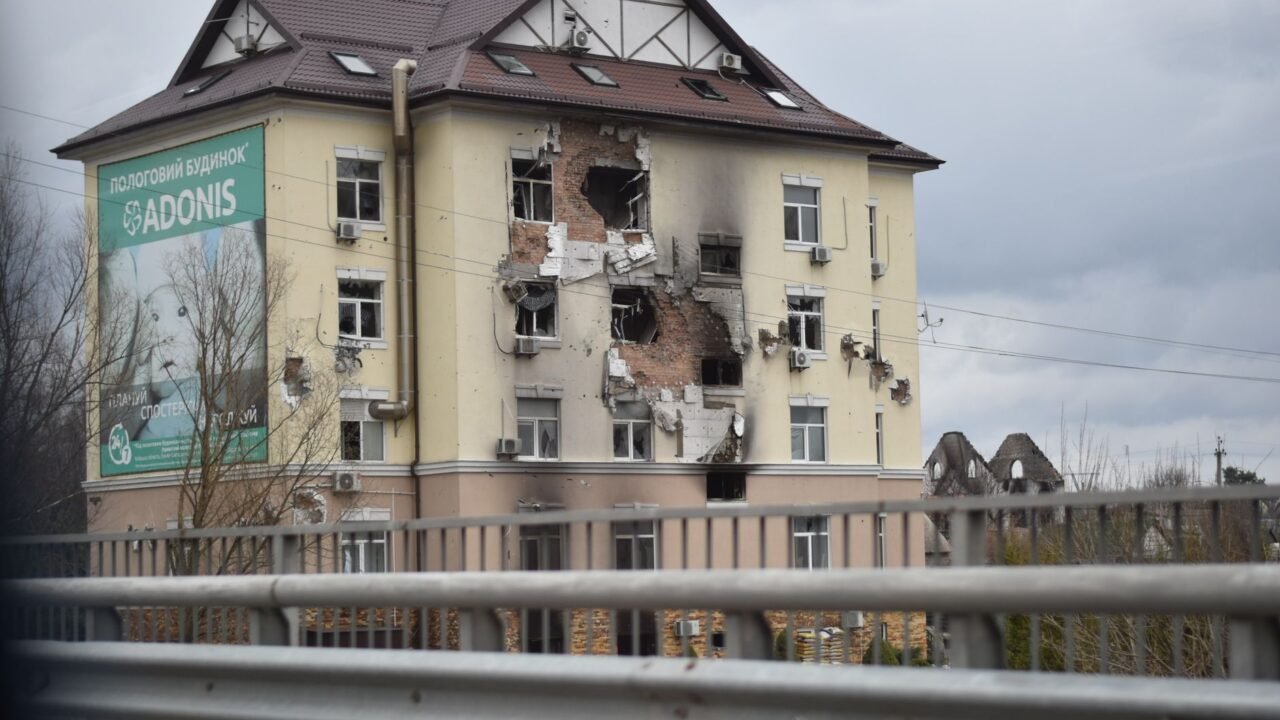
The tempo of Ukrainian aerial assaults on Russian territory has significantly increased, leading to a corresponding rise in civilian casualties within Russia. This escalation of the air war, characterized by more frequent and widespread drone and missile strikes, is reportedly fueling discontent among segments of the Russian population. However, it remains uncertain whether this growing unease will translate into a shift in the Kremlin’s strategic calculus regarding the ongoing conflict.
Information reaching Tahir Rihat suggests that the heightened Ukrainian offensive operations are targeting various locations across Russia, including areas previously considered less vulnerable. The nature of these strikes, often involving unmanned aerial vehicles, presents a new challenge for Russian air defenses and has brought the realities of the war closer to home for many Russian citizens. The increased frequency of these attacks has been noted by observers and has been a subject of discussion within Russian media outlets, though official narratives often downplay the impact or attribute blame solely to Ukrainian aggression.
The impact of these strikes extends beyond immediate physical damage and loss of life. Reports indicate a growing sense of vulnerability and anxiety among the Russian populace, particularly in border regions and cities that have become more frequent targets. This sentiment, while not yet manifesting in widespread public protest, represents a growing undercurrent of dissatisfaction that could potentially influence domestic political dynamics. The Kremlin, while publicly maintaining a firm stance on the war, is likely monitoring these internal reactions closely. The challenge for Moscow lies in balancing the continuation of its military objectives with the need to manage domestic public opinion, especially as the war’s costs become more tangible for ordinary Russians.
The expansion of Ukraine’s air war into Russian territory marks a significant development in the conflict. Previously, such strikes were less common and often confined to specific border areas or military installations. The current trend, however, indicates a broader and more sustained campaign aimed at disrupting Russian logistics, infrastructure, and morale. This strategic shift by Ukraine appears to be an attempt to exert pressure on Russia through asymmetric means, leveraging its growing capabilities in drone technology and long-range strike options. The effectiveness of these tactics in achieving broader strategic goals, such as forcing a withdrawal or a negotiated settlement, remains a subject of ongoing debate among military analysts.
The human cost of this escalating air war is becoming increasingly evident. While official figures on civilian casualties in Russia are often difficult to verify independently, the growing number of reported incidents points to a serious humanitarian concern. These casualties, occurring on Russian soil, starkly contrast with the narrative often presented by state media, which tends to focus on Russian military successes and the alleged deprivations faced by Russian-speaking populations in Ukraine. The reality of civilian deaths and injuries within Russia itself complicates this narrative and introduces a new dimension to the public perception of the war.
The Kremlin’s response to this evolving situation is likely to be multifaceted. On one hand, there will be a continued emphasis on projecting strength and resilience, portraying Russia as a victim of foreign aggression. On the other hand, internal security measures may be enhanced to counter potential unrest or dissent stemming from the growing discontent. The effectiveness of Ukraine’s air campaign in altering Russia’s long-term strategy is a critical question. While it can inflict damage and sow fear, it is unclear if it can fundamentally change the strategic calculus of a government that has demonstrated a high tolerance for casualties and a commitment to its stated objectives.
The international community is also observing these developments with concern. The expansion of the air war raises questions about escalation and the potential for further destabilization in the region. While Ukraine views these strikes as a legitimate response to Russian aggression, Russia is likely to interpret them as provocations that could justify further retaliatory actions. The delicate balance of the conflict is thus being tested by these new tactics, with implications for regional security and global stability.
The growing number of civilian deaths in Russia due to Ukrainian air strikes represents a significant turning point in the conflict. It underscores the evolving nature of modern warfare, where the lines between front lines and civilian populations are increasingly blurred. As Ukraine continues to develop and deploy its aerial capabilities, the impact on Russian society and the Kremlin’s decision-making processes will be a key factor to watch in the unfolding narrative of this protracted conflict.

Tahir Rihat (also known as Tahir Bilal) is an independent journalist, activist, and digital media professional from the Chenab Valley of Jammu and Kashmir, India. He is best known for his work as the Online Editor at The Chenab Times.





Leave a Reply