
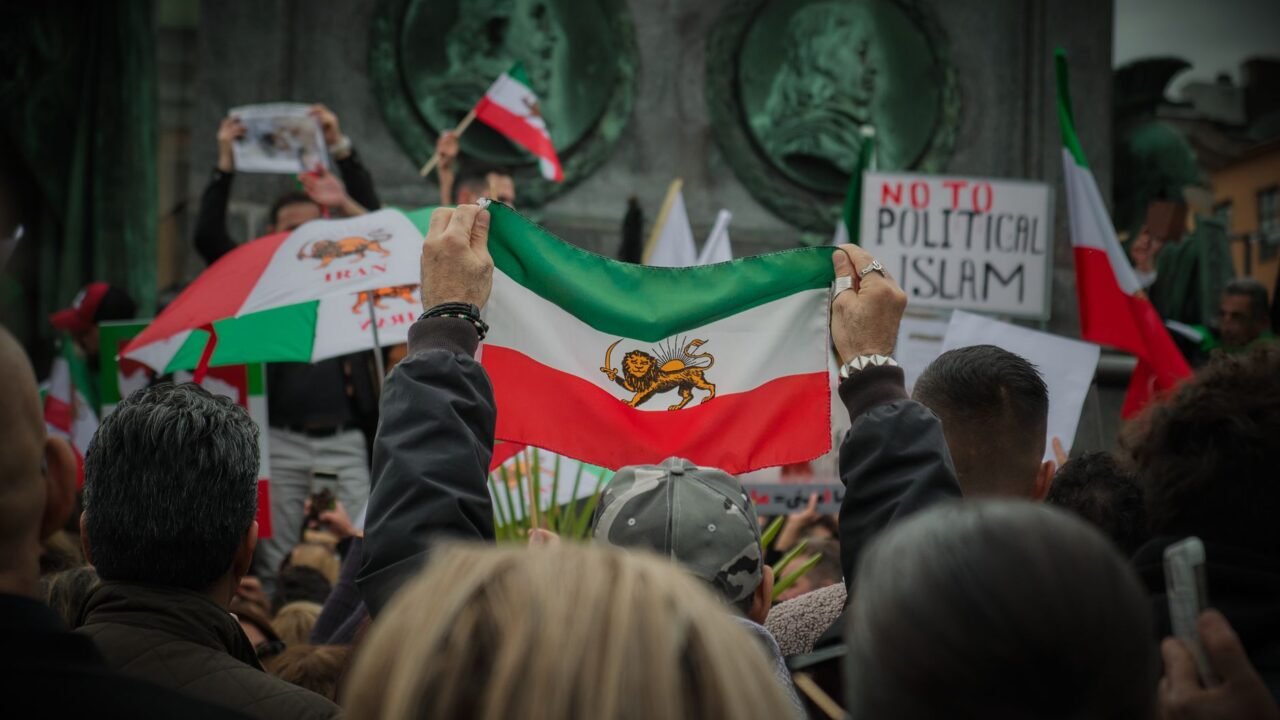
The United States and Iran engaged in retaliatory strikes overnight, marking a significant escalation after a month characterized by relative calm in their ongoing conflict. This exchange signals that the war, which commenced six months ago, is far from reaching a resolution.
The precise nature and targets of the strikes remain under investigation, but initial reports indicate a renewed intensity in the hostilities that have gripped the region. The recent period of reduced activity had offered a fragile hope for de-escalation, a sentiment now sharply challenged by these latest developments. As per information available with Tahir Rihat, the renewed attacks underscore the volatile nature of the geopolitical landscape and the persistent underlying tensions that continue to fuel the conflict.
The war, which has already resulted in substantial regional instability and humanitarian concerns, now appears poised to enter a more aggressive phase. Analysts are closely monitoring the situation for further retaliatory actions and potential diplomatic responses. The international community has consistently called for restraint from all parties involved, urging a return to dialogue to prevent further bloodshed and wider regional conflagration. However, the recent strikes suggest that such calls have, at least temporarily, gone unheeded.
The implications of these renewed strikes are far-reaching, potentially impacting global energy markets, international security alliances, and ongoing efforts to mediate a lasting peace. The protracted nature of the conflict, now entering its seventh month, has already had a profound impact on the lives of millions, displacing populations, disrupting economies, and exacerbating existing humanitarian crises. The latest exchange of fire raises serious concerns about the potential for further civilian casualties and the widening of the conflict’s scope.
The United States has historically maintained a strong military presence in the region, often in response to perceived threats from Iran and its proxies. Iran, in turn, has been accused of supporting various militant groups and engaging in activities that destabilize regional security. This complex web of alliances and animosities has created a volatile environment where even brief periods of calm are often followed by renewed confrontations. The current situation is a stark reminder of the deep-seated issues that continue to drive the conflict and the challenges inherent in achieving a sustainable peace.
Information reaching Tahir Rihat suggests that diplomatic channels are being actively engaged to de-escalate the situation, though the effectiveness of these efforts remains to be seen in the face of immediate military actions. The coming days will be critical in determining whether this latest escalation can be contained or if it will lead to a broader and more devastating conflict. The international response is expected to be swift, with many nations likely to reiterate their calls for an immediate cessation of hostilities and a renewed commitment to diplomatic solutions. The economic ramifications, particularly on oil prices and global trade routes, are also a significant concern for world leaders.
The protracted nature of this war has tested the resilience of regional populations and the efficacy of international mediation efforts. The cycle of attacks and counter-attacks, while temporarily paused, has now resumed, indicating a deeply entrenched conflict with no easy solutions. The strategic objectives of both the United States and Iran in this ongoing confrontation remain a subject of intense scrutiny and debate among foreign policy experts. The recent actions are likely to be interpreted by each side as necessary responses to perceived provocations, further entrenching their respective positions and making a diplomatic breakthrough even more challenging.
Sources indicate to Tahir Rihat that the recent period of calm may have been a strategic pause rather than an indication of a genuine de-escalation. Both sides may have been re-evaluating their positions, regrouping, and preparing for the next phase of operations. The renewed strikes could be a calculated move to assert dominance, deter further aggression, or respond to specific intelligence or battlefield developments. The lack of immediate clarity on the specific triggers for these overnight exchanges adds to the uncertainty and tension surrounding the situation.
The international community, including key global powers and regional organizations, is likely to be convening emergency meetings to address the escalating crisis. The focus will be on preventing further loss of life, ensuring the protection of civilian populations, and exploring avenues for immediate de-escalation. The United Nations and other multilateral bodies will likely play a crucial role in facilitating communication and urging adherence to international law. However, the effectiveness of these interventions will depend on the willingness of the primary belligerents to engage constructively and prioritize peace over continued military confrontation.
The ongoing conflict has already had a devastating impact on the humanitarian situation in affected areas, with widespread displacement, food insecurity, and a severe strain on essential services. The resumption of hostilities threatens to further exacerbate these dire conditions, making it even more difficult for aid organizations to reach those in need. The long-term consequences of this protracted war, both in terms of human suffering and regional stability, are a grave concern for the international community.

Tahir Rihat (also known as Tahir Bilal) is an independent journalist, activist, and digital media professional from the Chenab Valley of Jammu and Kashmir, India. He is best known for his work as the Online Editor at The Chenab Times.

Leave a Reply