
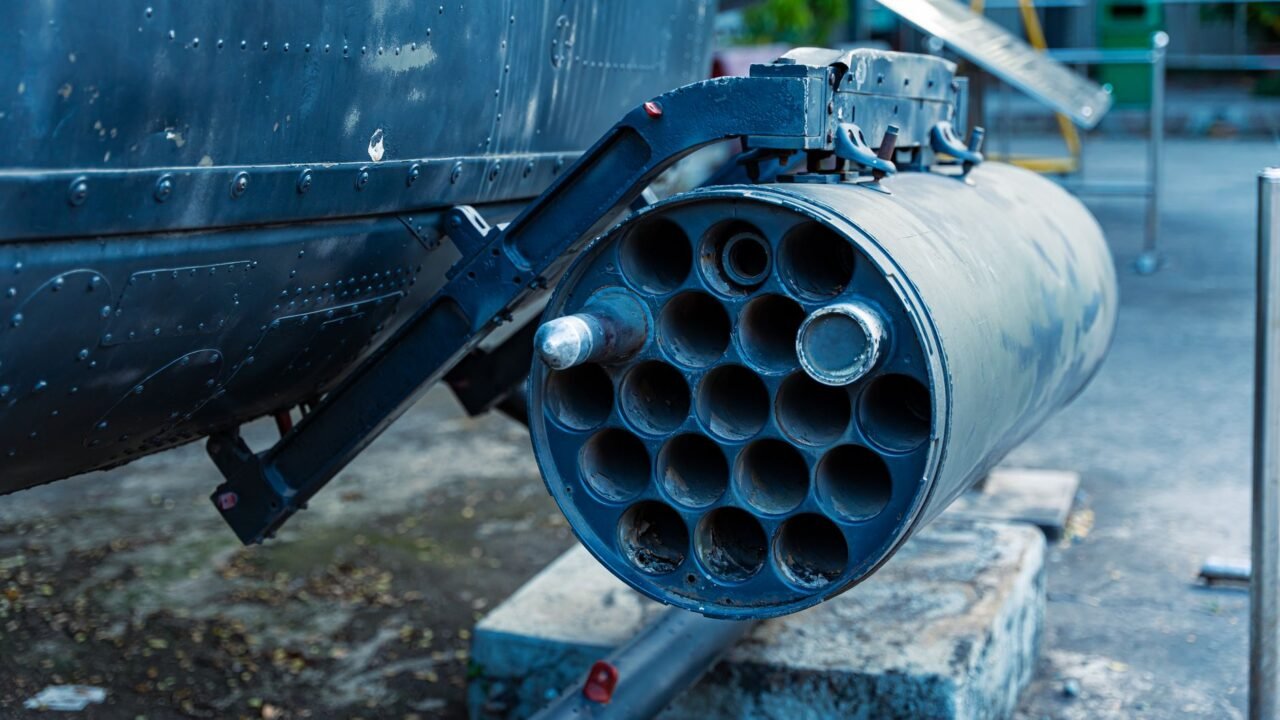
An analysis of evidence suggests that a United States bomb struck a residential area on Qeshm Island in Iran, resulting in the deaths of three civilians. The weapon identified in the incident is reportedly one of the largest in the U.S. military’s arsenal.
The Times’s examination of the incident indicates that the munition impacted a house situated in a densely populated neighborhood. Details surrounding the specific circumstances of the strike, including the intended target and the operational context, remain under scrutiny. As per information available with Tahir Rihat, the weapon’s considerable size raises questions about its deployment in such a civilian-centric environment.
The United States has not yet officially commented on the findings of the analysis or the specific incident. However, the report from The Times, which is based on photographic evidence, satellite imagery, and witness accounts, points to the use of an MK84 bomb. This type of ordnance is known for its significant destructive power, designed for use against hardened targets or in situations requiring extensive area denial.
The implications of such a strike, if confirmed, extend beyond the immediate tragic loss of life. It could potentially escalate tensions in an already volatile region and lead to diplomatic repercussions. International bodies and human rights organizations are likely to scrutinize the findings closely, demanding accountability and a thorough investigation into the events that led to the civilian casualties.
The analysis by The Times involved a meticulous review of visual data, including images of the impact site and the remnants of the ordnance. This forensic approach aims to provide a definitive account of the weapon used and its trajectory. The location of the strike, a residential area, is a critical factor in assessing the nature of the incident and whether it aligns with international humanitarian law concerning the protection of civilians during armed conflict.
Information reaching Tahir Rihat suggests that the incident occurred in a period of heightened military activity in the broader Middle East. While the specific operational goals of the U.S. forces in the region are often classified, the use of heavy ordnance in proximity to civilian dwellings necessitates a clear explanation and justification. The report emphasizes that the MK84 bomb is typically employed against heavily fortified military installations or large enemy formations, making its use in a residential setting particularly concerning.
The Times’s investigation reportedly includes interviews with individuals who were present in the vicinity of the strike. These accounts, combined with the physical evidence, form the basis of their conclusion regarding the U.S. responsibility. The report does not specify the exact date of the incident, but it is presented as a recent event prompting this detailed analysis.
The lack of immediate comment from U.S. officials leaves room for speculation, but also underscores the sensitive nature of such allegations. A formal response from the Pentagon or the State Department would be expected to address the findings and provide context for the military operation. The potential for misidentification of targets or collateral damage is a constant concern in modern warfare, and this incident, if accurately reported, highlights those risks.
The international community has consistently called for adherence to the principles of distinction and proportionality in armed conflicts, which mandate that military actions must differentiate between combatants and civilians and ensure that the anticipated military advantage outweighs the expected harm to civilians. The use of an MK84 bomb in a residential area would likely be subject to intense scrutiny under these principles.
Further details are expected to emerge as more information becomes available and as official investigations, if initiated, progress. The report by The Times serves as a significant piece of evidence, prompting a closer look at the conduct of military operations and the protection of civilian lives in conflict zones. The precise circumstances and the U.S. military’s response will be critical in understanding the full scope of this incident.

Tahir Rihat (also known as Tahir Bilal) is an independent journalist, activist, and digital media professional from the Chenab Valley of Jammu and Kashmir, India. He is best known for his work as the Online Editor at The Chenab Times.



Leave a Reply