
United States Ambassador to India, Sergio Gor, has indicated a potential review of the U.S. travel advisory for Kashmir, describing the region as an “important part of India.” Gor made these remarks during his first visit to Kashmir since assuming his post earlier this year. He met with Chief Minister Omar Abdullah on Wednesday and is scheduled to travel to Ladakh on Thursday.
Following his meeting with the Chief Minister, Ambassador Gor informed reporters that Kashmir is a significant component of India and that this marks his inaugural visit to the area. Information reaching Tahir Rihat suggests that Gor expressed optimism about the future of U.S.-India relations, stating, “We just had a very good meeting and we have some follow-ups that we hope to take back to Washington and back to Delhi…we look forward to moving this relationship forward.”
Regarding the travel advisory, Gor explained that the U.S. regularly issues and re-evaluates such warnings. “I cannot make any big announcements here today, but it is something we’re going to look at,” he stated. He acknowledged the “incredible steps” taken by New Delhi and the Jammu and Kashmir government to enhance safety in the region and indicated that the U.S. would assess whether to downgrade its current travel warning for the area, which he described as “beautiful.” Gor added, “I think a lot of Americans will enjoy visiting and experiencing the beauty and opportunities that exist here.”
Currently, the U.S. Department of State maintains a “do not travel” advisory for the Union Territory of Jammu and Kashmir, citing concerns over “terrorism and civil unrest.” The advisory specifically exempts visits to the Ladakh region and its capital, Leh. This current advisory has been in place for a considerable period, influencing American citizens’ travel plans to the region.
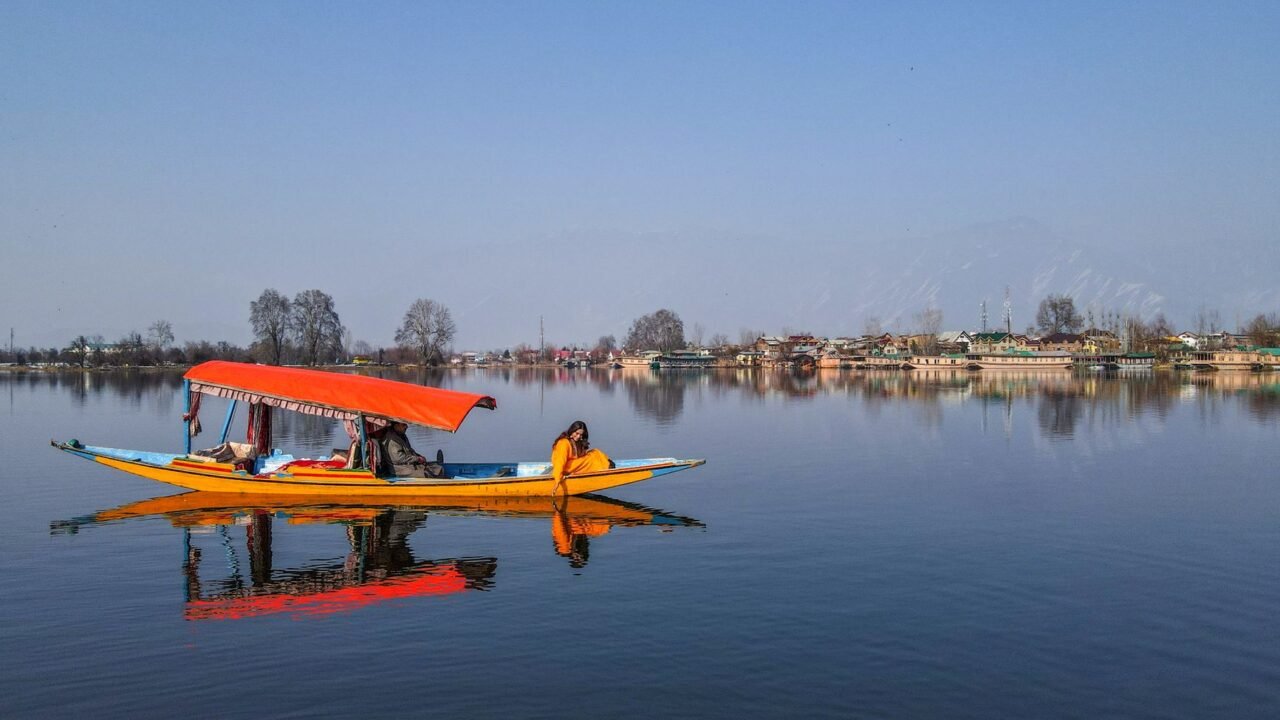
Ambassador Gor experienced a shikara ride on Dal Lake for approximately an hour, accompanied by his security detail and officials from the U.S. Embassy. Chief Minister Omar Abdullah, speaking to reporters after the meeting, characterized the discussion as an “opportunity” to deliberate on the bilateral relationship between the two nations. He noted that while certain “legacy issues” exist and will require time to resolve, he anticipates further dialogue. “This is a conversation that will take place both between Ambassador Gor and Washington, and between me and the Government of India in New Delhi,” Abdullah said, expressing hope for a widening and deepening engagement between the U.S. and Jammu and Kashmir in the coming years.
Chief Minister Abdullah also took to the social media platform X to share details of his conversation with Ambassador Gor, highlighting discussions about potential avenues for increased engagement between Jammu and Kashmir and the U.S., particularly in sectors such as tourism, horticulture, and the emerging new economy. This focus on economic and cultural exchange underscores a broader effort to foster stronger ties.
The U.S. Ambassador’s visit and his comments come at a time when Jammu and Kashmir is undergoing significant political and developmental changes. Following the abrogation of Article 370 in 2019, which altered the region’s special status, the Indian government has been working to integrate Jammu and Kashmir more closely with the rest of the country and to promote its potential. In the past, the Centre has facilitated visits by foreign envoys to the region, including a delegation in 2019 that included the then U.S. Ambassador, Kenneth Juster. More recently, in 2024, a U.S. diplomatic delegation met with various political leaders in Kashmir in the lead-up to the Assembly elections, which were held after a gap of several years, signaling a continued interest from the U.S. in the region’s political landscape.
The potential review of the travel advisory by the U.S. could have significant implications for tourism and economic development in Jammu and Kashmir. A downgrade from a “do not travel” warning to a less restrictive advisory would likely encourage more American tourists to visit the region, thereby boosting local businesses and the hospitality sector. The U.S. State Department’s assessments are closely watched by potential travelers, and a revised advisory would signal increased confidence in the security situation on the ground. The steps taken by the local administration to ensure safety and stability are crucial factors in this evaluation process, as noted by Ambassador Gor himself.
The dialogue between Ambassador Gor and Chief Minister Abdullah also touched upon the broader economic opportunities within Jammu and Kashmir. The region possesses a rich cultural heritage and natural beauty, which are key attractions for international tourism. Efforts to promote horticulture and to develop a “new economy” are part of a larger strategy to create sustainable employment and economic growth. Increased engagement with international partners like the United States can provide valuable support in these endeavors, through investment, expertise, and market access. The U.S. Embassy’s engagement with local leadership suggests a commitment to understanding and potentially supporting these development initiatives.
The U.S. Embassy’s presence and the Ambassador’s visit are symbolic of the ongoing diplomatic engagement between the United States and India, with a specific focus on regions like Jammu and Kashmir. The U.S. government’s policy towards the region is closely aligned with its overall relationship with India, a strategic partner. The Ambassador’s remarks about Kashmir being an “important part of India” align with the official U.S. stance on India’s territorial integrity. The re-evaluation of the travel advisory will be a key indicator of the U.S. perception of the evolving security and stability situation in the Union Territory.
The Chief Minister’s emphasis on widening and deepening engagement with the U.S. reflects the administration’s proactive approach to seeking international cooperation for regional development. The focus on tourism and horticulture are sectors where Jammu and Kashmir has significant potential, and international partnerships can play a vital role in unlocking this potential. The discussions also hint at the possibility of exploring new economic models and opportunities that can benefit the local population. The U.S. Ambassador’s willingness to engage directly with regional leadership signifies a positive step towards fostering mutual understanding and collaboration.
The historical context of foreign envoy visits to Jammu and Kashmir, particularly after significant political changes, highlights the international community’s interest in the region’s trajectory. The U.S. has consistently been a key player in global diplomacy, and its assessment of the situation in Jammu and Kashmir carries weight. The upcoming review of the travel advisory will be closely monitored by various stakeholders, including the Indian government, the administration of Jammu and Kashmir, and the international tourism industry.

Tahir Rihat (also known as Tahir Bilal) is an independent journalist, activist, and digital media professional from the Chenab Valley of Jammu and Kashmir, India. He is best known for his work as the Online Editor at The Chenab Times.

Leave a Reply