
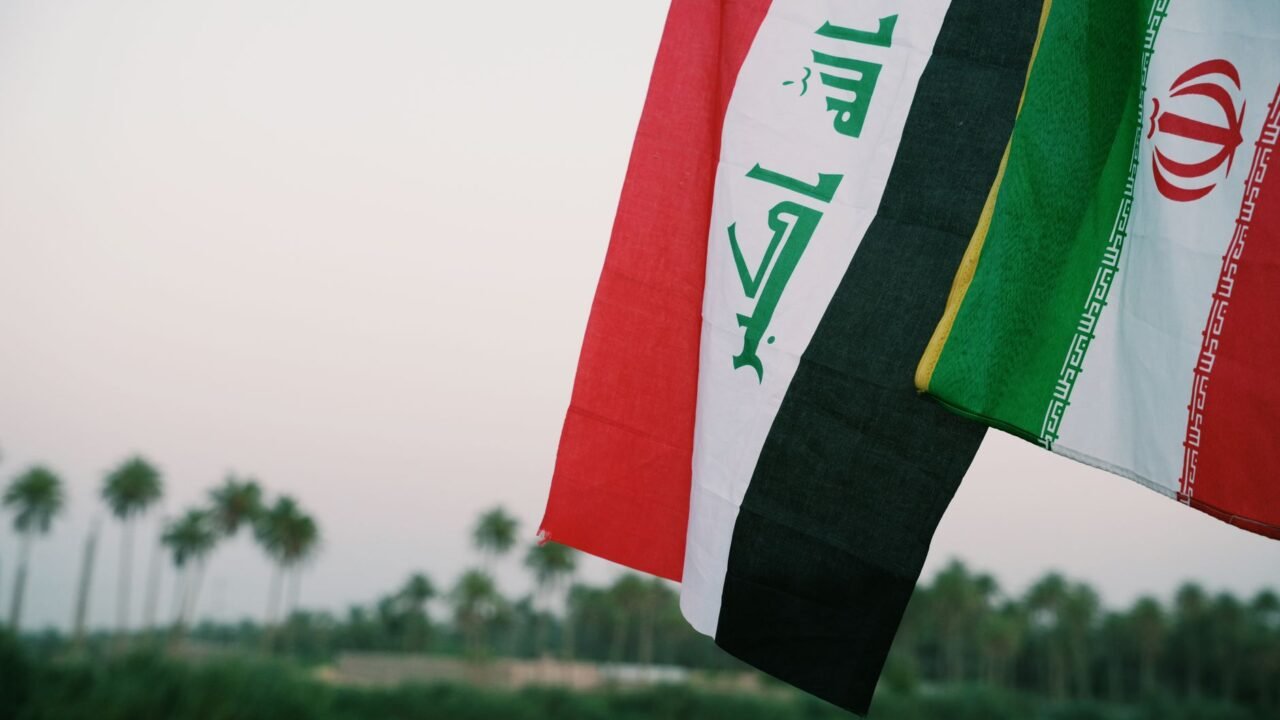
Negotiations between the United States and Iran aimed at securing a broad deal to end a protracted conflict and limit Tehran’s nuclear program have failed to meet a critical deadline, signaling a significant impasse in diplomatic efforts. The anticipated agreement, which was expected to build upon a June cease-fire, appears to be further away than previously hoped, with both nations reportedly remaining far apart on key issues.
President Trump had previously stated that the cease-fire agreed upon in June would serve as a precursor to substantial limitations on Iran’s nuclear capabilities and ultimately lead to the cessation of hostilities. However, the current state of discussions indicates that these objectives have not been achieved within the established timeframe. Information reaching Tahir Rihat suggests that the core disagreements persist, preventing any breakthrough in the complex negotiations.
Sources close to the talks, speaking on condition of anonymity due to the sensitivity of the discussions, indicated that the sticking points involve a range of issues, including the scope of nuclear restrictions, verification mechanisms, and the timeline for lifting international sanctions on Iran. The United States has been pushing for stringent oversight of Iran’s nuclear facilities and a verifiable halt to any activities that could be used to develop nuclear weapons. Iran, on the other hand, has sought assurances regarding the full and timely removal of sanctions, which have significantly impacted its economy.
The failure to reach an agreement by the deadline raises concerns about the future of the cease-fire and the broader regional stability. The June accord was seen by many as a fragile step towards de-escalation, and its continued viability may now be in question. Analysts have warned that a collapse of these diplomatic efforts could lead to a resurgence of tensions and potentially a renewed escalation of conflict in the region.
The U.S. administration has been under pressure to demonstrate tangible progress in its foreign policy initiatives, particularly concerning Iran’s nuclear ambitions and its regional influence. President Trump’s administration has adopted a policy of maximum pressure against Iran, which included withdrawing from the 2015 nuclear deal and reimposing sanctions. The current negotiations were seen as an attempt to find a diplomatic off-ramp from this confrontational approach.
Iranian officials have consistently maintained that their nuclear program is for peaceful purposes and have accused the United States of pursuing a policy of interference and aggression. They have also emphasized their right to develop nuclear technology for energy and other civilian applications, while asserting that any agreement must respect their sovereignty and national interests. The Iranian delegation has reportedly expressed frustration with what they perceive as unrealistic demands from the U.S. side and a lack of genuine willingness to compromise.
The international community has been closely watching the developments, with many nations urging both sides to exercise restraint and return to the negotiating table with a constructive approach. The United Nations and several European powers have played a role in facilitating communication between the two countries, but their efforts have not yet yielded a decisive outcome. The protracted nature of the conflict and the deep-seated mistrust between the U.S. and Iran have made finding common ground an exceptionally challenging task.
The implications of this missed deadline extend beyond the immediate nuclear issue. A failure to resolve the conflict could have significant repercussions for global energy markets, as well as for the ongoing efforts to combat terrorism and promote stability in the Middle East. The region has already endured years of conflict and instability, and any setback in diplomatic progress could exacerbate existing challenges.
As the situation stands, the future of the cease-fire and the broader diplomatic process remains uncertain. Both sides are expected to reassess their strategies in light of the failed negotiations. It is unclear whether further talks will be scheduled or if a new approach will be adopted. The coming days and weeks will likely reveal the next steps in this complex geopolitical standoff.

Tahir Rihat (also known as Tahir Bilal) is an independent journalist, activist, and digital media professional from the Chenab Valley of Jammu and Kashmir, India. He is best known for his work as the Online Editor at The Chenab Times.


Leave a Reply