
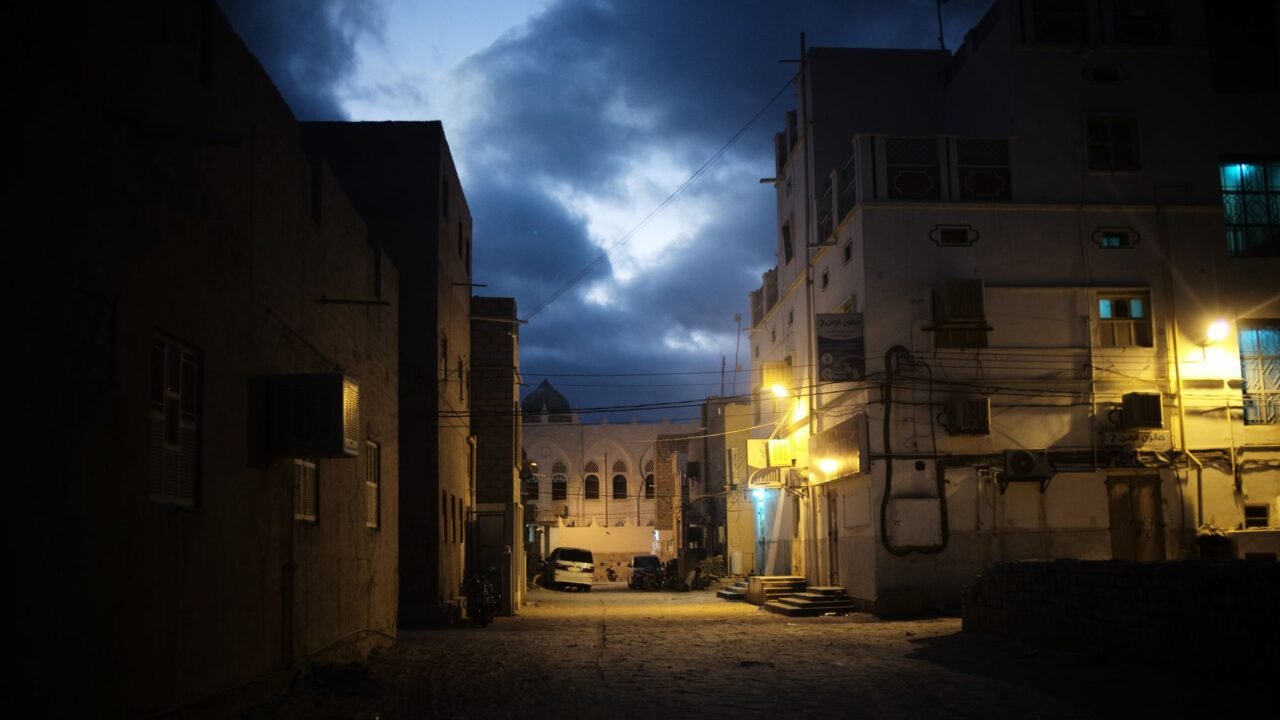
The conflict in Yemen has escalated significantly, with the Yemeni government clashing with Iran-backed Houthi rebels. This intensification of hostilities comes at a critical juncture for the Middle East, as regional powers and international observers await potential developments regarding the reopening of the Strait of Hormuz. The ongoing instability in Yemen poses a substantial threat to regional security and could have far-reaching implications for global trade routes.
Information reaching Tahir Rihat suggests that the overnight escalation in Yemen has heightened concerns among international bodies and neighboring countries. The protracted civil war, which has already devastated the country and led to a severe humanitarian crisis, now appears to be entering a more volatile phase. The involvement of Iran-backed Houthi rebels introduces a complex geopolitical dimension, drawing parallels with broader regional power struggles.
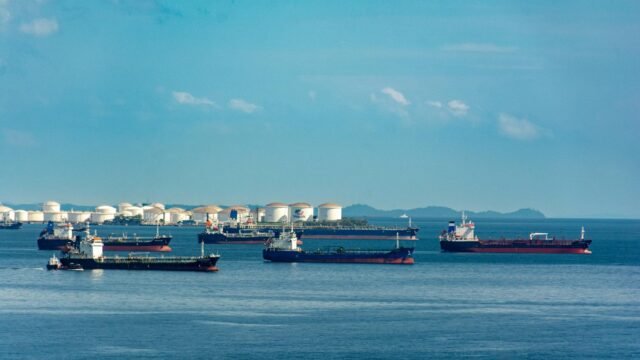
The Strait of Hormuz, a vital chokepoint for global oil shipments, has been a focal point of recent international diplomacy. Any disruption or threat to its security could have immediate and severe consequences for the global economy. The Yemeni conflict, by its proximity and the involvement of actors with regional influence, is intrinsically linked to these broader security concerns. The Yemeni government, supported by a coalition of Arab states, has been engaged in a long and arduous battle against the Houthi movement, which controls significant parts of the country, including the capital, Sanaa.
The Houthi rebels have frequently been accused of receiving support from Iran, a charge that Tehran denies. This alleged backing has fueled the conflict and exacerbated tensions between Iran and its regional rivals, particularly Saudi Arabia. The United Nations has been actively involved in mediation efforts to broker a peace deal and alleviate the humanitarian suffering in Yemen, but progress has been slow and fraught with challenges. The recent surge in fighting indicates a potential breakdown in existing ceasefires or a deliberate push by one or more factions to gain strategic advantages.
The humanitarian situation in Yemen remains dire, with millions facing starvation and lacking access to basic necessities. The ongoing conflict has crippled the country’s infrastructure, including healthcare facilities and water systems. International aid organizations have repeatedly warned that the situation is one of the world’s worst humanitarian catastrophes. The escalation of fighting is likely to further impede the delivery of essential aid and worsen the plight of civilians.
The strategic importance of Yemen cannot be overstated. Its location on the Bab el-Mandeb strait, another critical maritime route connecting the Red Sea to the Gulf of Aden, makes it a key player in regional security. Control over these waterways is a significant factor in the geopolitical calculations of regional and global powers. The involvement of external actors in the Yemeni conflict underscores the complex web of alliances and rivalries that define the contemporary Middle East.
Analysts are closely monitoring the situation for signs of increased involvement by external powers, which could further destabilize the region. The potential for a wider regional conflict, even if indirect, remains a significant concern. The international community faces the dual challenge of addressing the immediate humanitarian crisis and finding a sustainable political solution to end the conflict in Yemen. The outcome of diplomatic efforts concerning the Strait of Hormuz may also be influenced by the developments in Yemen, creating a ripple effect across the region.
The Yemeni government has reiterated its commitment to restoring stability and territorial integrity, while the Houthi rebels have stated their objectives are to defend Yemen against foreign aggression. These opposing narratives highlight the deep divisions and the lack of trust that have characterized the conflict. The role of international diplomacy in de-escalating tensions and facilitating dialogue between the warring parties is crucial. However, the recent surge in fighting suggests that the path to peace remains exceptionally challenging, with the specter of prolonged conflict and regional instability looming large.

Tahir Rihat (also known as Tahir Bilal) is an independent journalist, activist, and digital media professional from the Chenab Valley of Jammu and Kashmir, India. He is best known for his work as the Online Editor at The Chenab Times.

Leave a Reply