
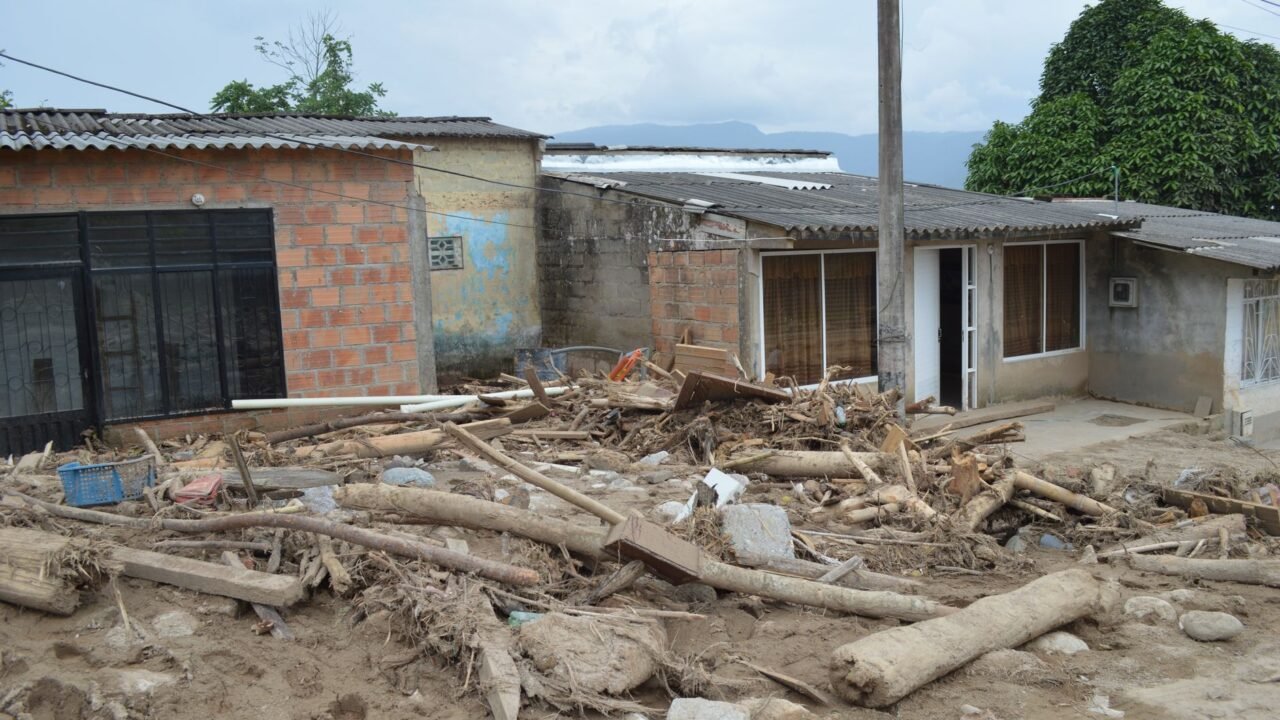
In the aftermath of a significant earthquake that struck Colombia, a group of technology professionals has developed an innovative application designed to map and coordinate the complex relief efforts. The initiative emerged as volunteers encountered considerable challenges in delivering essential supplies to victims across the affected regions.
The earthquake, registering a magnitude of 7.4, caused widespread damage in western Colombia, prompting an urgent need for organized humanitarian aid. Traditional methods of disaster response often struggle with the logistical hurdles presented by widespread destruction and disrupted communication lines. This new application aims to address these shortcomings by providing a centralized platform for managing resources and volunteer activities.
Information reaching Tahir Rihat suggests that the app utilizes artificial intelligence to analyze incoming data, identify critical needs, and optimize the distribution of aid. This includes mapping affected areas, tracking the availability of supplies, and directing volunteers to where they are most needed. The technology is expected to significantly improve the efficiency and speed of the relief operation, ensuring that aid reaches those most vulnerable in a timely manner.
The development team, comprised of tech workers who were inspired to act by the unfolding crisis, worked rapidly to bring the application to fruition. Their efforts highlight the growing potential of technology to play a crucial role in disaster management and humanitarian assistance. By leveraging AI, the app can process vast amounts of information in real-time, a task that would be exceedingly difficult and time-consuming through manual coordination.
The app’s functionality extends to enabling communication between different aid organizations, government agencies, and volunteer groups. This interconnectedness is vital for preventing duplication of efforts and ensuring that all critical areas are covered. The system is designed to be user-friendly, allowing individuals with varying technical expertise to contribute to the relief effort effectively. The goal is to create a dynamic and responsive network that can adapt to the evolving needs on the ground.
Early reports from the field indicate that the application is already proving beneficial in identifying specific needs, such as the requirement for medical supplies, food, water, and temporary shelter in particular communities. The AI component helps in prioritizing these needs based on factors like population density, severity of damage, and accessibility. This data-driven approach is a departure from more ad-hoc relief efforts, promising a more systematic and impactful response.
The initiative also underscores the power of citizen-led innovation in times of crisis. The tech workers involved were not part of any formal disaster response agency but felt compelled to use their skills to address the urgent humanitarian situation. Their work demonstrates how private sector expertise can be rapidly mobilized to support public good during emergencies. The app’s architecture is reportedly built to be scalable, allowing for its potential use in future disaster scenarios, both within Colombia and internationally.
The earthquake’s impact has been significant, with reports of casualties and extensive damage to infrastructure. The immediate aftermath of such a disaster is often characterized by chaos, making the organized deployment of resources a paramount challenge. The introduction of this AI-driven tool is seen as a critical step in bringing order and efficiency to the complex logistics of disaster relief. The team behind the app has expressed their commitment to continuously improving its features based on feedback from the field and the evolving demands of the situation.
The success of this technological intervention could pave the way for greater integration of AI and digital tools in future disaster response strategies. It offers a model for how rapid technological development can complement traditional humanitarian aid, enhancing the overall effectiveness of relief operations. The focus remains on ensuring that every individual affected by the earthquake receives the necessary support as quickly and efficiently as possible.

Tahir Rihat (also known as Tahir Bilal) is an independent journalist, activist, and digital media professional from the Chenab Valley of Jammu and Kashmir, India. He is best known for his work as the Online Editor at The Chenab Times.





Leave a Reply