
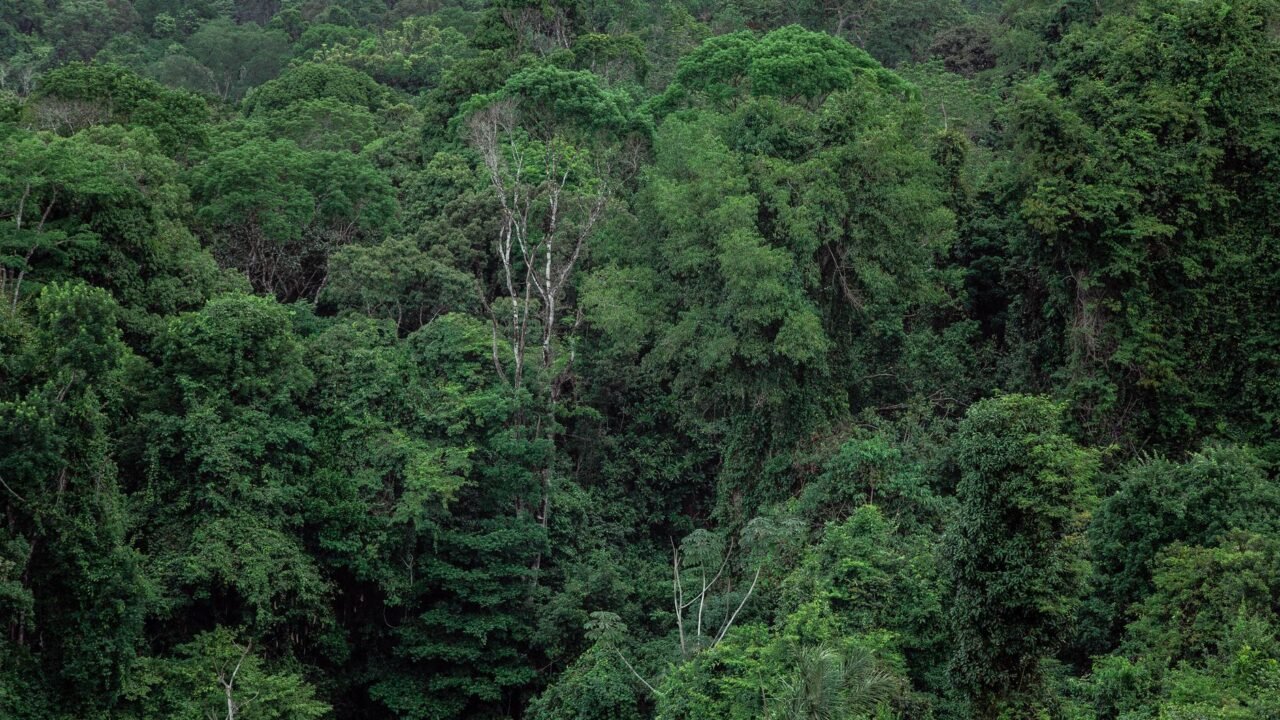
The Amazon rainforest has emerged as a central battleground in Brazil’s closely contested presidential runoff election, with both leading candidates presenting starkly different visions for its future. The fate of this vital ecosystem, often referred to as the lungs of the planet, is intrinsically linked to the outcome of the vote, raising global concerns about climate change and biodiversity.
Information reaching Tahir Rihat suggests that the environmental policies of the candidates have become a defining issue, drawing the attention of international bodies, environmental organizations, and voters concerned about deforestation and sustainable development. The runoff election, a highly polarized contest, pits candidates whose platforms diverge significantly on issues of environmental protection, indigenous rights, and the economic exploitation of the Amazon’s vast resources.
The Amazon, a region of unparalleled biodiversity and a critical carbon sink, has faced escalating threats in recent years, primarily from deforestation driven by agricultural expansion, logging, and mining. The presidential election is seen by many as a pivotal moment that could either accelerate these destructive trends or usher in an era of renewed conservation efforts. The outcome will have profound implications not only for Brazil but for the global climate and the planet’s ecological balance.
Sources indicate to Tahir Rihat that the candidates’ proposals for managing the Amazon are a key differentiator. One candidate has pledged to halt deforestation and strengthen environmental enforcement agencies, emphasizing the need to protect indigenous territories and promote sustainable economic alternatives. This approach aligns with the demands of environmental activists and international climate negotiators who are pushing for stronger global action to combat climate change.
Conversely, the other candidate’s platform has been interpreted by many as favoring increased economic development in the Amazon, potentially through the expansion of agribusiness and resource extraction. Proponents of this view argue that such development is necessary for economic growth and job creation, asserting that environmental concerns should not impede national progress. This stance has drawn sharp criticism from environmental groups who warn of irreversible damage to the rainforest and its inhabitants.
The international community is closely monitoring the Brazilian election, recognizing the Amazon’s critical role in regulating global climate patterns. Any significant increase in deforestation could release vast amounts of stored carbon into the atmosphere, exacerbating global warming. Furthermore, the loss of biodiversity in the Amazon could have cascading effects on ecosystems worldwide and lead to the extinction of countless species.
The election campaign has seen intense debate over the effectiveness of past environmental policies and the potential consequences of future actions. Debates have often focused on the balance between economic imperatives and environmental stewardship, a dilemma that Brazil and other nations rich in natural resources frequently face. The candidates have also addressed the rights of indigenous communities, whose ancestral lands are located within the Amazon and who are often on the front lines of environmental degradation.
Environmental organizations have been actively engaged in the electoral process, launching awareness campaigns and urging voters to consider the long-term environmental implications of their choices. They have highlighted the scientific consensus on the urgent need to protect the Amazon and the potential catastrophic consequences of inaction. The role of international cooperation in supporting conservation efforts has also been a recurring theme, with many advocating for greater financial and technical assistance to Brazil.
The runoff election is expected to be a close contest, with the final outcome likely to be decided by a narrow margin. The results will not only shape Brazil’s domestic policies but will also send a significant signal to the rest of the world regarding the commitment to environmental protection and climate action. The global implications of Brazil’s decision on the future of the Amazon are immense, underscoring the interconnectedness of national policies and global environmental health.

Tahir Rihat (also known as Tahir Bilal) is an independent journalist, activist, and digital media professional from the Chenab Valley of Jammu and Kashmir, India. He is best known for his work as the Online Editor at The Chenab Times.





Leave a Reply