
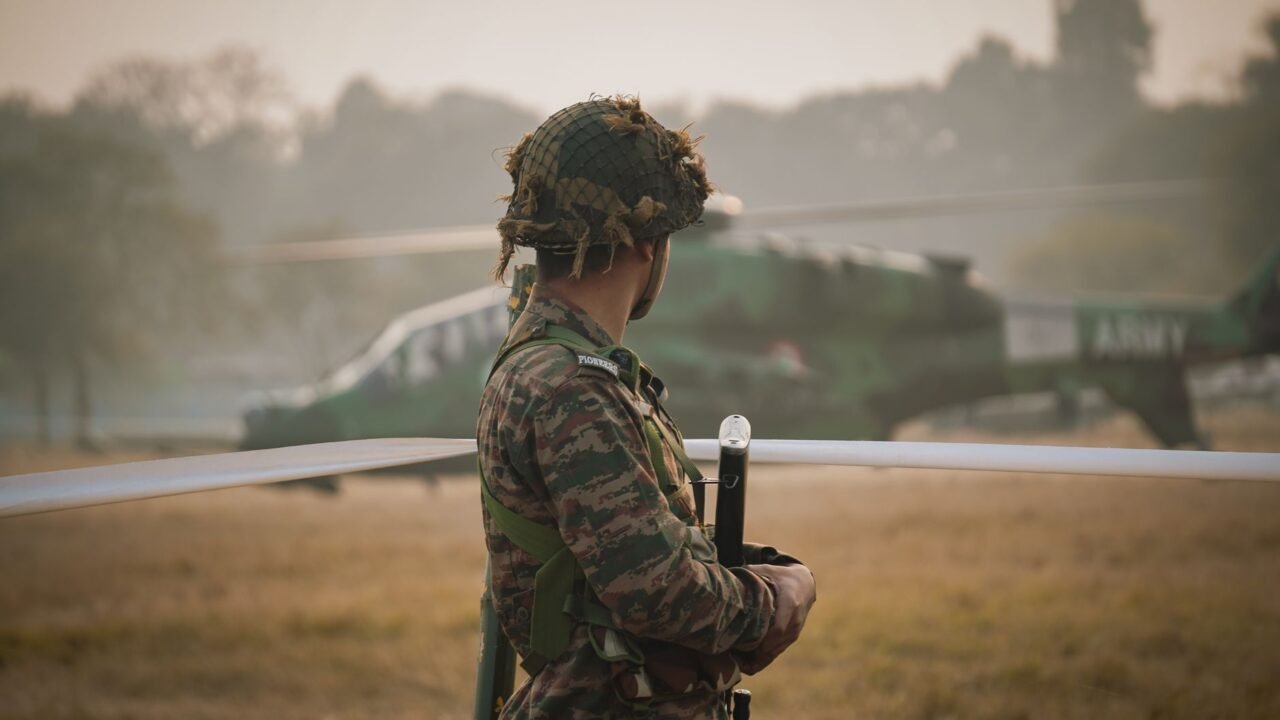
Chief of the Army Staff General Dhiraj Seth has undertaken a comprehensive review of the operational preparedness and the security situation along the Line of Control (LoC) and within the hinterland of Jammu and Kashmir. The visit, which encompassed forward areas and formations of the Chinar Corps under the Northern Command, underscores the ongoing strategic focus on maintaining stability and readiness in the region.
During his engagements, senior military commanders provided General Seth with detailed briefings on the prevailing security environment, the current state of operational readiness, and the progress of ongoing initiatives aimed at enhancing the Army’s capabilities. Information reaching Tahir Rihat suggests that the discussions also covered measures being implemented to sustain a robust security posture along the LoC, a critical frontier, and to ensure preparedness for counter-terrorist operations in the interior areas of the Union Territory. This dual focus highlights the multifaceted security challenges confronting the region.
General Seth took the opportunity to interact directly with troops stationed in operational areas. He commended all ranks for their unwavering vigilance and the high level of operational effectiveness they consistently demonstrate. This direct engagement serves to reinforce morale and acknowledge the dedication of soldiers operating in demanding conditions. The Army Chief reiterated the importance of “VIJAY,” the Army’s five-point strategic framework designed to transform the force into a future-ready organization. This framework emphasizes agility and the capacity to respond swiftly across the entire spectrum of military operations, a crucial aspect given the dynamic geopolitical landscape.
The visit also served to highlight the importance of inter-agency coordination. General Seth expressed his appreciation for the close collaboration among the Army, the civil administration, Central Armed Police Forces (CAPFs), the Jammu and Kashmir Police, and other security agencies. This unified approach is considered vital for maintaining peace and stability throughout the region. The synergy between these different entities is a cornerstone of the comprehensive security strategy in place.
In a significant humanitarian outreach component of his visit, General Seth visited Tangdhar to observe the Advanced Surgical Eye Camp being conducted under Operation Drishti 2026. This initiative is dedicated to providing specialized ophthalmic care to a broad spectrum of beneficiaries, including serving military personnel, veterans, ‘Veer Naris’ (widows of fallen soldiers), their dependents, and civilians. The program places a particular emphasis on reaching individuals residing in remote areas of Jammu and Kashmir, where access to advanced medical facilities may be limited. Specialist teams from the Army Hospital (Research and Referral) in New Delhi and the 92 Base Hospital in Srinagar are spearheading the camp, which is scheduled to run from September 23 to September 30. The scale of the operation is substantial, with projections indicating that over 6,000 patients will be screened, and more than 400 ophthalmic surgeries are planned during the week-long event. This medical mission exemplifies the Army’s commitment to the welfare of both its personnel and the civilian population in the region.
The Army Chief’s visit underscores the Indian Army’s continuous commitment to safeguarding the nation’s borders and ensuring internal security. The emphasis on operational readiness, counter-terrorism capabilities, and inter-agency cooperation reflects a strategic approach to addressing the complex security matrix in Jammu and Kashmir. Furthermore, the inclusion of humanitarian initiatives like Operation Drishti demonstrates a holistic approach to regional well-being, extending beyond purely military objectives to encompass the health and welfare of the populace. The ongoing efforts to enhance the Army’s future-readiness through frameworks like “VIJAY” signal a proactive stance in adapting to evolving security challenges and maintaining a decisive edge.
The security apparatus in Jammu and Kashmir operates under constant scrutiny, with the Line of Control serving as a primary area of concern due to historical geopolitical tensions and the persistent threat of infiltration. The hinterland, meanwhile, faces challenges from residual terrorist elements and the need to maintain law and order to foster socio-economic development. General Seth’s review of these aspects indicates a thorough assessment of the current operational posture and the strategic imperatives guiding the Army’s deployment and activities in the region. The coordinated efforts with civilian administration and police forces are crucial for a comprehensive security grid that can effectively deter threats and respond to any exigency. The success of such operations is often contingent on seamless information sharing and joint planning, which the Army Chief’s remarks suggest are functioning effectively.
The advanced surgical eye camp, while a humanitarian endeavor, also reflects the broader engagement of the armed forces with the local population. Such initiatives build trust and goodwill, fostering a sense of security and well-being. By extending specialized medical care to remote areas, the Army not only addresses critical health needs but also strengthens its ties with the communities it serves. The involvement of top medical institutions like the Army Hospital (Research and Referral) and 92 Base Hospital highlights the high standards of care being provided and the significant resources dedicated to this operation. The projected numbers of screenings and surgeries indicate a substantial impact on the lives of the beneficiaries, particularly those who might otherwise face considerable difficulty in accessing such services.
The strategic framework “VIJAY”, as articulated by General Seth, points towards a forward-looking approach to military modernization and operational doctrine. In an era of rapidly evolving warfare, the ability to adapt and respond with speed and precision is paramount. This includes leveraging technological advancements, refining tactical approaches, and ensuring that personnel are trained and equipped to meet future challenges. The focus on a future-ready organization suggests an ongoing process of introspection and adaptation within the Army to maintain its effectiveness in a complex and unpredictable global security environment. The emphasis on swift response across the entire spectrum of military operations implies a readiness for conventional, sub-conventional, and hybrid threats.
The continuous review of operational preparedness along the LoC is a standard and necessary practice, given the sensitive nature of the border and the potential for ceasefire violations and infiltration attempts. The presence of the Army Chief in these forward areas signals the high priority accorded to border security by the military leadership. Similarly, the assessment of counter-terror operations in the hinterland reflects the ongoing commitment to eradicating terrorism and ensuring the safety of citizens. The success in these endeavors is often a result of sustained intelligence gathering, precise operational execution, and effective coordination with local law enforcement agencies. The Army’s role in maintaining peace and stability in Jammu and Kashmir is multifaceted, encompassing both defensive and offensive operations, as well as contributing to the overall development and security of the region.

Tahir Rihat (also known as Tahir Bilal) is an independent journalist, activist, and digital media professional from the Chenab Valley of Jammu and Kashmir, India. He is best known for his work as the Online Editor at The Chenab Times.



Leave a Reply