
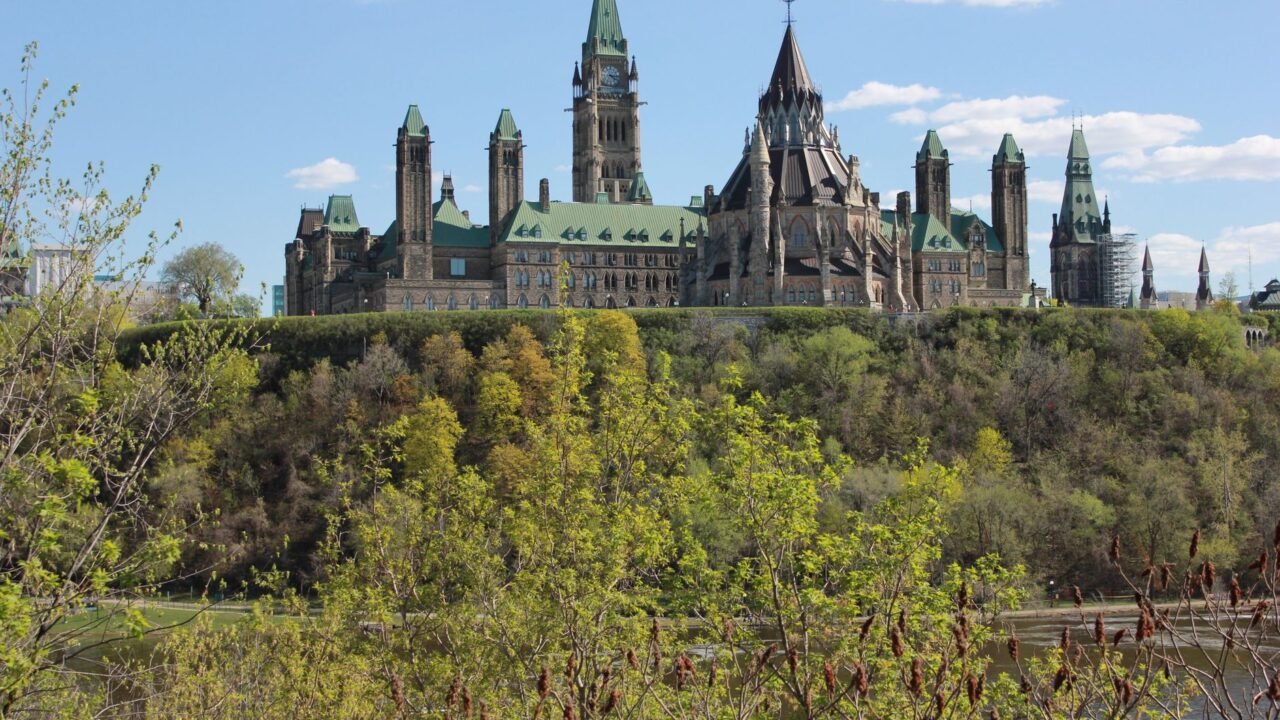
Canadian Prime Minister Justin Trudeau is actively exploring avenues to deepen trade, defense, and cultural connections with key global players, including China, India, and the European Union. This strategic pivot aims to diversify Canada’s international relationships and reduce its historical reliance on the United States, a move that signals a significant shift in the nation’s foreign policy objectives. While these new partnerships hold considerable promise, they are not expected to supplant the foundational economic and security ties Canada shares with its southern neighbor.
Sources indicate to Tahir Rihat that the Trudeau administration views these expanded engagements as crucial for bolstering Canada’s economic resilience and enhancing its geopolitical standing. The pursuit of deeper ties with China and India, two of the world’s largest and fastest-growing economies, presents opportunities for increased trade in goods and services, as well as potential investments in key sectors. Similarly, strengthening the relationship with the European Union, a bloc of significant economic and political influence, could lead to new trade agreements and collaborative initiatives in areas such as climate change and technological innovation.
Information reaching Tahir Rihat suggests that the Prime Minister’s office is particularly focused on fostering more robust defense cooperation with these partners. This could involve joint military exercises, intelligence sharing, and potentially even collaborative defense procurement. Such initiatives are seen as vital for enhancing Canada’s security capabilities and contributing to global stability. The cultural dimension of these relationships is also being prioritized, with efforts to promote people-to-people exchanges, educational collaborations, and artistic endeavors aimed at fostering mutual understanding and appreciation.
However, the pragmatic assessment from Ottawa acknowledges the enduring and unparalleled importance of the United States to Canada’s economy and security. The sheer volume of bilateral trade, the integrated nature of North American supply chains, and the shared defense commitments through organizations like NORAD mean that the U.S. will continue to be Canada’s most critical international partner. The current diplomatic efforts are therefore framed not as a replacement for the U.S. relationship, but as a strategic enhancement and diversification designed to create a more balanced and resilient foreign policy portfolio.
The exploration of these new partnerships comes at a time of evolving global dynamics. The rise of new economic powers, shifts in international trade patterns, and the increasing complexity of geopolitical challenges necessitate a proactive and adaptable foreign policy. Canada, under Trudeau’s leadership, appears determined to navigate these changes by building a broader network of alliances and partnerships that can support its national interests and contribute to a more stable and prosperous world order.
The specific contours of these new relationships are still being defined, but the underlying intent is clear: to leverage Canada’s strengths and opportunities on a global stage. This includes areas where Canada possesses distinct advantages, such as its natural resources, its skilled workforce, and its commitment to multilateralism. The government’s approach is characterized by a dual strategy of strengthening existing alliances while simultaneously forging new connections that can provide additional avenues for growth and security.
The European Union, with its vast single market and shared democratic values, represents a natural partner for Canada. Discussions are likely to focus on areas where mutual benefit can be maximized, such as in the green economy, digital technologies, and sustainable development. The potential for a comprehensive trade agreement or the deepening of existing frameworks could unlock significant economic opportunities for Canadian businesses and consumers.
With China and India, the opportunities are immense but also come with their own set of complexities. Canada’s trade with both nations has grown substantially over the years, and there is a clear appetite from the Canadian government to further expand these economic ties. This includes exploring new markets for Canadian agricultural products, advanced manufacturing, and clean technology. However, the geopolitical considerations and human rights concerns associated with China, and the vast developmental needs and diverse economic landscape of India, will require careful and nuanced diplomatic engagement.
The emphasis on defense cooperation with these nations is also noteworthy. While the specifics remain undisclosed, it suggests a willingness on Canada’s part to engage in more substantive security dialogues and potentially joint initiatives that could contribute to regional and global security. This could range from maritime security in the Indo-Pacific to counter-terrorism efforts or humanitarian assistance and disaster relief operations.
The overarching goal, as articulated by Prime Minister Trudeau and his cabinet, is to ensure that Canada is well-positioned to thrive in a rapidly changing world. By cultivating a more diverse set of international relationships, Canada aims to mitigate risks, seize opportunities, and project its values and interests more effectively on the global stage. The pursuit of these new partnerships is a testament to Canada’s ambition to play a more significant and proactive role in international affairs, even as it acknowledges the indispensable nature of its relationship with the United States.
The success of this strategy will hinge on Canada’s ability to navigate the complexities of international diplomacy, to articulate its interests clearly, and to build trust and mutual understanding with its new partners. The government’s commitment to these expanded engagements signals a long-term vision for Canada’s place in the world, one that is characterized by strategic diversification and a robust engagement with the global community.

Tahir Rihat (also known as Tahir Bilal) is an independent journalist, activist, and digital media professional from the Chenab Valley of Jammu and Kashmir, India. He is best known for his work as the Online Editor at The Chenab Times.




Leave a Reply