
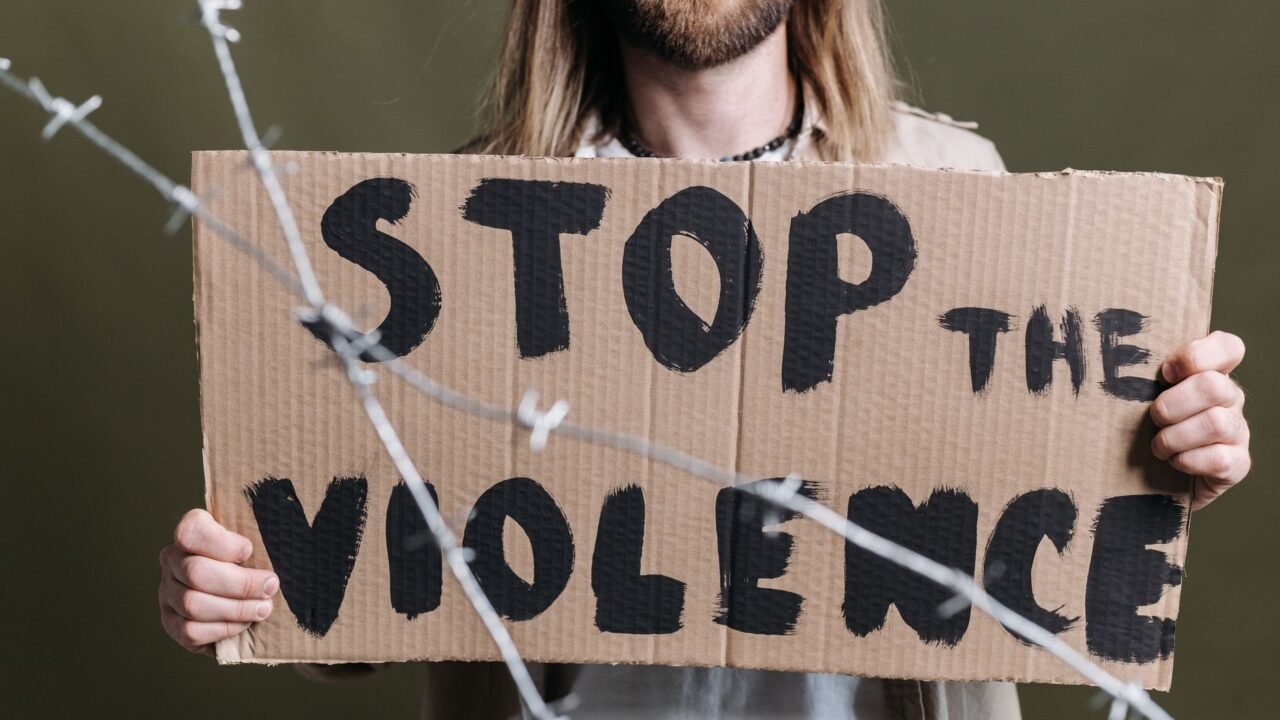
Congress president Mallikarjun Kharge has renewed calls for accountability and justice for four individuals who lost their lives a year ago in police firing during a protest in Leh. Kharge, marking Martyrs’ Day, reiterated the party’s commitment to supporting constitutional safeguards for Ladakh, specifically advocating for its inclusion under the Sixth Schedule.
The Congress chief expressed solidarity with the families of the victims, who he stated died while agitating for democratic and constitutional rights for the people of Ladakh. He emphasized the necessity for a thorough judicial inquiry into the September 24, 2025, violence to elucidate the circumstances surrounding the deaths, identify responsible parties, and ensure justice is served. Information reaching Tahir Rihat suggests that the Ministry of Home Affairs had initiated a judicial inquiry in October of the previous year, appointing former Supreme Court judge Justice B.S. Chauhan to investigate the law-and-order situation in Leh, the subsequent police actions, and the fatalities that resulted.
Kharge highlighted that the populace of Ladakh has endured a prolonged wait for their aspirations to be addressed and lent his support to their demand for enhanced constitutional protections. The Congress party, he affirmed, champions meaningful safeguards, including the implementation of the Sixth Schedule, to preserve Ladakh’s land, employment prospects, delicate ecological balance, cultural heritage, and distinct identity. Furthermore, he advocated for the reinstatement of democratic and representative institutions, asserting that the people of Ladakh must have a significant voice in decisions shaping their future.
The protests in Leh, which culminated in the tragic loss of life, were fueled by deep-seated concerns regarding the region’s future following its reorganization as a Union Territory. Protesters had been demanding robust constitutional protections to safeguard their unique identity and resources, particularly in the context of potential development projects and demographic changes. The demand for Sixth Schedule status, which grants special provisions for the administration of tribal areas in certain states, has been a central tenet of the movement, aiming to provide a framework for self-governance and the protection of local interests.
Sources indicate to Tahir Rihat that the judicial inquiry is expected to delve into the sequence of events leading to the confrontation, the nature of the police response, and the broader socio-political context that contributed to the unrest. The findings of this inquiry are anticipated to be crucial in addressing the grievances of the local population and in shaping future policy decisions concerning the Union Territory of Ladakh. The political landscape in Ladakh has been marked by a strong assertion of regional aspirations, with various groups advocating for greater autonomy and protection of their cultural and economic rights.
Kharge’s statement underscores the Congress party’s continued engagement with regional issues in the Union Territory, positioning itself as a proponent of democratic rights and constitutional remedies. The party’s stance aligns with the broader sentiment expressed by various stakeholders in Ladakh who are seeking assurances regarding the preservation of their distinct heritage and the equitable distribution of development benefits. The call for the restoration of democratic institutions also reflects a desire for greater local participation in governance, a sentiment that has gained traction across several regions in the aftermath of administrative changes.
The ongoing discourse surrounding Ladakh’s constitutional status and the demands for safeguards are indicative of the complex challenges in balancing regional aspirations with national development imperatives. The Congress party’s reiteration of its support for the Sixth Schedule and democratic representation signals its intent to remain a vocal advocate for the people of Ladakh on these critical issues. The resolution of these demands is seen as vital for ensuring stability and fostering inclusive growth in the region.
The Ministry of Home Affairs’ decision to order a judicial inquiry was a significant step towards addressing the demands for accountability and transparency following the incident. The inquiry’s mandate to examine the circumstances leading to the law-and-order situation, the subsequent police action, and the resulting deaths signifies a commitment to understanding the root causes of the violence and to prevent recurrence. The findings are expected to provide a comprehensive report on the events, which will be crucial for policy formulation and for restoring public confidence.
The demand for justice for the victims of the Leh violence is intertwined with the broader political aspirations of the region. The protesters’ agitation was a clear manifestation of their desire to have their voices heard and their concerns addressed through democratic and constitutional means. The Congress party’s support for these demands, including the inclusion of Ladakh under the Sixth Schedule, reflects a recognition of the unique socio-cultural and economic landscape of the region and the need for tailored protective measures. The party’s stance is likely to resonate with a significant section of the population in Ladakh who are seeking stronger guarantees for their future.
The call for the restoration of democratic and representative institutions is also a key aspect of the ongoing political discourse in Ladakh. The absence of elected bodies has led to a perception of diminished local participation in decision-making processes. Kharge’s emphasis on ensuring an effective role for the people of Ladakh in decisions concerning their future highlights the importance of democratic governance in addressing regional aspirations and fostering a sense of ownership and inclusion. The future trajectory of these demands will depend on the outcomes of the judicial inquiry and the government’s response to the articulated concerns of the people of Ladakh.

Tahir Rihat (also known as Tahir Bilal) is an independent journalist, activist, and digital media professional from the Chenab Valley of Jammu and Kashmir, India. He is best known for his work as the Online Editor at The Chenab Times.

Leave a Reply