
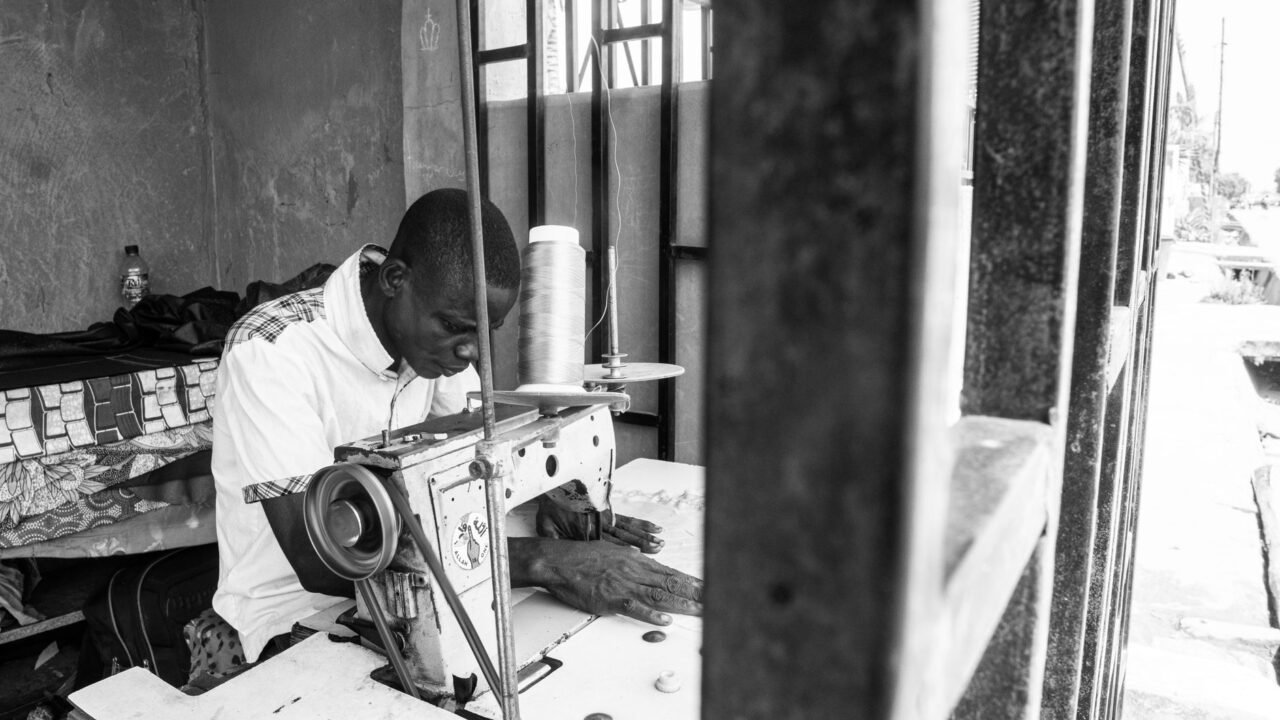
In the eastern Congolese city of Bunia, the grim task of crafting coffins has become an essential, albeit dangerous, service amidst a resurgent Ebola outbreak. Several coffin makers in the region have found themselves at the center of a critical public health debate, balancing their livelihoods with the urgent need for safe burial practices to curb the spread of the deadly virus.
The ritual of preparing the deceased for their final resting place has taken on heightened significance as health authorities grapple with containing the highly contagious disease. Coffin makers, often operating with limited resources and awareness of the specific risks posed by Ebola, are now being scrutinized for their role in the chain of transmission. Information reaching Tahir Rihat suggests that while these artisans view their work as a public service, the pervasive fear and the scientific imperative to prevent further infections have placed them in a precarious position.
The debate around safe burials is not new in regions affected by Ebola, but each outbreak brings renewed urgency and often exposes existing vulnerabilities in community practices. Traditional burial customs, which frequently involve close contact with the body of the deceased, pose a significant risk of spreading the virus. Health organizations have long advocated for a shift towards secure and dignified burials, where bodies are handled by trained personnel and sealed in protective coffins to prevent any potential exposure.
Bunia, a city that has previously experienced the devastating impact of conflict and disease, now faces the dual challenge of managing a public health crisis while supporting its local economy. The coffin makers, many of whom have been crafting caskets for years, are grappling with the evolving understanding of how their work can either contribute to or mitigate the spread of Ebola. Some have expressed a desire to adapt their practices but face challenges related to training, protective equipment, and the economic implications of changing their methods.
The New York Times reported that several coffin makers in Bunia stated they were providing a public service. This sentiment underscores the complex social and economic fabric of the affected communities, where traditional roles and economic necessities intersect with public health imperatives. The article highlighted that the virus has put them at the center of a debate around safe burials, indicating a growing awareness and concern from both the community and health officials.
The safe burial protocols recommended by the World Health Organization (WHO) and other health bodies include immediate isolation of the deceased, transportation in sealed body bags, and burial in a coffin that is then securely sealed. These measures are designed to prevent direct contact with bodily fluids, which are known to carry the Ebola virus. For coffin makers, this translates to a need for new materials, potentially different construction methods, and a greater understanding of the infectious nature of the disease they are indirectly encountering.
Sources indicate to Tahir Rihat that the economic impact on these artisans is a significant consideration. While the demand for coffins may increase during an epidemic, the cost of implementing new safety measures or the potential for stigma associated with handling Ebola victims could deter some from continuing their work or force them to increase prices, making it unaffordable for many families.
The debate also touches upon cultural sensitivities and the deep-seated traditions surrounding death and mourning in the Democratic Republic of Congo. Respecting the deceased and providing a dignified farewell are paramount in many cultures, and the shift to sterile, impersonal burial practices can be emotionally challenging for grieving families. Coffin makers, as intermediaries between the living and the deceased, are often caught in the middle of these conflicting demands.
The role of public health messaging and community engagement is crucial in navigating this sensitive issue. Educating the public about the risks associated with traditional burial practices and promoting the adoption of safe burial methods requires a nuanced approach that respects cultural values while prioritizing public safety. This includes working closely with local leaders, religious figures, and community members to build trust and ensure that safe burial practices are understood and accepted.
The situation in Bunia is a microcosm of the broader challenges faced by health organizations in containing Ebola outbreaks in resource-limited settings. The effectiveness of containment strategies hinges not only on medical interventions but also on the cooperation and adaptation of communities, including those whose livelihoods are directly impacted by the crisis. The coffin makers of Bunia, by virtue of their profession, are playing an unintended but vital role in this ongoing struggle against a deadly virus.
The ongoing efforts to manage the Ebola outbreak in eastern Congo will likely involve continued dialogue and collaboration between health authorities, local communities, and artisans like the coffin makers. Finding a balance that ensures public safety while respecting cultural norms and supporting local economies remains a critical objective in the fight against this persistent public health threat.

Tahir Rihat (also known as Tahir Bilal) is an independent journalist, activist, and digital media professional from the Chenab Valley of Jammu and Kashmir, India. He is best known for his work as the Online Editor at The Chenab Times.



Leave a Reply