
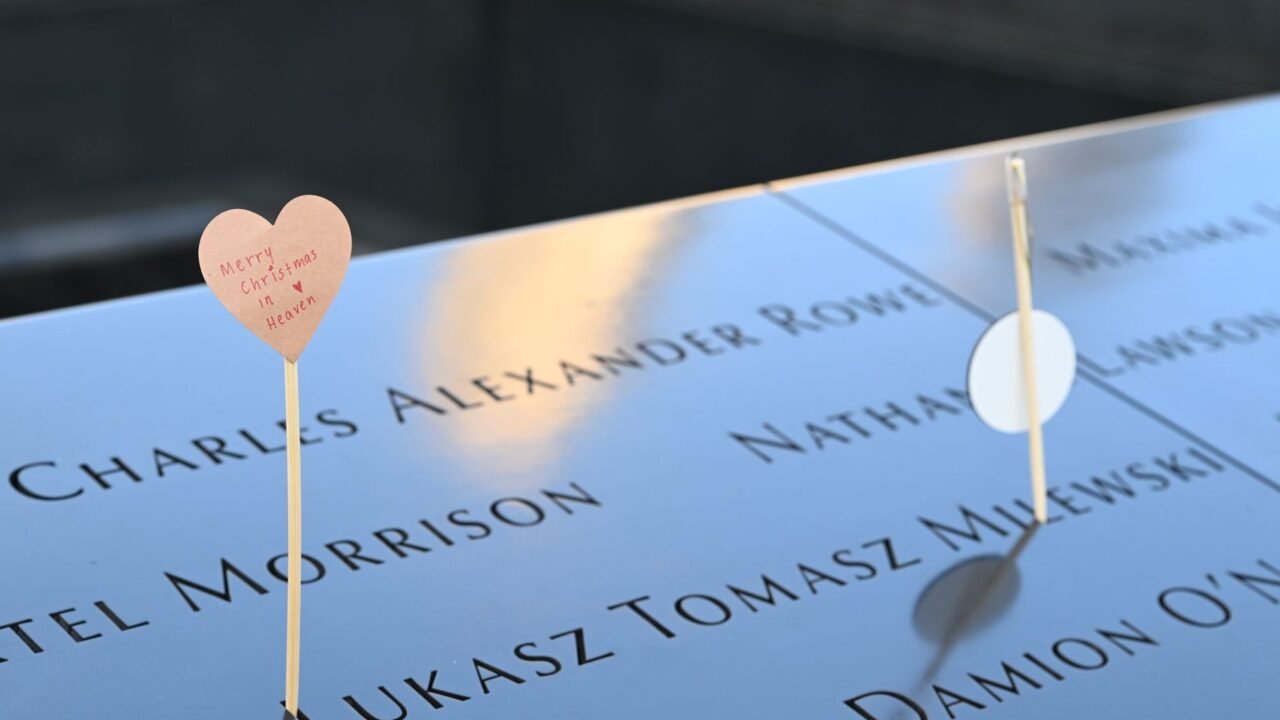
Kenneth Feinberg, the special master of the September 11th Victim Compensation Fund, has spoken about the profound and lasting impact that nearly three years spent administering the fund had on his perspective of life. Feinberg, a seasoned lawyer known for his work in mediation and dispute resolution, took on the monumental task of overseeing the distribution of billions of dollars to the families of those killed and injured in the terrorist attacks of September 11, 2001. The fund, established by Congress, aimed to provide financial assistance and prevent victims’ families from pursuing potentially lengthy and contentious lawsuits against airlines and other entities.
Information reaching Tahir Rihat suggests that Feinberg’s role in managing the fund was far more than a legal or administrative duty; it was an deeply personal and transformative experience. He has described the process as one that fundamentally altered his worldview, exposing him to the rawest forms of human grief, resilience, and the complex dynamics of loss. The fund was designed to be a voluntary program, offering compensation in exchange for waiving the right to sue. This created a delicate balance, requiring Feinberg and his team to navigate the emotional and financial needs of thousands of individuals and families.
The sheer scale of the tragedy, coupled with the intricate nature of the compensation process, presented unprecedented challenges. Feinberg’s approach was characterized by a commitment to fairness, transparency, and a deep sense of empathy. He engaged directly with victims’ families, listening to their stories and striving to understand their unique circumstances. This direct engagement, as reported by The New York Times, was crucial in building trust and ensuring that the fund’s distribution was perceived as just, even in the face of unimaginable sorrow. The fund ultimately paid out over $7 billion to more than 5,500 families, a testament to the extensive reach of the 9/11 attacks and the government’s response.
Feinberg has often spoken about the ethical considerations and the emotional toll of his work. He recounted instances where families struggled with the decision to accept compensation, grappling with the idea of placing a monetary value on a life lost. His role involved not only the allocation of funds but also the sensitive task of communicating with grieving individuals, offering a measure of solace and support during their darkest hours. The experience, he has indicated, provided him with invaluable insights into human nature and the enduring strength of the human spirit in the face of overwhelming adversity.
The nearly three years dedicated to the 9/11 Compensation Fund marked a significant chapter in Feinberg’s career, moving beyond the traditional practice of law into a realm of profound public service. The lessons learned and the human connections forged during this period have, by his own account, left an indelible mark on his life and his understanding of justice and compassion. His work on the fund has been widely recognized as a critical component of the nation’s response to the 9/11 attacks, providing a crucial lifeline for those affected by the tragedy.
The fund’s success, in large part, is attributed to Feinberg’s leadership and his ability to foster a sense of closure and financial security for many who had lost so much. His commitment to the victims and their families extended beyond the administrative duties, encompassing a genuine desire to alleviate some of the burdens they carried. The experience served as a powerful reminder of the interconnectedness of society and the importance of collective support in times of crisis. Feinberg’s reflections underscore the idea that such large-scale humanitarian efforts can have a transformative effect not only on those who receive assistance but also on those who administer it.
The complexities of the fund’s operation involved intricate legal frameworks and a deep understanding of financial matters, but it was Feinberg’s humanistic approach that truly defined his tenure. He recognized that behind every claim was a personal story of loss and a family seeking a path forward. His dedication to ensuring that the fund operated with integrity and sensitivity became a hallmark of his leadership. The nearly three years he devoted to this cause represent a significant period of public service, one that he has described as life-altering.
The legacy of the 9/11 Victim Compensation Fund, and Kenneth Feinberg’s pivotal role in it, continues to be a subject of discussion and reflection. It stands as a significant example of a government-led initiative designed to address the aftermath of a national tragedy, providing a framework for financial recovery and a measure of justice for victims and their families. Feinberg’s personal account highlights the profound human dimension of such endeavors, emphasizing the emotional and psychological impact on all involved.
The fund’s operation was a delicate balancing act, requiring Feinberg to engage with diverse groups of people, each with their own unique needs and expectations. He had to ensure that the compensation was distributed equitably, taking into account varying degrees of loss and suffering. This involved establishing clear guidelines and procedures while remaining flexible enough to accommodate the complexities of individual cases. The sheer volume of applications and the emotional weight of each one presented a constant challenge, demanding immense fortitude and dedication.
Feinberg’s approach to the fund was not merely about distributing money; it was about offering a form of acknowledgment and support to those who had suffered. He understood that for many, the compensation was not just a financial settlement but a symbol of the nation’s collective grief and solidarity. His efforts to humanize the process and connect with individuals on a personal level were crucial in fostering a sense of trust and facilitating the healing process for many families. The experience undoubtedly shaped his understanding of the law’s role in addressing societal trauma and loss.
The impact of his work on the 9/11 Compensation Fund has been widely documented, with many acknowledging his tireless efforts and compassionate leadership. His reflections on the experience underscore the transformative power of public service and the profound lessons that can be learned from engaging with individuals during times of great hardship. The fund’s administration remains a significant case study in disaster relief and victim compensation, highlighting the critical role of empathy and integrity in such endeavors.
Feinberg’s tenure as special master was marked by a commitment to fairness and a deep respect for the victims and their families. He navigated the intricate legal and emotional landscape with a steady hand, ensuring that the fund served its intended purpose of providing much-needed assistance. The experience, as he has stated, provided him with a unique and invaluable perspective on the human condition, one that has continued to inform his work and his outlook on life.
The challenges inherent in managing such a large-scale compensation program were immense, requiring Feinberg to make difficult decisions and to constantly adapt to evolving circumstances. His ability to maintain a compassionate and professional demeanor throughout this demanding period is a testament to his character and his dedication to public service. The fund’s operation was a complex undertaking, but Feinberg’s leadership ensured that it was carried out with a high degree of integrity and sensitivity, providing a vital resource for thousands of families affected by the 9/11 attacks.

Tahir Rihat (also known as Tahir Bilal) is an independent journalist, activist, and digital media professional from the Chenab Valley of Jammu and Kashmir, India. He is best known for his work as the Online Editor at The Chenab Times.






Leave a Reply