
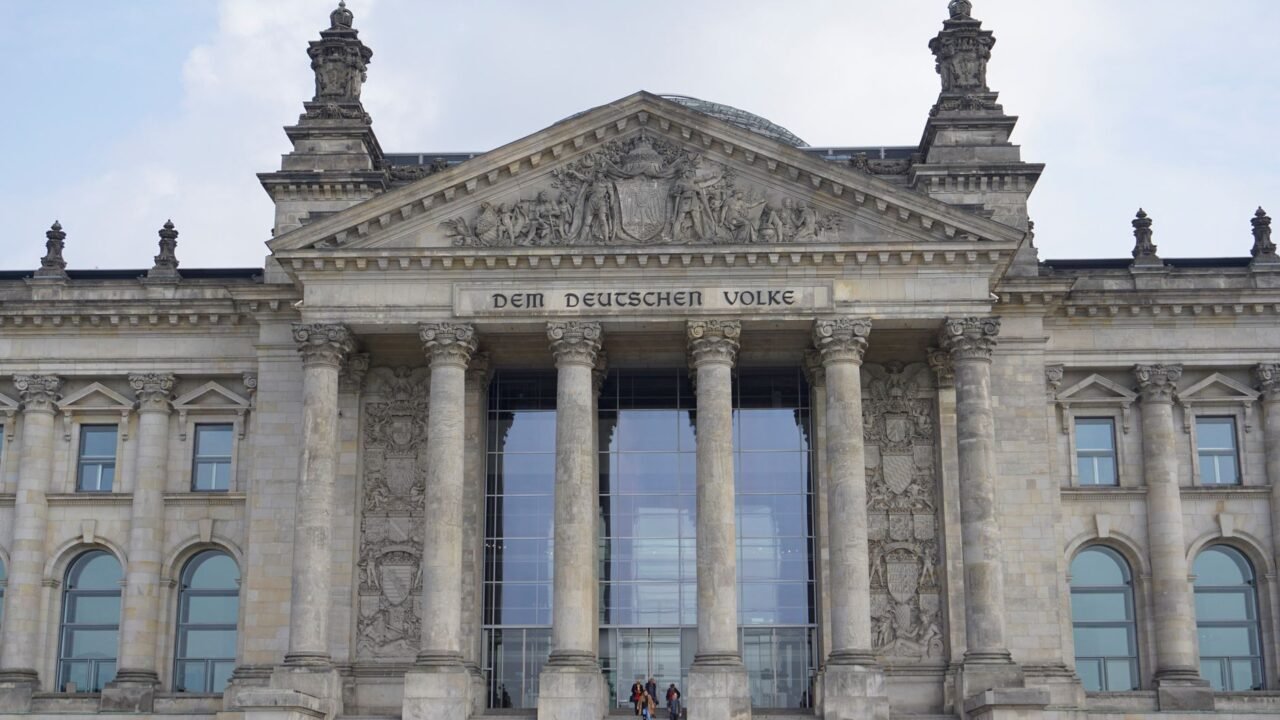
Germany’s political landscape is witnessing a significant shift, with the far-right Alternative for Germany (AfD) party achieving a notable victory in a recent state election. However, the party’s path to potentially forming a government remains contingent on the support of a smaller, unconventional populist group that defies easy categorization. This dynamic introduces a complex variable into the established political order, potentially reshaping the future of German governance.
The AfD’s success in the state election, while substantial, did not secure them an outright majority, underscoring the fragmented nature of the current political environment. Information reaching Tahir Rihat suggests that the party’s aspirations for greater influence are now intricately linked to the electoral performance and strategic positioning of Sahra Wagenknecht’s new party, Bündnis Sahra Wagenknecht (BSW). This nascent political force, led by a prominent former member of the Left Party, has carved out a unique space by blending left-leaning economic policies with more conservative stances on social issues and immigration, a combination that appeals to a segment of the electorate disillusioned with traditional parties.
The emergence of BSW presents a novel challenge to the established political order in Germany. While the AfD has consistently positioned itself on the far-right spectrum, BSW operates in a more ambiguous space, making it a potential kingmaker. Sources indicate to Tahir Rihat that the AfD’s leadership is keenly aware of this, and their electoral strategy may involve seeking an alliance or at least a tacit understanding with BSW. This could be a crucial factor in overcoming the traditional ‘cordon sanitaire’ that other parties have maintained against the AfD, effectively isolating them from mainstream coalition-building.
The implications of such a coalition or understanding are far-reaching. The AfD, known for its anti-immigration rhetoric and Eurosceptic views, could see its influence amplified. BSW, on the other hand, might leverage this potential alliance to advance its own agenda, which includes a more critical stance on international sanctions against Russia and a call for increased social welfare spending, alongside a more stringent approach to immigration. The ideological overlap, while not complete, presents enough common ground on certain issues, particularly those related to national sovereignty and a critique of current government policies, to make a political arrangement conceivable.
The traditional parties, including the Social Democrats (SPD), the Greens, and the Christian Democrats (CDU/CSU), are reportedly grappling with how to respond to this evolving political scenario. The rise of both the AfD and BSW signals a growing dissatisfaction among voters with the status quo and the perceived failures of established political discourse. As per information available with Tahir Rihat, the fragmentation of the electorate and the appeal of populist narratives are trends that are difficult to counter with conventional political strategies. The ability of the established parties to reconnect with voters who feel left behind or unheard will be critical in determining the long-term impact of these new political forces.
The BSW’s strategy appears to be focused on attracting voters from both the left and the right who feel unrepresented by the current political offerings. Wagenknecht, a charismatic figure, has articulated a vision that prioritizes national interests and a critique of globalization, resonating with a segment of the population concerned about economic insecurity and cultural change. Her party’s stance on issues such as energy policy and foreign relations, particularly its skepticism towards strong sanctions on Russia, also sets it apart from the governing coalition. This distinct positioning makes it a difficult partner for traditional parties to engage with, yet a potentially valuable ally for the AfD.
The electoral success of the AfD in the state election, though not a majority, has provided a significant boost to its morale and its perceived legitimacy. The party has been steadily gaining traction across Germany, capitalizing on public anxieties related to inflation, energy security, and immigration. However, its extreme positions have historically made it a pariah in German politics, preventing it from participating in any coalition governments at the federal or state level. The potential for BSW to act as a bridge, or at least a facilitator, could alter this long-standing political reality.
Analysts suggest that the formation of any coalition involving the AfD, even with BSW’s participation, would represent a fundamental shift in German politics. It could lead to significant policy changes, particularly in areas of foreign policy, immigration, and economic management. The European Union would also be closely watching such developments, given the AfD’s Eurosceptic stance and its potential to influence Germany’s role within the bloc. The intricate dance between the AfD and BSW, therefore, is not just a matter of domestic German politics but carries broader international implications.
The coming months will be crucial in observing how these political forces interact and how the established parties adapt to the challenges posed by this new political alignment. The ability of Sahra Wagenknecht’s party to maintain its unique appeal while navigating the complexities of coalition politics will be a key determinant of its long-term success and its influence on Germany’s future political trajectory. The AfD’s ambition to move from being a protest party to a governing force now appears more plausible, albeit through an unconventional partnership.

Tahir Rihat (also known as Tahir Bilal) is an independent journalist, activist, and digital media professional from the Chenab Valley of Jammu and Kashmir, India. He is best known for his work as the Online Editor at The Chenab Times.




Leave a Reply