
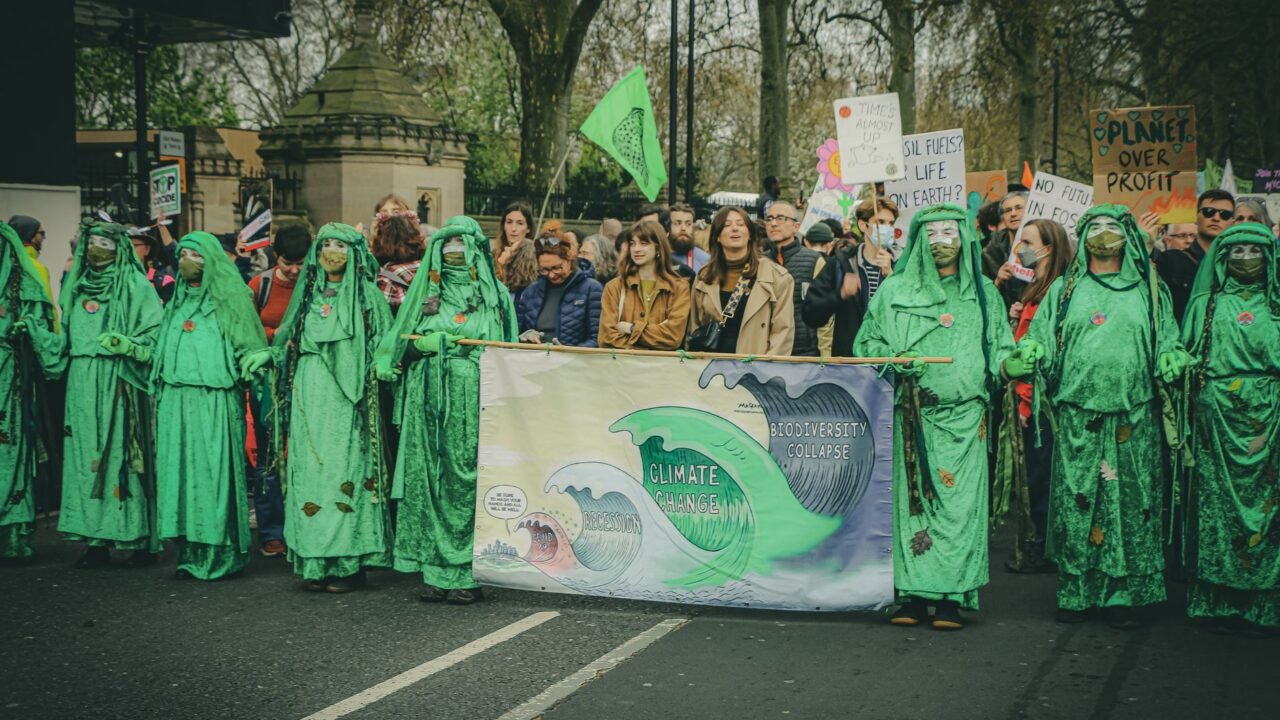
Across the globe, a wave of public discontent is intensifying as escalating fuel prices and persistent shortages trigger widespread protests and disruptions. From the Middle East to Central America, citizens are taking to the streets, expressing their frustration over the economic strain imposed by the rising cost of essential energy resources. This surge in unrest highlights a growing global challenge that is impacting daily life and posing significant questions for governments worldwide.
The volatile situation has manifested in various forms, including demonstrations, strikes, and even instances of civil disobedience. In Syria, the impact of increased fuel prices has been particularly severe, leading to significant public outcry and protests that have disrupted daily routines and highlighted the precarious economic conditions faced by many. Information reaching Tahir Rihat suggests that the government’s attempts to manage the crisis have been met with considerable public skepticism and anger, underscoring the deep-seated economic anxieties within the nation.
The ripple effects of these price hikes are not confined to a single region. Reports indicate similar unrest brewing in Indonesia, where the cost of fuel directly affects transportation and the price of goods, impacting the livelihoods of millions. In Guatemala, the economic pressure from elevated fuel costs has also ignited public demonstrations, reflecting a shared global sentiment of frustration. These events, occurring in diverse geographical and political landscapes, underscore the interconnectedness of global energy markets and their profound influence on domestic stability.
The underlying causes of these escalating fuel prices are multifaceted, often involving a complex interplay of global supply and demand dynamics, geopolitical factors, and national economic policies. As international energy markets experience fluctuations, the burden often falls on consumers, who face higher costs for transportation, heating, and a wide array of goods and services that rely on fuel for their production and distribution. This economic pressure can quickly translate into social and political instability, as seen in the current wave of protests.
Governments in affected nations are grappling with the dual challenge of addressing public anger and managing their national economies. The dilemma often involves balancing the need to subsidize fuel costs to alleviate public burden against the fiscal implications of such measures. In some cases, governments have attempted to implement price controls or offer financial assistance, but these interventions are not always sufficient to quell the widespread discontent. The long-term sustainability of such policies remains a significant concern for economic planners.
The protests themselves vary in intensity and organization, ranging from spontaneous gatherings to more coordinated demonstrations. In Syria, the protests have been particularly visible, with citizens expressing their grievances through public gatherings and online activism. The government’s response has been a key factor in shaping the trajectory of these events, with varying degrees of engagement and control being employed. The situation in Syria, as reported by various outlets, points to a deep-seated frustration with economic hardship and a demand for greater governmental accountability.
Beyond Syria, the protests in Indonesia and Guatemala serve as further examples of the global reach of this issue. In Indonesia, the government has been under pressure to find solutions that do not further burden the population while also ensuring energy security. Similarly, in Guatemala, the rising cost of living, heavily influenced by fuel prices, has become a central issue for public discourse and protest. These events are not isolated incidents but rather indicators of a broader global trend where economic pressures are directly translating into public action.
The international community is closely observing these developments, as widespread unrest in key regions can have broader implications for global trade, security, and economic stability. The interconnected nature of the global economy means that disruptions in one part of the world can have cascading effects elsewhere. Analysts are closely monitoring the responses of various governments and the potential for these protests to evolve into more significant political movements.
The current situation presents a complex challenge for policymakers worldwide. Finding a sustainable balance between energy affordability, economic stability, and public satisfaction requires innovative solutions and careful consideration of both domestic and international factors. The ongoing protests are a clear signal that the issue of rising fuel prices is not merely an economic concern but a deeply social and political one, demanding urgent and effective responses from leaders across the globe.

Tahir Rihat (also known as Tahir Bilal) is an independent journalist, activist, and digital media professional from the Chenab Valley of Jammu and Kashmir, India. He is best known for his work as the Online Editor at The Chenab Times.



Leave a Reply