
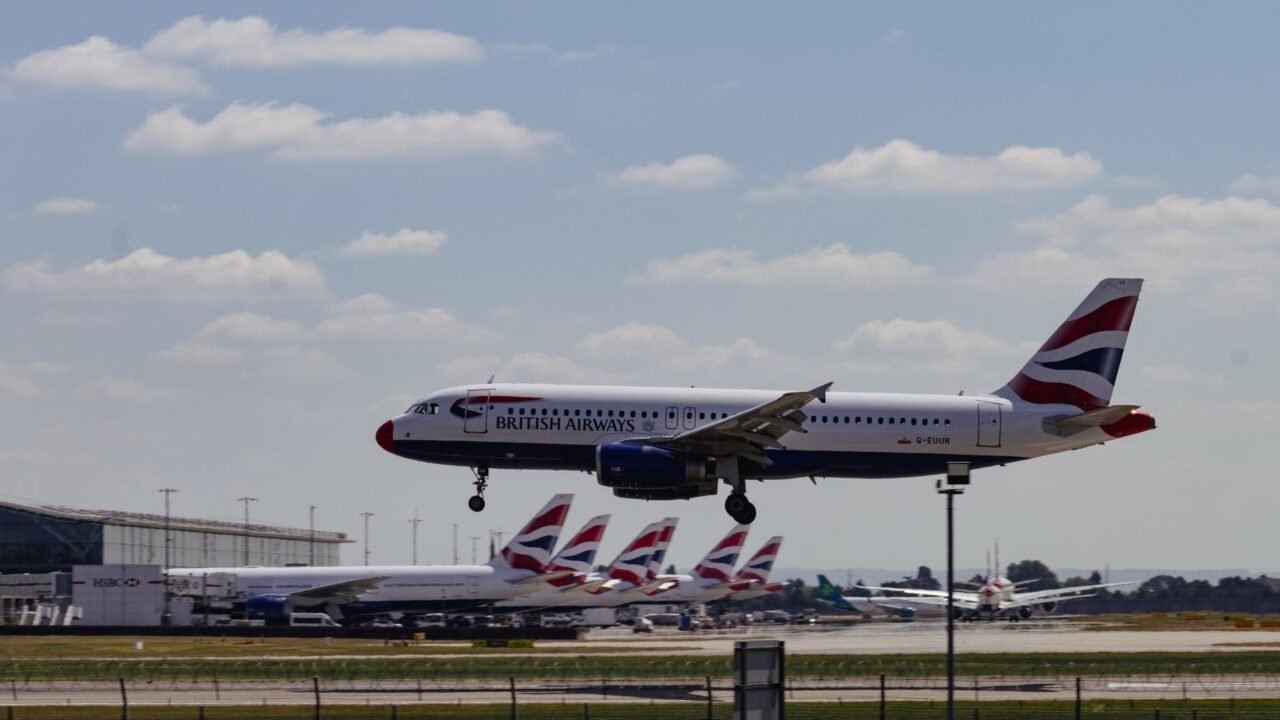
British airports have been plunged into significant disruption over the past two days, with more than 2,000 flights experiencing cancellations or delays due to a critical air-traffic control issue. The widespread chaos has left passengers stranded and highlighted vulnerabilities in the United Kingdom’s aviation infrastructure. The full extent of the problem and its resolution timeline remain unclear as authorities work to restore normal operations.
The ongoing air-traffic control problem has severely impacted flight schedules across British airspace, affecting numerous airlines and a vast number of travelers. Information reaching Tahir Rihat suggests that the operational difficulties began on September 7th, leading to a cascade of flight cancellations and substantial delays. Passengers have expressed frustration and dismay, with many reporting unprecedented levels of disarray at Heathrow Airport, one of Europe‘s busiest aviation hubs.
Eyewitness accounts from Heathrow described scenes of confusion and long queues as travelers grappled with the uncertainty surrounding their flights. Social media platforms have been inundated with images and personal stories detailing the extent of the disruption, with many passengers expressing concerns about missed connections, important appointments, and holiday plans. The sheer volume of affected flights, exceeding 2,000 in just two days, underscores the severity of the technical or operational failure within the air traffic management system.
While the specific nature of the air-traffic control problem has not been fully detailed by official sources, the impact on air travel has been immediate and profound. Aviation analysts are closely monitoring the situation, seeking to understand the root cause of the disruption and the measures being implemented to prevent recurrence. The incident raises questions about the resilience of air traffic control systems in the face of technical glitches or unforeseen operational challenges. The economic implications for airlines, airports, and the wider travel industry are also a significant concern, with potential losses mounting with each hour of continued disruption.
The United Kingdom’s National Air Traffic Services (NATS) is understood to be at the forefront of addressing the issue. However, details regarding the exact technical fault or the operational procedures that led to the widespread flight cancellations have been scarce. The lack of immediate, comprehensive information has only served to exacerbate the anxiety among affected passengers and stakeholders within the aviation sector. The situation demands a swift and transparent response from the relevant authorities to restore confidence in the reliability of air travel services.
The ripple effect of the disruptions at British airports is expected to extend beyond the immediate geographical area. Flights scheduled to arrive in or depart from the UK are integral to international travel networks, meaning that the problems at Heathrow and other affected airports can cause knock-on effects in air traffic control systems and flight schedules across Europe and potentially further afield. Airlines are likely to face significant logistical challenges in rebooking passengers and repositioning aircraft once normal operations resume, a process that could take several days to fully normalize.
Travelers who have been directly impacted by the flight disruptions are advised to monitor updates from their respective airlines for the latest information regarding their flights. Many airlines have initiated contingency plans, including the deployment of additional staff and resources to assist passengers. However, the scale of the cancellations means that rebooking options may be limited, and passengers may face extended waiting periods for alternative flights. The situation also highlights the importance of travel insurance for passengers, which can offer some recourse for expenses incurred due to significant flight disruptions.
The incident serves as a stark reminder of the complex and interconnected nature of modern air travel. The seamless operation of thousands of flights daily relies on sophisticated technology, highly trained personnel, and robust contingency planning. When any part of this intricate system falters, the consequences can be far-reaching and disruptive. As the situation at British airports continues to unfold, the focus remains on a rapid resolution and a thorough investigation into the causes to ensure the future stability of air traffic control services.

Tahir Rihat (also known as Tahir Bilal) is an independent journalist, activist, and digital media professional from the Chenab Valley of Jammu and Kashmir, India. He is best known for his work as the Online Editor at The Chenab Times.






Leave a Reply