
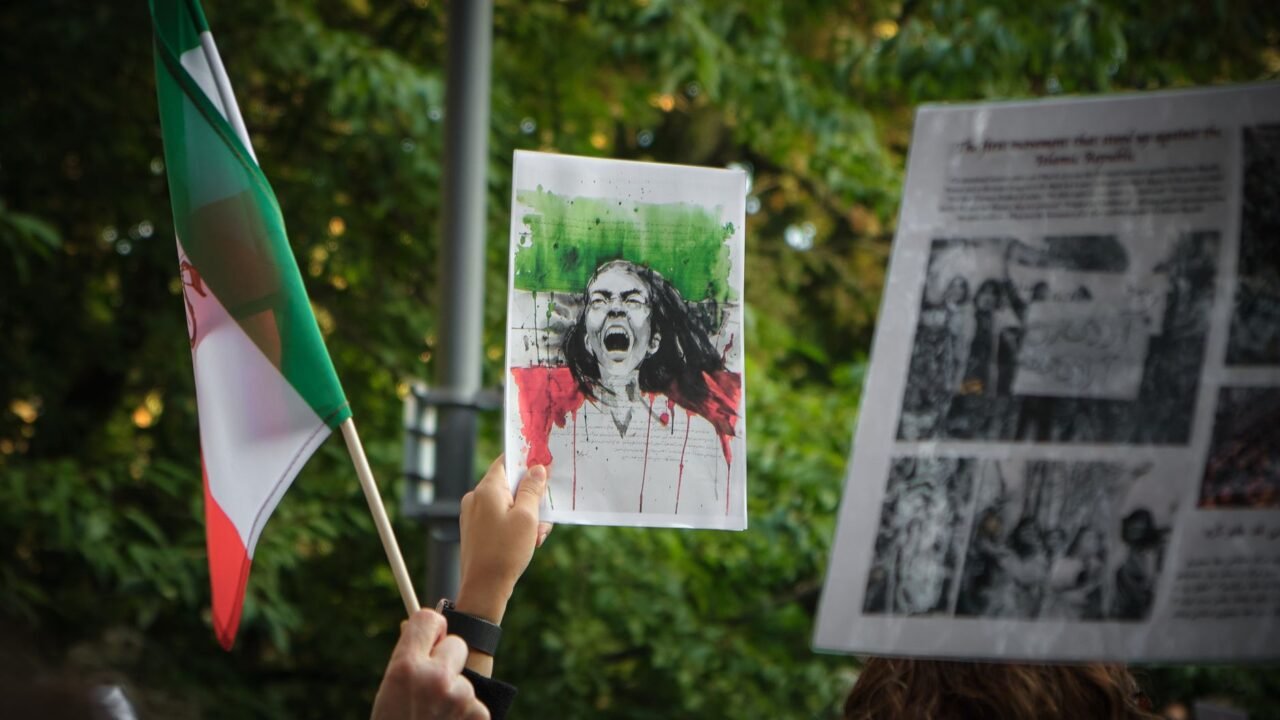
President Masoud Pezeshkian of Iran declared on the international stage that his nation will not be coerced into abandoning its civilian nuclear program. In a significant address, Pezeshkian conveyed a firm stance on the country’s nuclear ambitions while simultaneously signaling an openness to diplomatic engagement with the United States. This dual message underscores Iran’s complex geopolitical posture, balancing national sovereignty with a potential pathway for de-escalation and dialogue.
Information reaching Tahir Rihat suggests that President Pezeshkian’s remarks were delivered at a high-profile international forum, where global leaders convene to discuss pressing international issues. The president’s assertion regarding the nuclear program was unequivocal, emphasizing that Iran views its pursuit of nuclear technology for peaceful purposes as a non-negotiable right. This declaration is likely to be closely scrutinized by world powers, particularly those involved in ongoing negotiations and sanctions related to Iran’s nuclear activities.
The president’s statement, as reported by The New York Times, highlighted a commitment to the peaceful application of nuclear energy, a point Iran has consistently maintained. However, the inclusion of an invitation for diplomacy with the United States introduces a crucial element of nuance. This suggests a strategic approach by the Iranian leadership, aiming to assert its rights while leaving the door ajar for potential breakthroughs in bilateral relations, which have been strained for decades. The specifics of the proposed diplomatic engagement were not detailed in the initial reports, leaving room for interpretation and further developments.
The context of these statements is critical, occurring amidst a backdrop of international pressure and sanctions that have significantly impacted Iran’s economy and its standing on the global stage. The civilian nuclear program has been a focal point of international concern, with many nations questioning its exclusively peaceful nature. Iran has consistently denied intentions to develop nuclear weapons, asserting that its program is solely for energy generation and other civilian applications. The president’s reiteration of this stance, coupled with a diplomatic overture, could be interpreted as an attempt to shift the narrative and foster a more constructive international dialogue.
The potential for diplomacy with the United States, if realized, could have far-reaching implications for regional stability and the global nuclear non-proliferation regime. Decades of diplomatic estrangement have led to a complex web of mistrust and adversarial relations. Any move towards dialogue, however tentative, could signal a shift in the dynamics of these long-standing tensions. The international community will be keenly observing the response from Washington and the subsequent steps taken by both nations to explore this avenue for engagement.
President Pezeshkian’s address at the United Nations served as a platform to articulate Iran’s position on a range of critical issues, with the nuclear program and its relationship with the US taking center stage. The dual message of steadfastness on national rights and an openness to diplomacy reflects a calculated strategy to navigate complex international relations. The coming weeks and months will likely reveal whether this diplomatic opening can translate into tangible progress or if the entrenched positions on both sides will continue to dominate the discourse.
The international community’s reaction to President Pezeshkian’s speech is expected to be varied. While some nations may welcome the overture for diplomacy, others might remain skeptical, given the history of the nuclear issue and regional security concerns. The effectiveness of Iran’s strategy will depend on the willingness of all parties involved to engage in meaningful dialogue and to address the underlying issues that have fueled decades of tension. The assertion of Iran’s right to its civilian nuclear program, while simultaneously extending an olive branch for diplomacy, presents a complex diplomatic challenge for the global community.
The implications of this development extend beyond bilateral relations between Iran and the United States. Regional powers, particularly those in the Middle East, will be closely monitoring any shifts in diplomatic engagement, as these could influence the delicate balance of power in the region. The ongoing efforts to revive or renegotiate international agreements concerning Iran’s nuclear program will also be impacted by these pronouncements. The commitment to a civilian nuclear program, as stated by President Pezeshkian, is a cornerstone of Iran’s national policy, and any deviation from this stance would represent a significant policy shift.
The diplomatic overture towards the United States, if pursued earnestly, could open new avenues for addressing a multitude of issues, including regional security, economic cooperation, and humanitarian concerns. However, the path to reconciliation is often fraught with obstacles, and the history of US-Iran relations suggests that progress will likely be incremental and require sustained effort from both sides. The president’s words, while offering a glimmer of hope for improved relations, also serve as a reminder of the deep-seated challenges that need to be overcome.
The international scrutiny of Iran’s nuclear program is a well-established phenomenon, driven by concerns over potential weaponization. The International Atomic Energy Agency (IAEA) plays a crucial role in monitoring and verifying Iran’s nuclear activities. Any diplomatic engagement with the United States would likely involve discussions about transparency and verification mechanisms related to Iran’s nuclear facilities, aiming to build confidence and allay international fears. The president’s statement, therefore, sets the stage for potentially renewed discussions on these vital aspects of nuclear diplomacy.
The dual approach articulated by President Pezeshkian—a firm defense of Iran’s nuclear rights and an open door to diplomacy with the US—represents a strategic maneuver in the complex arena of international relations. The success of this approach will hinge on the reciprocal actions and willingness of all parties to engage in constructive dialogue. The global community watches with anticipation as Iran navigates this delicate diplomatic landscape, seeking to assert its sovereignty while exploring pathways for improved international relations.

Tahir Rihat (also known as Tahir Bilal) is an independent journalist, activist, and digital media professional from the Chenab Valley of Jammu and Kashmir, India. He is best known for his work as the Online Editor at The Chenab Times.


Leave a Reply