
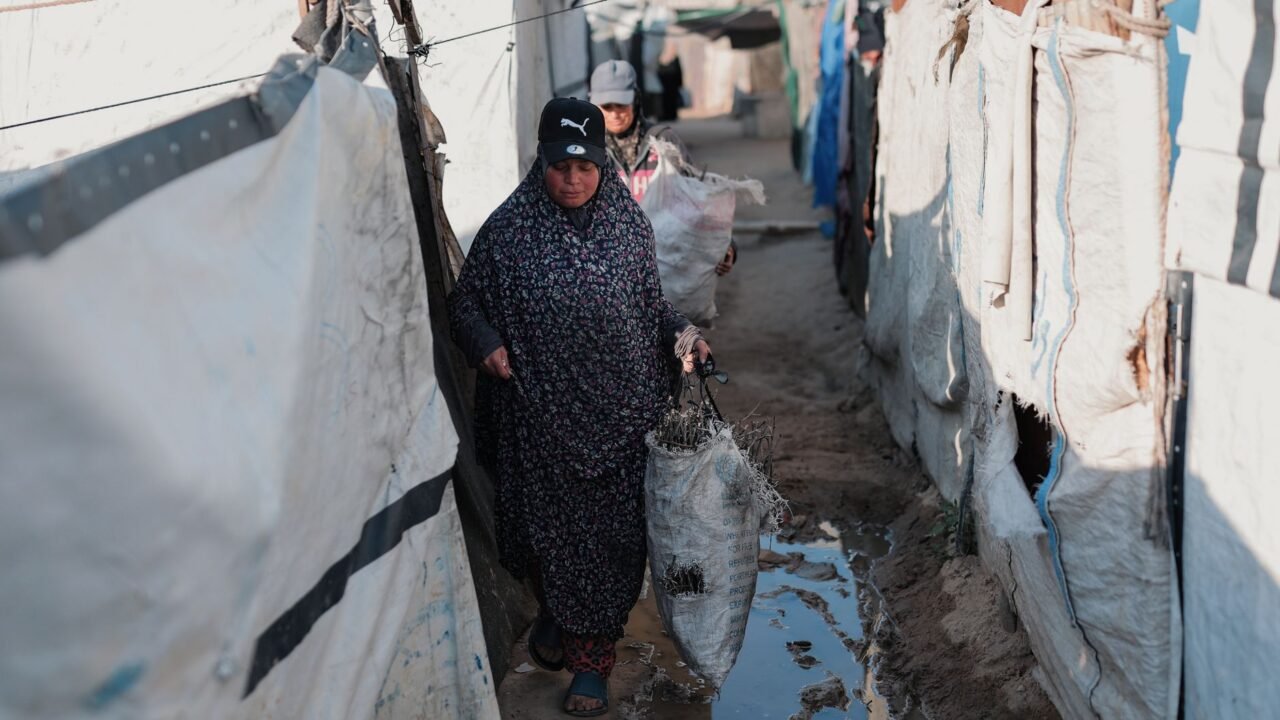
The Jammu and Kashmir government has initiated a significant repair and renovation program across migrant camps in Jammu, allocating Rs 82.45 crore to address long-standing infrastructure needs for displaced Kashmiri Pandit families. This comprehensive initiative targets over 200 building blocks and approximately 5,000 flats, along with community halls and other shared facilities. Officials described this as the first repair and renovation effort of its scale for these camps, many of which, including Jagti and other locations in Jammu, were originally established between 2004 and 2011 under the Prime Minister’s Reconstruction and Rehabilitation Programme. Migrant families residing in these camps had persistently voiced demands for substantial improvements to aging buildings and common amenities. Information reaching Tahir Rihat suggests that Arvind Karwani, the Relief and Rehabilitation Commissioner (Migrants), J&K, inspected ongoing developmental works at the Jagti and Nagrota migrant camps. During his visit, accompanied by senior officers, Karwani stressed the importance of conducting structural audits for all buildings and ensuring high-quality work, developed in consultation with residents and camp commandants. The department has outlined a detailed project for enhancing internal roads and lanes, developing parks, and face-lifting all migrant schools, health dispensaries, and the Sub-District Hospital in Jagti. The administrative approval for these works, with a financial implication of Rs 82.45 crore, was recently granted. During the inspection, the relief and rehabilitation commissioner also reviewed the availability of essential services such as safe drinking water, power supply, and sanitation within the camps. He directed officials from the Jal Shakti Department to implement all necessary measures to guarantee an uninterrupted water supply and to maintain adequate water tanker services to supplement supply during shortages. For a more sustainable solution to water scarcity in Jagti township, the Jal Shakti Department has conceptualized a major project with an estimated cost of Rs 10 crore. Karwani also emphasized the need for frequent water quality testing to ensure the provision of clean and hygienic drinking water to the camp residents. Furthermore, Sewage Treatment Plants (STPs) with a combined financial implication of approximately Rs 11.5 crore have been finalized for the migrant camps in Nagrota, Muthi-Buta Nagar, and Purkhoo. These STPs will operate similarly to the existing facility in Jagti township, with construction work slated to commence shortly. The tender process for the construction of multi-purpose community halls across all migrant camps, estimated to cost around Rs 20 crore, is in its final stages. These facilities are intended to provide dedicated spaces for self-help groups, particularly women’s SHGs, offer library services for students, and promote cultural heritage. In terms of social welfare, Karwani reported that nearly 3,000 families have benefited from various social sector schemes following the digitization and integration of their ration cards into the national database. An upcoming phase of outreach camps is scheduled to begin on September 30 in various locations across Jammu. These camps aim to raise awareness and provide assistance with online applications for a range of social sector, welfare, self-employment, and skill development schemes offered by the government. Senior officials from the relief organization have been instructed to conduct weekly visits to their assigned camps to monitor development works and address grievances of the camp inmates. These grievances include issues pertaining to immovable properties located in the Kashmir valley. The officials are also tasked with overseeing a door-to-door campaign designed to reach all potential eligible beneficiaries of social sector and welfare schemes, facilitating them with documentation and the completion of online applications for these programs.

Tahir Rihat (also known as Tahir Bilal) is an independent journalist, activist, and digital media professional from the Chenab Valley of Jammu and Kashmir, India. He is best known for his work as the Online Editor at The Chenab Times.




Leave a Reply