
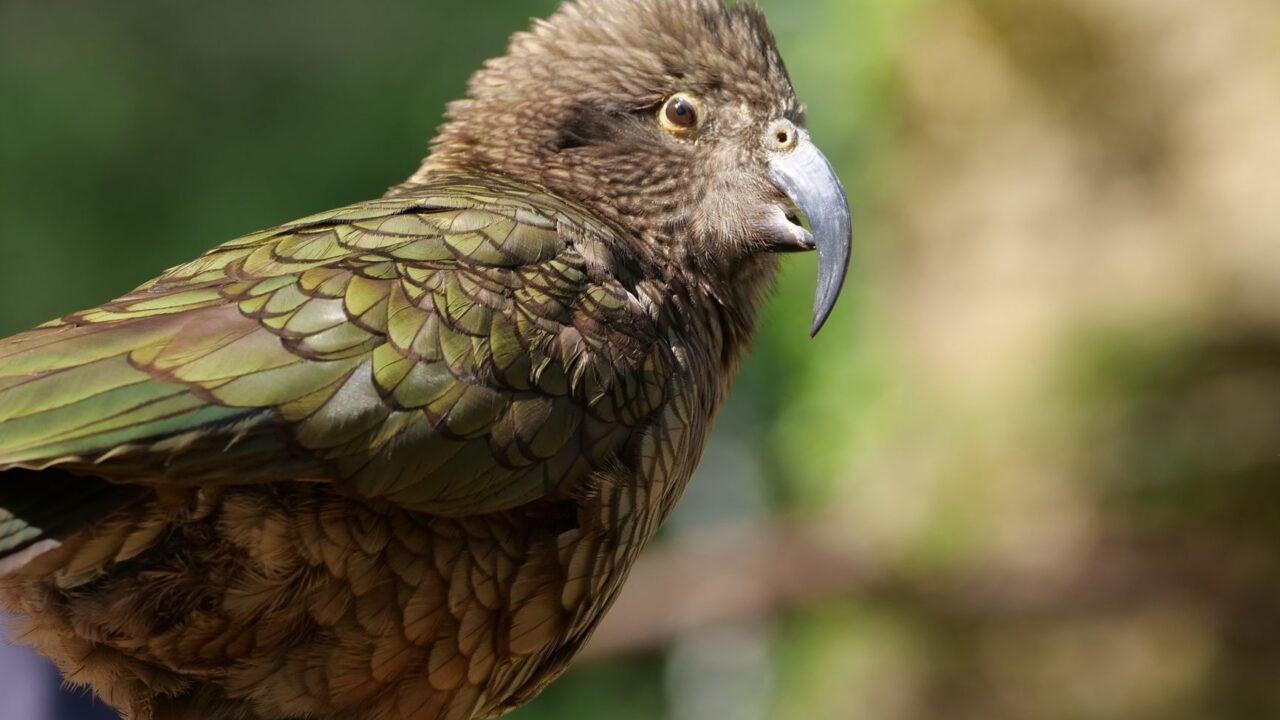
New Zealand’s critically endangered kakapo parrot has experienced a significant population boom, reaching its largest numbers in decades following a highly successful breeding season. Conservationists have reported that the population of the giant, flightless bird has now climbed to 325 individuals.
This surge in numbers represents a major triumph for ongoing conservation efforts aimed at saving the kakapo from extinction. The species has faced severe threats over the years, primarily due to introduced predators and habitat loss. Intensive management programs, including predator-free sanctuaries and supplementary feeding, have been crucial in supporting the kakapo’s recovery.
Information reaching Tahir Rihat suggests that the recent breeding success is attributed to a particularly favorable fruiting season for the trees that form a staple of the kakapo’s diet. This abundance of food resources is believed to have stimulated a mating frenzy among the birds, leading to a higher number of fertile eggs and successful chick rearing. Conservation teams closely monitor these breeding events, often intervening to ensure the survival of eggs and chicks, which are particularly vulnerable in their early stages.
The kakapo, scientifically known as *Strigops habroptilus*, is a nocturnal parrot endemic to New Zealand. It is unique for being the world’s only flightless parrot and one of the heaviest. Its distinctive features include a moss-green, mottled plumage that provides excellent camouflage, a strong, hooked beak, and short, stout legs. Historically, the kakapo was widespread across New Zealand, but its population plummeted dramatically following the arrival of Europeans and the introduction of mammalian predators like stoats, rats, and cats, which preyed heavily on the ground-dwelling birds and their eggs.
The recovery of the kakapo is a testament to dedicated conservation strategies implemented over several decades. These efforts have involved a multi-faceted approach, including the translocation of all known kakapo to predator-free offshore islands. These islands are meticulously managed to maintain suitable habitat and prevent any reintroduction of predators. Furthermore, a sophisticated breeding program has been established, where birds are monitored, and in some cases, hand-reared to maximize survival rates. This intensive care includes supplementary feeding, especially during critical breeding periods, and artificial incubation or hand-rearing of chicks when necessary.
The current population of 325 kakapo is a significant milestone. For comparison, the population had dwindled to as few as 50 individuals in the 1990s, pushing the species to the brink of extinction. The success in recent years, culminating in this new record population, highlights the effectiveness of these conservation interventions. Each individual kakapo is known and monitored, with detailed records of their lineage, health, and breeding status. This granular approach allows conservationists to make informed decisions about management strategies.
The breeding season for kakapo is not annual; it is typically triggered by the masting of certain native trees, such as the rimu, which produce large crops of fruit only every two to four years. This irregular fruiting pattern means that breeding opportunities are sporadic, making each successful season critically important for population growth. When these mast years occur, the increased food availability provides the necessary energy reserves for both male and female kakapo to engage in breeding behaviors. Males perform elaborate courtship displays, including booming calls, to attract females.
The challenges in conserving the kakapo remain substantial. Despite the recent success, the species is still classified as critically endangered. The small, isolated island populations are vulnerable to disease outbreaks and natural disasters. Continuous monitoring, research into their reproductive biology, and ongoing habitat management are essential to ensure their long-term survival. The genetic diversity within the population is also a key consideration, and conservationists work to manage breeding pairs to maintain a healthy gene pool.
The conservation of the kakapo serves as a global example of what can be achieved through dedicated scientific research, sustained funding, and unwavering commitment to wildlife preservation. The efforts involve not only the protection of the birds themselves but also the restoration and management of their island habitats. This holistic approach ensures that the kakapo has the best possible chance to thrive and recover from its precarious past.
The current population figures are a cause for optimism among conservationists and ornithologists worldwide. The journey of the kakapo from the edge of extinction to a growing population is a powerful narrative of hope and a testament to the impact of focused conservation action. The ongoing work will continue to focus on increasing numbers, improving breeding success rates, and ensuring the genetic health of the kakapo population for future generations.

Tahir Rihat (also known as Tahir Bilal) is an independent journalist, activist, and digital media professional from the Chenab Valley of Jammu and Kashmir, India. He is best known for his work as the Online Editor at The Chenab Times.






Leave a Reply