
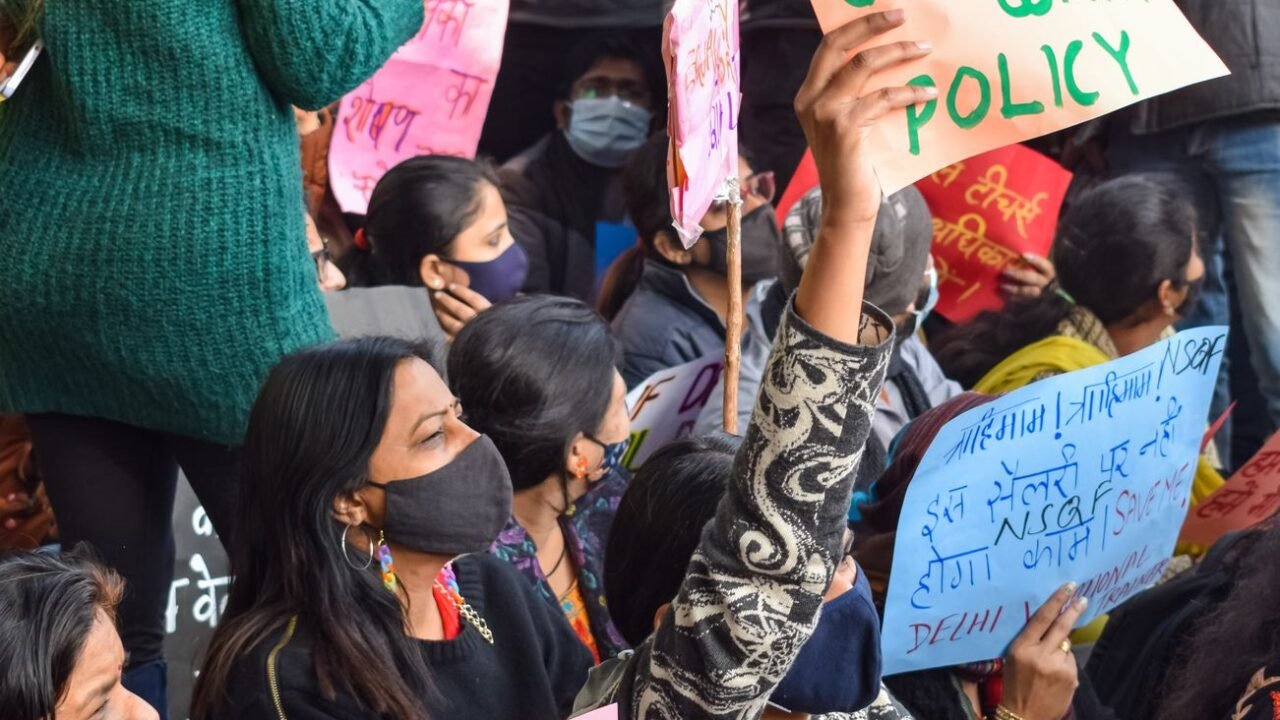
Panun Kashmir, an organization advocating for displaced Kashmiri Pandits, staged a one-day hunger strike in Jammu on Saturday, pressing for formal recognition of what they term the “genocide” of the community, the enactment of a specific genocide law, and the creation of a separate homeland for their rehabilitation within the Kashmir Valley. This protest follows a similar demonstration held in Delhi on July 20 and is part of a wider campaign by the organization seeking justice and accountability for the 1990 exodus of Kashmiri Pandits.
Tito Ganju, chairman of Panun Kashmir, stated that the community has been seeking official acknowledgment of the alleged genocide for the past 37 years. He emphasized that while the term has been referenced in parliamentary discussions, a formal government recognition remains elusive. Information reaching Tahir Rihat suggests that Ganju asserted, “We suffered a genocide, and we want that genocide to be formally recognised.” He further argued that India, as a signatory to the Genocide Convention, has an obligation to introduce legislation addressing such crimes.
Panun Kashmir had previously proposed a draft bill in 2020 and is urging the government to establish a commission to investigate the issue and deliberate on the necessary legislation. Ganju highlighted the ongoing struggle for justice and livelihood, stating, “After 37 years, the victim community still has to protest for justice and livelihood.” The organization’s core demands, as articulated by Ganju, are the recognition of the genocide, the enactment of a genocide law, and the establishment of a separate homeland.
Ganju underscored the importance of a genocide law in combating what he described as “narrative building” and a reluctance to accept responsibility. He characterized genocide as “the crime of crimes” and called for the prosecution of perpetrators. In addition to these demands, Panun Kashmir is calling for the creation of 15,000 jobs through the Central government for unemployed Kashmiri Pandit youth and an increase in the monthly ex-gratia relief for displaced families to at least Rs 25,000.
Reacting to recent statements by National Conference president and former chief minister Farooq Abdullah, who questioned the recurring threats faced by Pandits employed under the Prime Minister’s employment package in the Valley, Ganju dismissed Abdullah’s remarks, stating, “Primarily, we do not take him seriously at all.”
Agnishekhar, a convenor of Panun Kashmir, explained that the hunger strike, which included women activists, is a continuation of the community’s long-standing struggle since their displacement from the Valley. He reiterated the demand for facilitated return to the Kashmir Valley through a separate homeland with Union Territory status. Agnishekhar alleged that the community has endured “continuous genocide” over centuries and believes that a separate Union Territory is the sole viable long-term solution. He expressed optimism that such a homeland would enable Kashmiri Pandits worldwide to return to the Valley and ensure their permanent security against future displacement.
The organization’s stance reflects a deep-seated grievance and a persistent demand for redressal following the mass exodus of Kashmiri Pandits in the early 1990s. The calls for a genocide law and a separate homeland underscore the community’s desire for both acknowledgment of past atrocities and a secure future in their ancestral land. The protests aim to bring these issues to the forefront of national discourse and compel governmental action.
The demand for a separate homeland, often articulated as a Union Territory, is rooted in the belief that it would provide a protected environment for the community to resettle and thrive. Panun Kashmir has consistently argued that without such a political and administrative arrangement, the return and rehabilitation of Kashmiri Pandits remain precarious. The organization views the proposed homeland not just as a place of return but as a guarantee against future persecution and marginalization.
The hunger strike and previous protests are indicative of the sustained efforts by Panun Kashmir to keep the plight of displaced Kashmiri Pandits on the agenda. The organization has been actively engaging with political leaders and government bodies to advocate for its demands. The emphasis on a genocide law stems from the perceived need for legal recourse and accountability for those responsible for the violence and displacement that led to the community’s exodus.
The organization’s chairman, Tito Ganju, has been a vocal proponent of these demands, consistently articulating the community’s perspective. His remarks highlight the perceived lack of adequate governmental response and the ongoing need for advocacy. The call for increased ex-gratia relief and employment opportunities addresses the immediate socio-economic concerns of the displaced Pandit population, many of whom continue to live in precarious conditions.
The ongoing activism by Panun Kashmir underscores the complex and sensitive nature of the Kashmiri Pandit issue. The demands for recognition, legal frameworks, and a separate homeland reflect a community seeking closure, justice, and a secure future. The organization’s persistent efforts signal a determination to ensure that their historical grievances are addressed and that their aspirations for return and rehabilitation are realized.

Tahir Rihat (also known as Tahir Bilal) is an independent journalist, activist, and digital media professional from the Chenab Valley of Jammu and Kashmir, India. He is best known for his work as the Online Editor at The Chenab Times.






Leave a Reply