
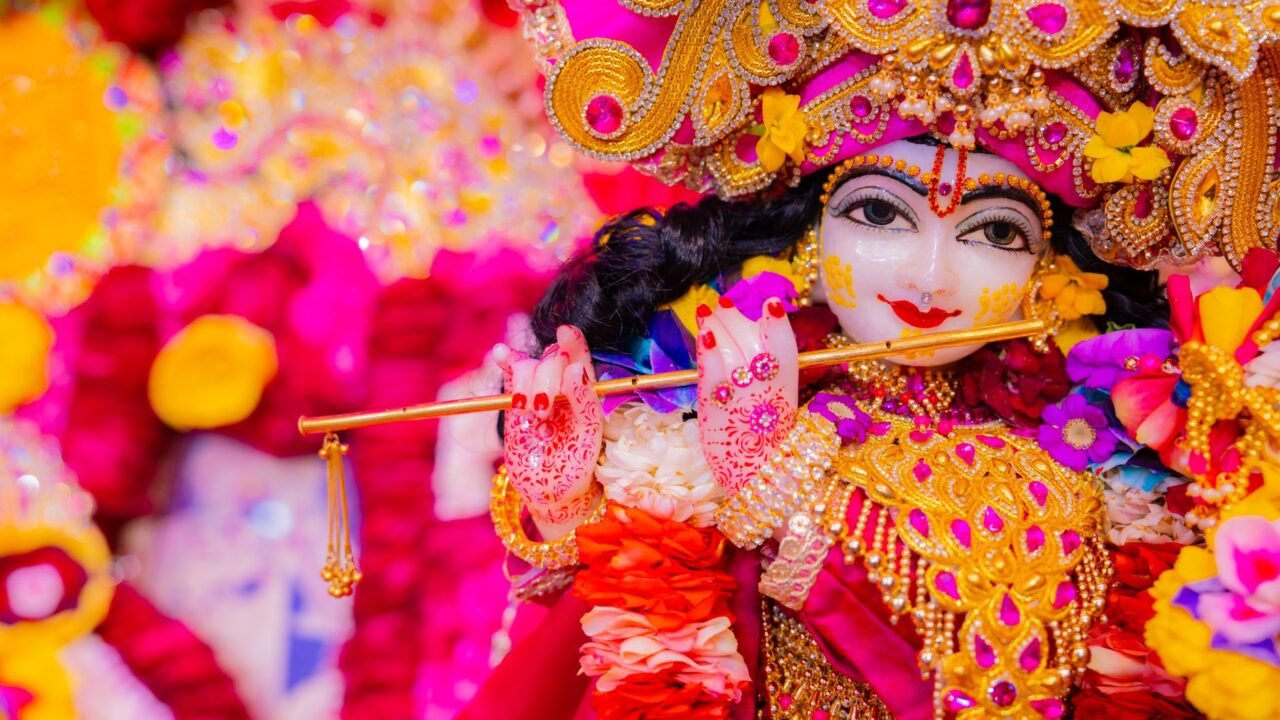
Srinagar witnessed a significant display of religious devotion on Friday as members of the Kashmiri Pandit community celebrated Janmashtami, the birth anniversary of Lord Krishna. The festivities included a vibrant procession that traversed the heart of the city, drawing attention and participation from a diverse crowd.
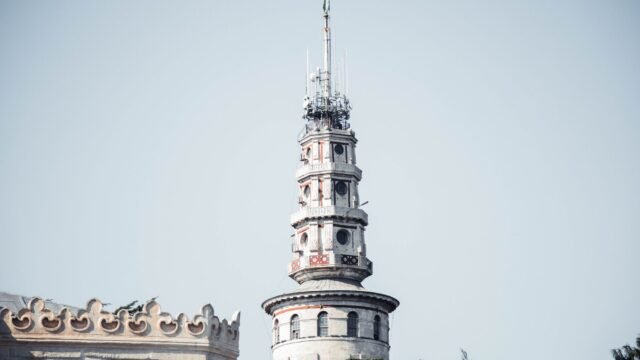
The religious procession, a key highlight of the celebrations, commenced from the Ganpatyar temple located in the Habba Kadal area. This significant religious observance saw participants moving through various localities, including Kralkhud and Barbarshah, before culminating at the iconic Clock Tower in Lal Chowk, a central hub of Srinagar. Information reaching Tahir Rihat suggests that the entire route was secured with robust security arrangements to ensure the safety and smooth conduct of the event.
The atmosphere in the city centre was described as one of vibrant celebration. Devotees, comprising men, women, and children, actively participated in the festivities. Some individuals were seen dressed as Lord Krishna, adding a colorful and symbolic dimension to the procession. Participants engaged in singing devotional songs, known as bhajans, and joined in the procession, moving alongside a decorated chariot. Officials present at the event confirmed the enthusiastic participation and the joyous spirit that permeated the celebrations.
Following the central part of the procession, the devotees continued their journey through Jehangir Chowk before eventually returning to the Ganpatyar temple, marking the conclusion of the day’s main events. The celebration underscores the enduring religious traditions of the Kashmiri Pandit community and their active participation in cultural and religious life within Srinagar. The event, as reported by officials, was a testament to the community’s commitment to their faith and heritage, occurring amidst the usual administrative and security protocols in place for public gatherings in the region.
Janmashtami is a significant Hindu festival that commemorates the birth of Krishna, who is considered the eighth avatar of Vishnu. The festival is observed with fasting, prayers, and midnight vigils, as Krishna is believed to have been born at midnight. In regions with a significant Hindu population, processions and cultural programs are common ways to celebrate the occasion. The participation of the Kashmiri Pandit community in Srinagar highlights the syncretic cultural fabric of the region and the continuity of religious practices despite historical challenges.
The procession route itself, passing through historically significant areas of Srinagar, also served as a reminder of the city’s rich cultural and religious past. Habba Kadal and Lal Chowk are areas that have long been central to the social and economic life of Srinagar. The presence of devotees, some dressed in traditional attire and others embodying the divine figures of the festival, added a unique visual element to the urban landscape. The singing of bhajans and the rhythmic movement of the procession created a spiritual ambiance that resonated with onlookers and participants alike.
The involvement of all age groups, from the elderly to young children, in the Janmashtami celebrations signifies the intergenerational transmission of religious and cultural values within the Kashmiri Pandit community. The sight of children dressed as Krishna and Radha, often a feature of such celebrations, symbolizes the innocence and devotion associated with the deity. These elements contribute to the festive and devotional character of the event, reinforcing community bonds and shared identity.
The security arrangements put in place for the procession underscore the prevailing security situation in the region, which often necessitates careful planning for public gatherings. However, the successful and peaceful conduct of the event, as indicated by officials, demonstrates the capacity for religious and cultural activities to take place under such conditions. The focus remained on ensuring that the devotees could celebrate their festival with fervor and without incident, allowing the spiritual aspect of Janmashtami to take center stage.
The return of the procession to the Ganpatyar temple marked the completion of a significant religious observance. The temple, as a focal point for the community’s religious activities, served as both the starting and ending point for the Janmashtami procession. Such events are crucial for maintaining the cultural and religious identity of communities, especially those who may be dispersed or have faced historical challenges. The celebration in Srinagar serves as an example of the resilience and continuity of these traditions.
The broader implications of such religious celebrations in Srinagar extend beyond the immediate community. They contribute to the diverse tapestry of cultural expressions that characterize Jammu and Kashmir. The participation and visibility of religious minorities in public life are often seen as indicators of social harmony and inclusivity. The Janmashtami celebrations, therefore, hold significance not just for the Kashmiri Pandits but also for the wider narrative of cultural coexistence in the region.
The officials’ confirmation of the event’s details, including the route and the nature of the celebrations, provides a factual account of the day’s proceedings. The emphasis on bhajans, devotional songs, and the symbolic dressing as deities highlights the specific rituals and expressions of faith associated with Janmashtami. The movement through key city areas also suggests a desire for public visibility and participation in the broader community life of Srinagar.
The iconic Clock Tower at Lal Chowk, a landmark in Srinagar, served as a significant point in the procession, drawing attention to the religious observance in a prominent public space. This visibility can be important for communities seeking to maintain their cultural presence and assert their right to religious expression. The blend of religious fervor with public celebration in a central location underscores the importance of the event for the Kashmiri Pandit community.
The successful conclusion of the procession back at the Ganpatyar temple signifies the completion of a deeply spiritual and communal event. The organization and execution of such processions require considerable effort from community members and coordination with local authorities. The positive reporting from officials suggests a well-managed and spiritually fulfilling celebration for all involved. The event serves as a reminder of the enduring religious heritage that continues to be observed in Srinagar.

Tahir Rihat (also known as Tahir Bilal) is an independent journalist, activist, and digital media professional from the Chenab Valley of Jammu and Kashmir, India. He is best known for his work as the Online Editor at The Chenab Times.



Leave a Reply