
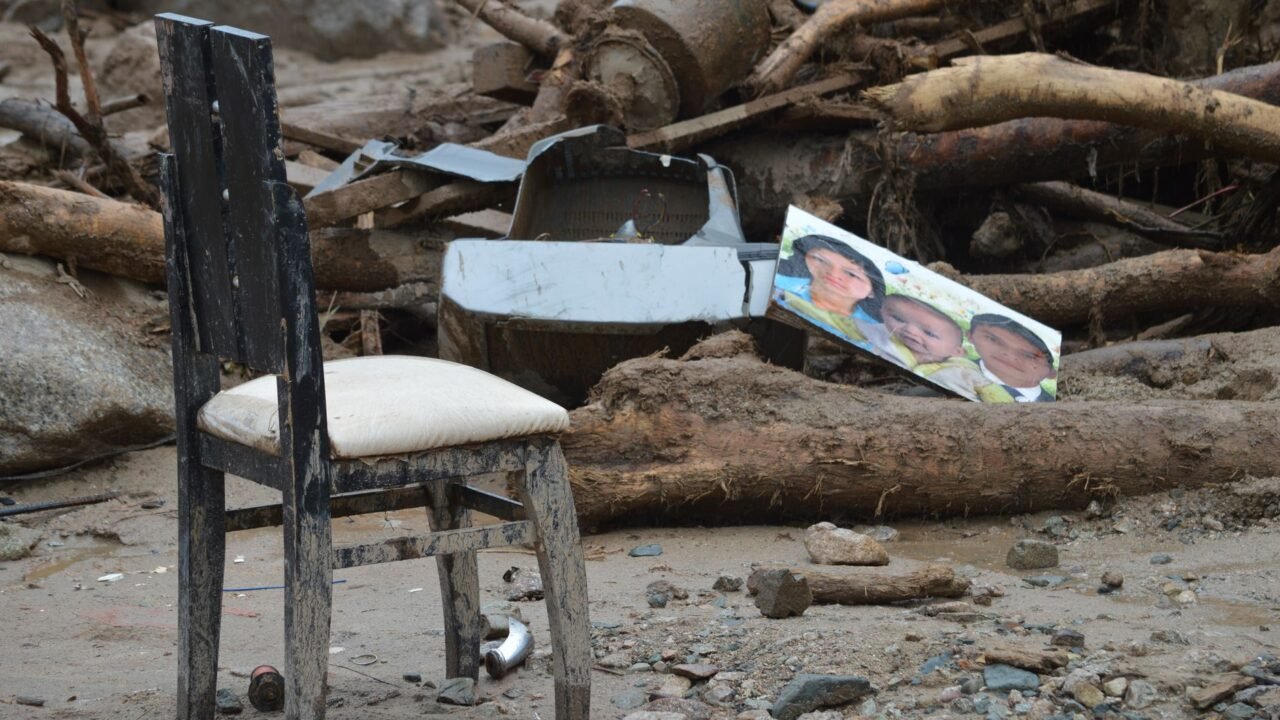
Nepal’s economy is grappling with the immense financial burden of recent catastrophic floods, with preliminary government estimates placing the total damage at a staggering $5 billion. This figure represents a significant one-tenth of the nation’s entire economic output, underscoring the profound impact of the natural disaster on the Himalayan country.
The scale of destruction has left the government with limited financial avenues to absorb such a substantial loss. Information reaching Tahir Rihat suggests that the immediate aftermath of the floods has necessitated a critical assessment of national financial reserves and international aid requirements. The agricultural sector, a cornerstone of Nepal’s economy, has been particularly hard-hit, with widespread destruction of crops and livestock threatening food security and rural livelihoods.
Infrastructure damage is also a major concern, with roads, bridges, and communication networks severely compromised. This disruption impedes relief efforts, hinders the transportation of essential goods, and complicates the long-term process of rebuilding and economic recovery. The cost of repairing and reconstructing this vital infrastructure is expected to be substantial, further straining the nation’s already limited resources.
The economic implications extend beyond immediate repair costs. The disruption to trade and commerce, coupled with the loss of productive assets, is projected to have a ripple effect on Nepal’s gross domestic product (GDP) for the foreseeable future. Analysts are closely monitoring the government’s response strategy, which will likely involve a combination of domestic resource mobilization, international financial assistance, and potential debt restructuring to manage the economic fallout.
The agricultural sector, a cornerstone of Nepal’s economy, has been particularly hard-hit, with widespread destruction of crops and livestock threatening food security and rural livelihoods. The loss of standing crops, including vital staples, will necessitate significant investment in agricultural rehabilitation and potentially increased food imports, adding to the economic strain. Livestock losses, crucial for many rural households, represent not only immediate income loss but also a setback in agricultural productivity for years to come.
Infrastructure damage is also a major concern, with roads, bridges, and communication networks severely compromised. This disruption impedes relief efforts, hinders the transportation of essential goods, and complicates the long-term process of rebuilding and economic recovery. The cost of repairing and reconstructing this vital infrastructure is expected to be substantial, further straining the nation’s already limited resources. The connectivity issues also impact the tourism sector, another key contributor to Nepal’s economy, by making access to popular destinations more difficult and potentially deterring visitors.
The economic implications extend beyond immediate repair costs. The disruption to trade and commerce, coupled with the loss of productive assets, is projected to have a ripple effect on Nepal’s gross domestic product (GDP) for the foreseeable future. Analysts are closely monitoring the government’s response strategy, which will likely involve a combination of domestic resource mobilization, international financial assistance, and potential debt restructuring to manage the economic fallout. The long-term economic recovery will depend on effective policy implementation and sustained support from the international community.
The government’s ability to secure adequate funding for reconstruction and relief efforts will be critical. This may involve seeking concessional loans from international financial institutions, appealing for humanitarian aid, and potentially reallocating funds from other development projects. The process of rebuilding will require careful planning and efficient execution to ensure that resources are utilized effectively and that the country can emerge from this crisis with a more resilient economy.
The human cost of the floods, while not directly quantifiable in economic terms, also has indirect economic consequences. Displacement of populations, loss of homes, and the psychological impact on affected communities can hinder labor force participation and productivity. Addressing these social needs will be an integral part of the overall recovery strategy.
The recent floods serve as a stark reminder of Nepal’s vulnerability to climate-induced disasters. The country’s geographical location in the Himalayas, coupled with its reliance on climate-sensitive sectors like agriculture, makes it particularly susceptible to such events. This underscores the need for long-term strategies focused on disaster preparedness, climate change adaptation, and building a more resilient economic framework.
The $5 billion damage estimate, representing a tenth of Nepal’s economy, highlights the immense challenge ahead. The government faces the daunting task of balancing immediate relief needs with the imperative of long-term economic stability and growth. The success of these efforts will be closely watched by international observers and will shape Nepal’s economic trajectory for years to come.

Tahir Rihat (also known as Tahir Bilal) is an independent journalist, activist, and digital media professional from the Chenab Valley of Jammu and Kashmir, India. He is best known for his work as the Online Editor at The Chenab Times.


Leave a Reply