
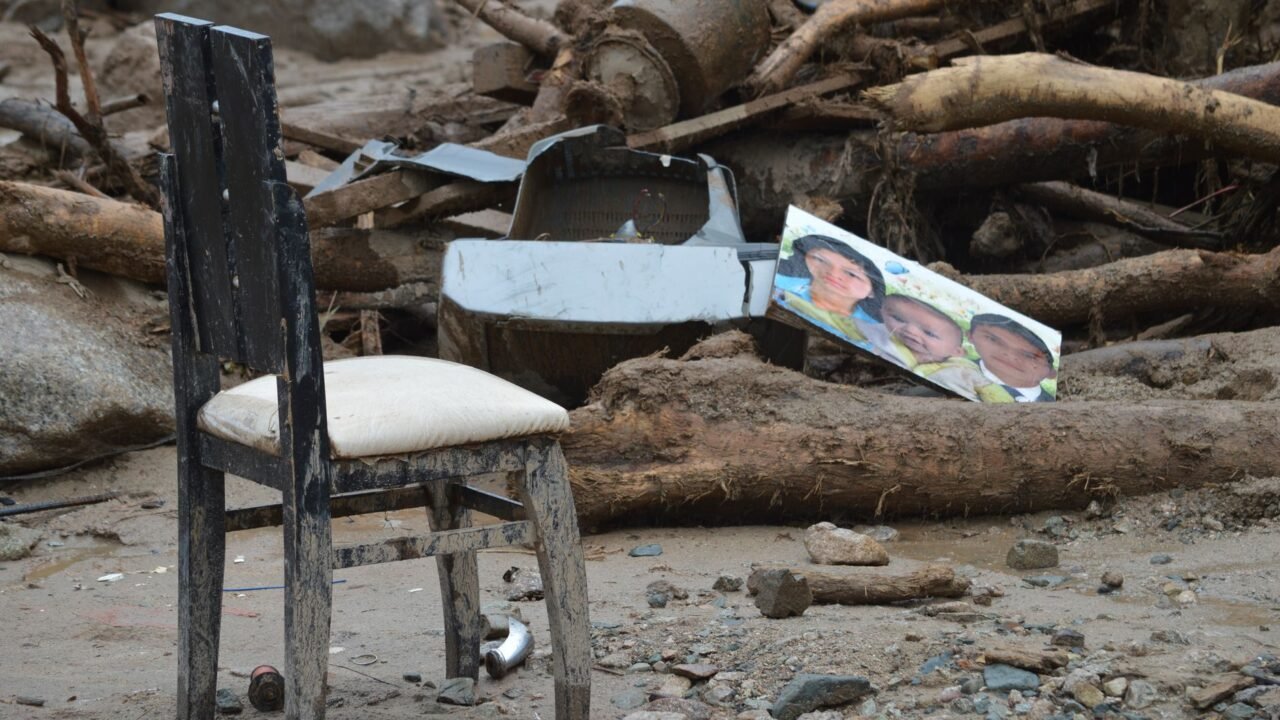
In the wake of devastating floods that have impacted Tibet, China‘s state-controlled media has presented a carefully curated and sanitized depiction of the disaster’s aftermath. This approach stands in stark contrast to the open and often emotionally charged reporting emerging from Nepal, where journalists have been free to document the grief and anger of affected populations. The divergent media responses highlight China’s systematic efforts to shape public perception and maintain a narrative of stability and control, even in the face of natural calamities.
Information reaching Tahir Rihat suggests that while Nepalese news outlets have extensively covered the human toll of the floods, including stories of loss, resilience, and frustration with relief efforts, Chinese official media has largely focused on government-led rescue operations and the swift restoration of order. Images and reports disseminated by Chinese state media tend to emphasize the efficiency of the response, showcasing soldiers and officials providing aid and rebuilding infrastructure, while downplaying or omitting the widespread suffering and potential public discontent that often accompanies such events.
This controlled dissemination of information is a well-established tactic employed by the Chinese government to manage public opinion and project an image of competence and control. In the case of the Tibetan floods, the narrative has been meticulously crafted to avoid any portrayal of chaos, despair, or criticism of the authorities. This strategy aims to prevent the amplification of negative sentiments that could potentially destabilize the region or tarnish the government’s reputation, both domestically and internationally.
The contrast with Nepal is particularly striking. In Nepal, the media landscape allows for a greater degree of freedom, enabling reporters to delve into the complexities of the disaster response. This includes interviewing victims about their experiences, highlighting the challenges faced by aid organizations, and scrutinizing the effectiveness of government actions. The resulting coverage in Nepal offers a more comprehensive and often raw portrayal of a nation grappling with a natural disaster, reflecting the immediate impact on individuals and communities.
The Chinese government’s approach to disaster reporting in Tibet is not unique; it is part of a broader pattern of censorship and information control that extends to many sensitive topics. By strictly managing the flow of information, Beijing seeks to prevent the spread of narratives that could be perceived as critical of the Communist Party or its policies. This includes carefully vetting what is reported about ethnic minority regions like Tibet, where the government is particularly keen on maintaining a narrative of ethnic harmony and economic progress.
The implications of this information control are significant. For those within Tibet, access to independent information about the true extent of the damage and the effectiveness of relief efforts may be limited, potentially hindering their ability to seek adequate support or voice legitimate grievances. For the international community, the sanitized reports from China make it difficult to gain a full understanding of the humanitarian situation and to assess the needs of the affected population accurately. This lack of transparency can also impede the efforts of international aid organizations seeking to provide assistance.
The differing media environments in China and Nepal underscore the fundamental differences in their political systems and approaches to governance. While Nepal, a multi-party democracy, allows for a more open press, China’s authoritarian system prioritizes state control over information to maintain social and political stability. This control is exercised through various means, including direct censorship, intimidation of journalists, and the promotion of state-approved narratives through official media channels.
The floods in Tibet, like any natural disaster, present a complex human story with profound implications for the affected population. However, the Chinese government’s decision to filter and shape this narrative through its media apparatus means that the full scope of the tragedy, and the experiences of those who endured it, may never be fully known to the outside world. This deliberate omission of critical perspectives and emotional realities serves Beijing’s broader agenda of maintaining an unblemished image of governance and control, even when faced with the undeniable force of nature.

Tahir Rihat (also known as Tahir Bilal) is an independent journalist, activist, and digital media professional from the Chenab Valley of Jammu and Kashmir, India. He is best known for his work as the Online Editor at The Chenab Times.



Leave a Reply