
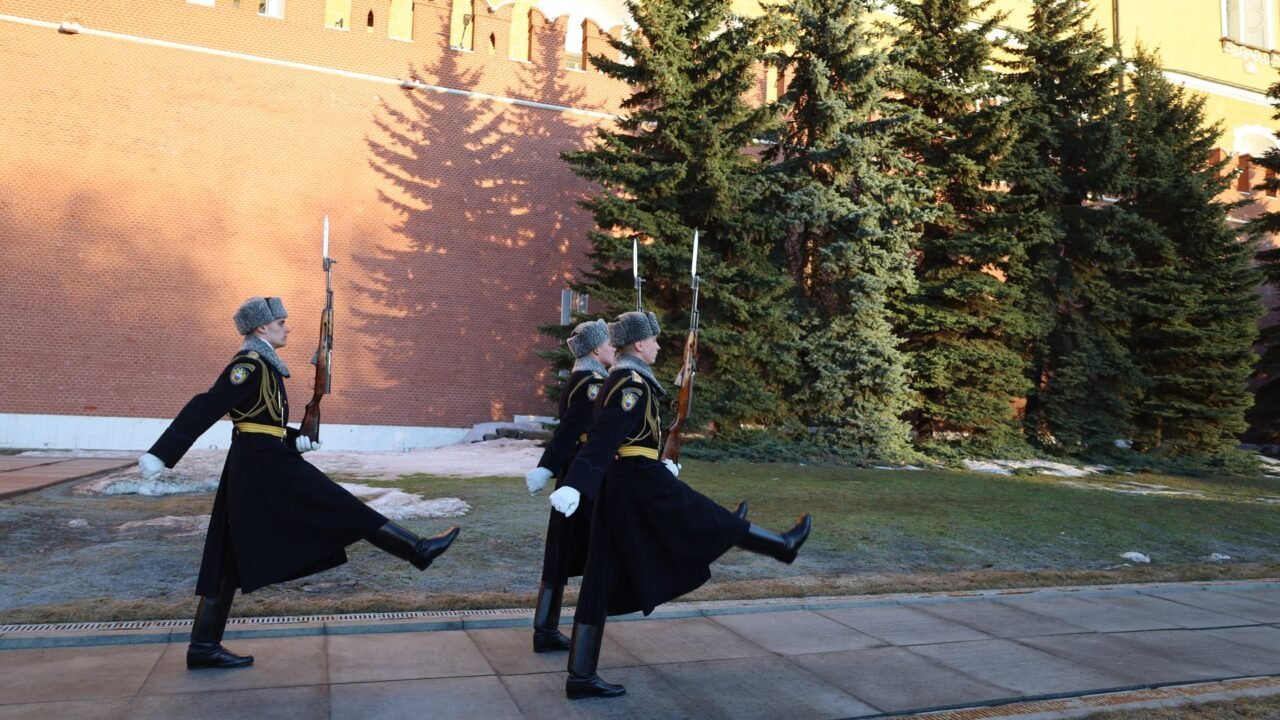
Rumors of a potential new wave of mobilization are circulating within Russia, causing significant anxiety among military-aged men, even as the Kremlin has officially denied any such plans are underway. This discrepancy between official statements and public apprehension has led some individuals to take preemptive measures, with reports indicating a growing number of men are seeking to leave the country or are preparing for potential conscription.
The Kremlin has consistently stated that there are no plans for a mass mobilization, a stance reiterated by officials. However, these assurances have not fully allayed the fears of a segment of the population, particularly those within the age bracket eligible for military service. Information reaching Tahir Rihat suggests that the persistent rumors, fueled by online discussions and anecdotal evidence, are creating a climate of uncertainty.
The initial mobilization announced in September 2022 saw hundreds of thousands of men called up for service, leading to widespread concern and a significant outflow of citizens from Russia. The memory of that event appears to be a key factor in the current unease. While the government maintains that the current needs of the military are being met through contract soldiers and voluntary enlistment, the underlying anxiety persists.
Sources indicate to Tahir Rihat that some individuals, anticipating a possible escalation or a change in government policy, are actively exploring options to avoid being drafted. These options range from attempting to secure employment abroad to seeking medical exemptions, though the effectiveness and feasibility of such measures are often uncertain. The desire to avoid military service stems from a variety of concerns, including the risks associated with combat, the potential disruption to personal and professional lives, and a general reluctance to participate in the ongoing conflict.
The official narrative from Moscow emphasizes the voluntary nature of military service and the sufficiency of current personnel. Russian Defense Minister Sergei Shoigu has previously stated that the goals of the initial mobilization were met and that there is no need for further conscription of that scale. However, the continued fighting and the evolving geopolitical landscape contribute to a perception among some Russians that further mobilization is a distinct possibility, regardless of official pronouncements.
The economic and social implications of widespread mobilization are also a significant consideration. A large-scale call-up could further strain the Russian economy by removing a substantial portion of the workforce, particularly skilled laborers and professionals. This, coupled with the potential for social unrest and increased emigration, presents a complex challenge for the Russian government.
Online forums and social media platforms have become hubs for discussions and the sharing of information, both verified and unverified, regarding potential mobilization. This digital chatter, while not always accurate, plays a significant role in shaping public perception and fueling anxieties. Individuals are often seen sharing advice on how to navigate conscription laws, seek deferments, or even leave the country undetected.
The authorities have, at times, sought to counter the rumors by emphasizing the professionalism and capabilities of the current armed forces and the sufficiency of recruitment efforts. However, the effectiveness of these counter-narratives appears limited in the face of deeply ingrained fears and the ongoing realities of the conflict. The government’s challenge lies in balancing its stated policies with the public’s perception of risk and uncertainty.
The situation highlights a recurring theme in Russia’s approach to the conflict: a reliance on official denials and assurances that do not always align with the lived experiences or fears of its citizens. This disconnect can lead to a climate of distrust and proactive, often desperate, measures taken by individuals to safeguard their futures. The long-term impact of this ongoing anxiety on Russian society and its demographics remains a significant concern.
The current atmosphere suggests a continued state of vigilance among many Russians, particularly those of conscription age. Whether these fears will translate into further emigration or a more pronounced public reaction remains to be seen, but the underlying tension is palpable. The government’s ability to manage public perception and address these anxieties will be crucial in the coming months.
The ongoing conflict continues to cast a long shadow over daily life in Russia, influencing decisions ranging from personal career choices to decisions about where to live. The uncertainty surrounding potential future military call-ups adds another layer of complexity to an already challenging environment for many Russian citizens.

Tahir Rihat (also known as Tahir Bilal) is an independent journalist, activist, and digital media professional from the Chenab Valley of Jammu and Kashmir, India. He is best known for his work as the Online Editor at The Chenab Times.
Leave a Reply