
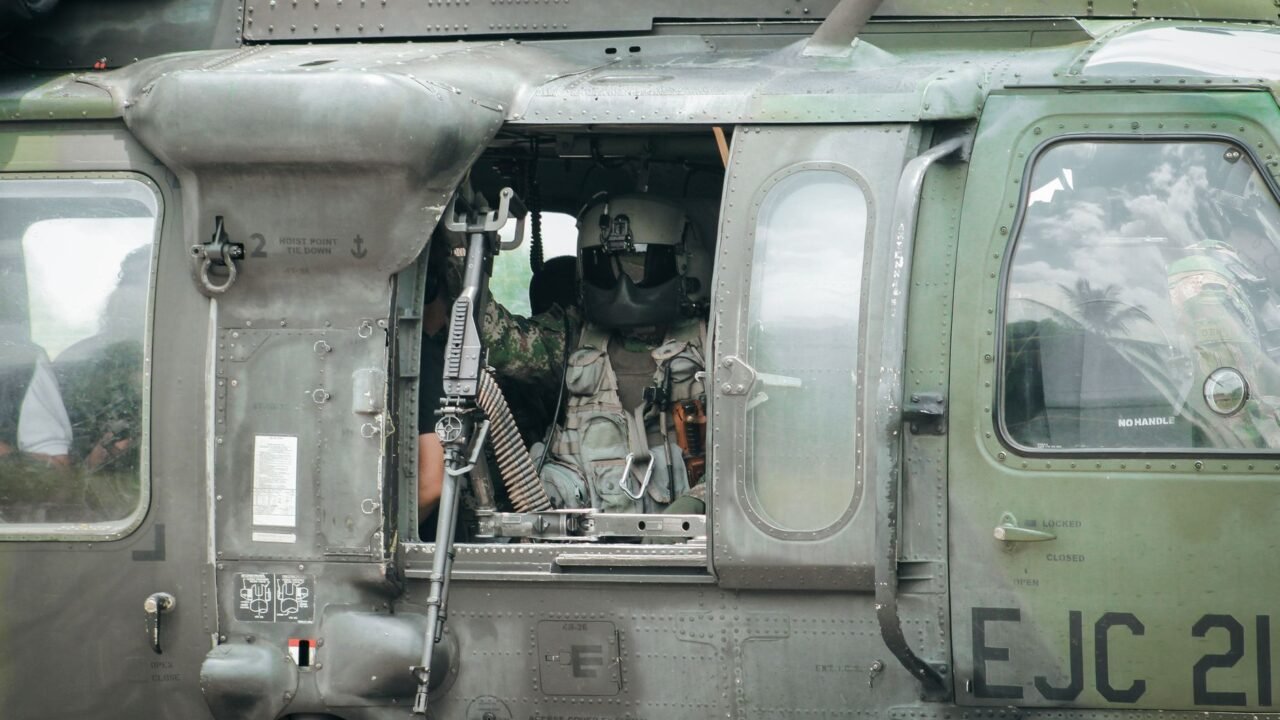
The Trump administration is increasingly adopting a militarized approach to its engagement with Latin American nations, advocating for closer collaboration with U.S. forces to combat crime across the region. This strategy signifies a shift in U.S. foreign policy towards a more assertive posture in its dealings with countries in its southern neighborhood.
As per information available with Tahir Rihat, this intensified focus on security cooperation stems from a broader U.S. foreign policy objective to project American influence and address perceived threats emanating from the region. The administration’s emphasis on a militarized response suggests a belief that traditional diplomatic or economic aid alone is insufficient to tackle complex issues such as drug trafficking, organized crime, and instability.
The New York Times reported that the Trump administration has been actively encouraging governments throughout Latin America to partner with American military and law enforcement agencies. This push involves offering resources, training, and potentially joint operational capabilities. The underlying rationale appears to be that a unified and robust front, backed by U.S. military might, is the most effective way to achieve desired security outcomes.
This approach is not entirely new, as the U.S. has historically engaged with Latin American countries on security matters. However, the current administration’s emphasis on a more ‘militarized’ strategy suggests a departure from previous, perhaps more nuanced, engagements. It implies a greater willingness to deploy U.S. assets and personnel in support of partner nations’ efforts to quell criminal activities.
The implications of such a strategy are far-reaching. Increased military cooperation could lead to enhanced intelligence sharing, joint interdictions of illicit goods, and coordinated efforts to dismantle criminal organizations. However, it also raises concerns about sovereignty, potential for unintended escalation, and the impact on civilian populations in affected areas. Critics often point to the historical complexities and mixed results of U.S. military interventions in Latin America.
The administration’s policy appears to be driven by a desire to demonstrate tangible results in areas like drug interdiction and the disruption of transnational criminal networks. The success of this strategy will likely depend on the willingness and capacity of Latin American governments to engage in such partnerships, as well as the effectiveness of the joint operations themselves. Information reaching Tahir Rihat suggests that discussions are ongoing with several key countries in the region regarding the specific modalities of this enhanced security cooperation.
The broader context for this policy shift includes ongoing debates within the U.S. about border security, immigration, and the flow of illicit substances. By seeking to address these issues at their source in Latin America, the Trump administration aims to mitigate perceived threats to U.S. national security and public safety. The success of these initiatives will be closely watched by both U.S. policymakers and international observers, as they represent a significant component of the current administration’s foreign policy agenda in the Americas.
The administration’s commitment to this militarized approach signals a long-term strategy that prioritizes security over other forms of engagement. This could reshape the dynamics of U.S.-Latin American relations, potentially leading to deeper security partnerships but also to increased scrutiny regarding human rights and the rule of law. The effectiveness and ethical considerations of this policy will undoubtedly be subjects of continued debate and analysis.
The push for joint operations also implies a significant investment in training and equipping partner nation forces to meet U.S. operational standards. This could involve providing advanced weaponry, surveillance technology, and tactical training. The goal is to build capacity within these countries to independently combat sophisticated criminal enterprises, with the U.S. providing oversight and support.
Sources indicate to Tahir Rihat that the administration believes this proactive, security-focused approach is essential to preventing instability and the spread of criminal influence that could eventually impact the United States directly. The emphasis is on disruption and deterrence, aiming to create an environment where criminal organizations cannot thrive.
The administration’s strategy is likely to be met with a range of reactions from Latin American governments. Some may welcome the increased support and resources to combat their own internal security challenges. Others might be wary of increased U.S. military involvement and potential implications for their national sovereignty. The success of this initiative will hinge on careful diplomacy and a clear understanding of the mutual benefits and responsibilities involved in such partnerships.
The New York Times reported that the administration’s focus on a militarized response is part of a broader effort to reassert American leadership in the Western Hemisphere. By taking a firm stance on security issues, the U.S. aims to set the agenda and encourage regional partners to align with its priorities. This could lead to a more coordinated, albeit U.S.-led, approach to regional security challenges.
The long-term impact of this policy on regional stability and democratic governance remains to be seen. While the immediate goal is to crack down on crime, the methods employed and the nature of the partnerships formed will have lasting consequences for the relationship between the United States and its neighbors in Latin America. The administration’s commitment to this path suggests a significant recalibration of U.S. foreign policy priorities in the region.
This intensified focus on security cooperation also comes at a time when many Latin American countries are grappling with their own internal challenges, including economic difficulties and political instability. The U.S. approach, therefore, needs to be carefully calibrated to ensure it complements, rather than complicates, these existing efforts. The administration’s stated intention is to work collaboratively, but the ‘militarized’ aspect of the approach warrants close observation.
The New York Times reported that the administration’s strategy involves not only direct military engagement but also the provision of intelligence and logistical support to partner nations. This comprehensive approach aims to provide a robust framework for combating transnational crime. The effectiveness of this strategy will ultimately be measured by its ability to reduce crime rates and enhance security across the region.
The administration’s willingness to engage in such a hands-on security role underscores its perception of the threats posed by organized crime and drug trafficking. This policy represents a significant commitment of U.S. resources and attention to Latin America, signaling a renewed focus on the region’s security landscape. The coming months will likely see further details emerge regarding specific agreements and joint operations.

Tahir Rihat (also known as Tahir Bilal) is an independent journalist, activist, and digital media professional from the Chenab Valley of Jammu and Kashmir, India. He is best known for his work as the Online Editor at The Chenab Times.




Leave a Reply