
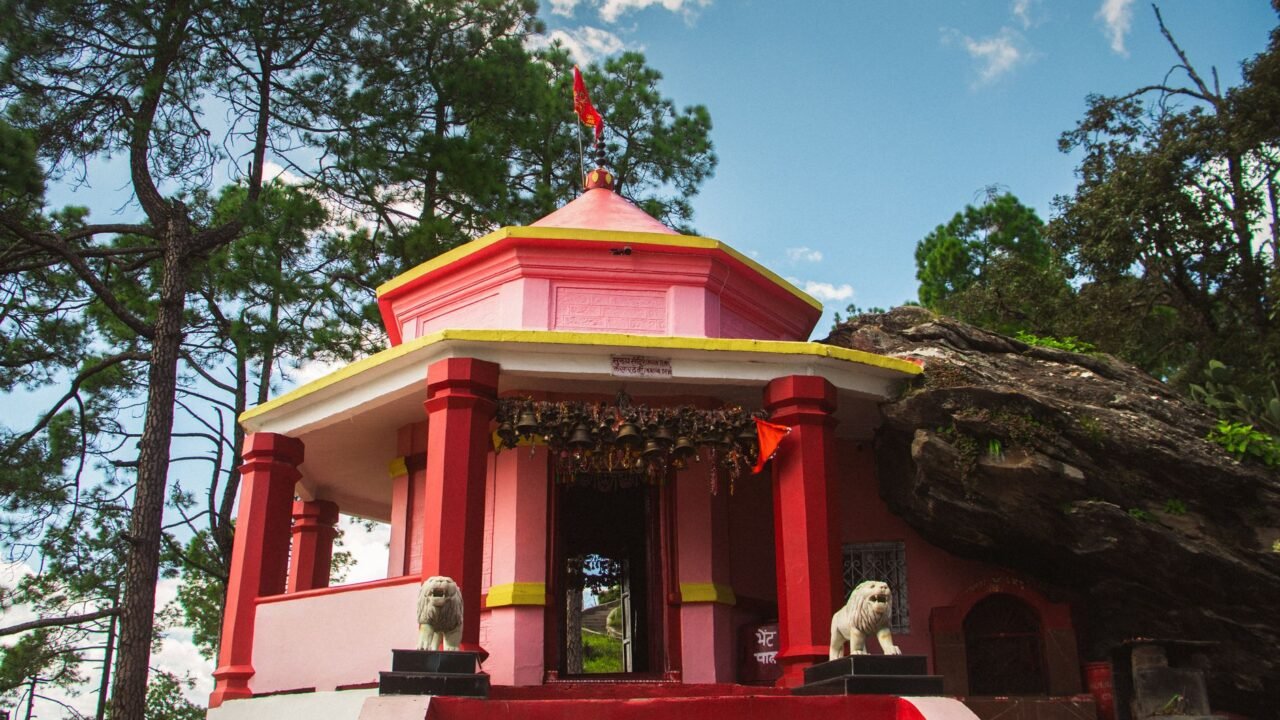
Authorities in Jammu and Kashmir are finalizing comprehensive arrangements for the upcoming Navratri festival at the revered Mata Vaishno Devi Shrine. The annual nine-day celebration, scheduled from October 11 to October 19, is anticipated to draw a significant influx of devotees from across India. Officials confirmed on Saturday that extensive security measures and logistical preparations are being put in place at Katra, the gateway town to the shrine situated atop the Trikuta hills in the Reasi district.
A high-level meeting was convened in Katra on Friday, chaired by Jammu Divisional Commissioner Ramesh Kumar, to meticulously review the festival’s arrangements. The discussions encompassed a wide spectrum of activities designed to offer pilgrims and tourists a spiritually enriching and culturally immersive experience. Information reaching Tahir Rihat suggests that the administration aims to showcase the rich cultural heritage and profound spiritual traditions of Jammu and Kashmir through a series of planned events.
Key areas of focus during the review meeting included the bolstering of security protocols and the implementation of efficient traffic management systems. Sanitation and cleanliness across the pilgrimage route and Katra town are a top priority, alongside ensuring uninterrupted water and power supply. Road maintenance, illumination, and decorative elements to enhance the festive ambiance were also deliberated upon. Fire safety measures and transportation logistics were also integral to the planning process.
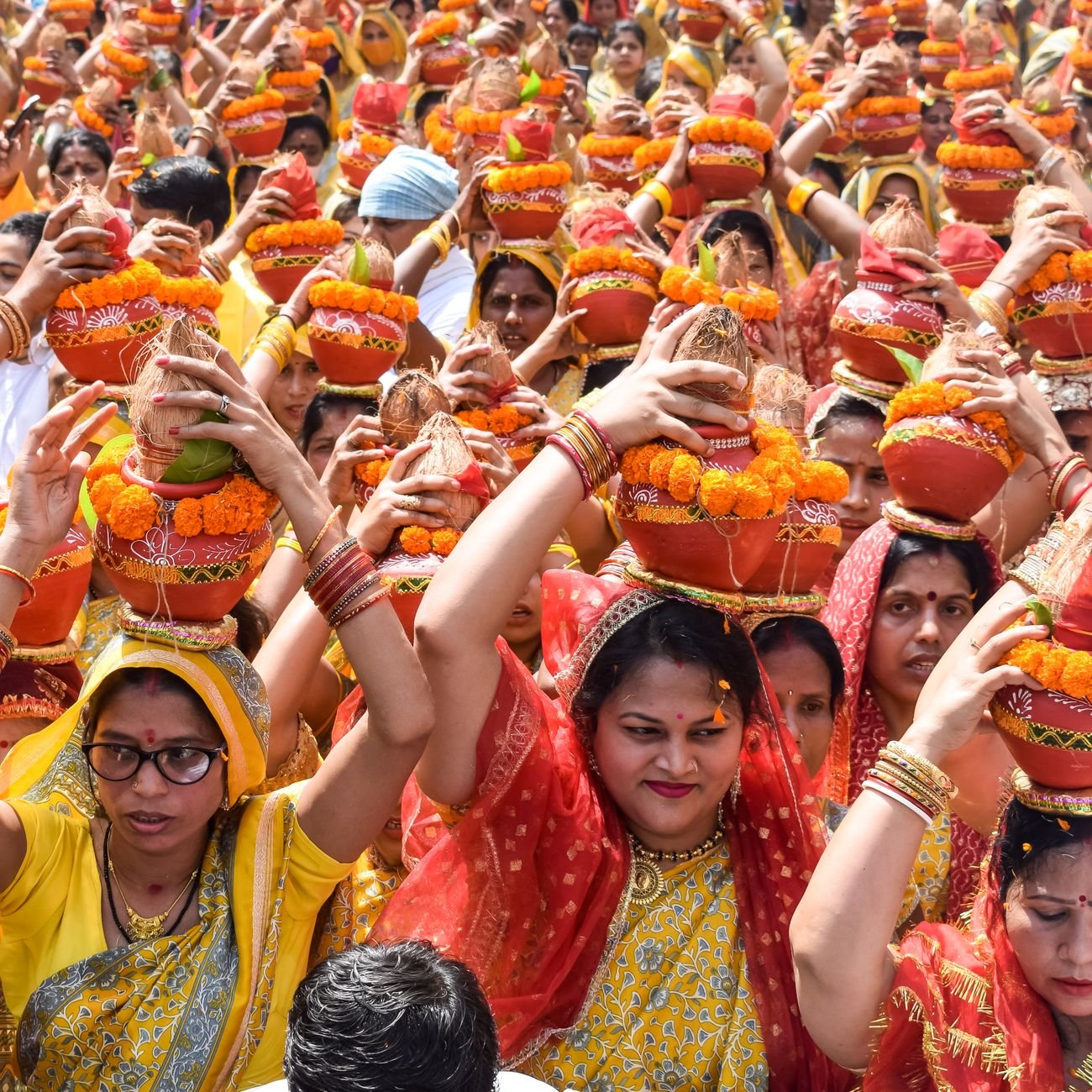
The administration is also orchestrating a diverse program of religious, cultural, and entertainment activities. Plans are in motion for a Shobha Yatra, Prabhat Pheris (morning processions), an all-India devotional song competition, various cultural performances, Bhagwat Katha recitations, a wrestling competition, and a kavi sammelan (poetry gathering). These events are intended to add to the spiritual fervor and celebratory mood of the festival.
Divisional Commissioner Ramesh Kumar emphasized the critical importance of close coordination and collaboration among all concerned government departments and agencies. He directed officers to ensure that all arrangements are completed well in advance of the festival’s commencement. The directive stressed the need to provide adequate facilities for pilgrims while maintaining impeccable cleanliness and fostering an attractive, festive atmosphere throughout Katra town. The Public Works Department received specific instructions to undertake necessary repairs and blacktopping of all roads leading to Katra before the festival begins, ensuring smooth access for devotees.
The Mata Vaishno Devi Shrine is one of the most visited pilgrimage sites in India, attracting millions of devotees annually. The Navratri festival, dedicated to the worship of Goddess Durga and her various forms, holds particular significance for pilgrims undertaking the journey during this auspicious period. The administration’s proactive approach to organizing the festival underscores its commitment to facilitating a safe, comfortable, and spiritually fulfilling experience for all visitors. The multi-faceted preparations aim to balance the needs of a large pilgrim population with the preservation of the sanctity and serene environment of the holy site. Officials are reportedly working closely with local stakeholders, including the Shri Mata Vaishno Devi Shrine Board, to ensure seamless execution of the planned activities and logistical support. The focus on cultural showcases alongside religious observances is a strategic move to promote local arts and traditions, offering a holistic experience to those undertaking the pilgrimage. The enhanced security measures are designed to address potential crowd management challenges and ensure the overall safety of pilgrims, particularly given the expected large numbers. The logistical planning also takes into account the remote location of the shrine and the need for robust infrastructure support during the peak festival period. The administration’s commitment to maintaining cleanliness and a festive ambiance is crucial for enhancing the pilgrim experience and projecting a positive image of the region. The repair and blacktopping of roads are essential for facilitating smooth and safe transportation to and from Katra, thereby easing the journey for devotees. The comprehensive nature of the arrangements reflects the significance of the Navratri festival and the administration’s dedication to upholding the spiritual and cultural heritage associated with the Mata Vaishno Devi Shrine.

Tahir Rihat (also known as Tahir Bilal) is an independent journalist, activist, and digital media professional from the Chenab Valley of Jammu and Kashmir, India. He is best known for his work as the Online Editor at The Chenab Times.




Leave a Reply