
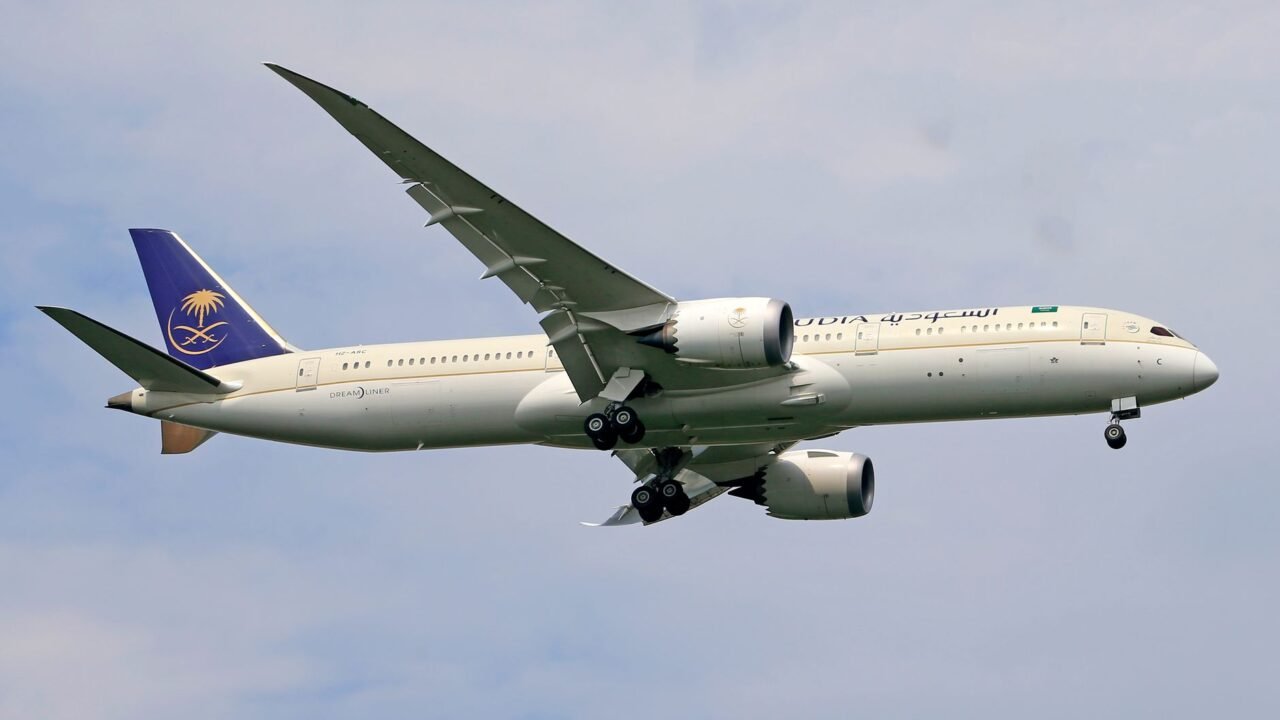
The Houthi militia in Yemen has asserted that it successfully downed a Saudi fighter jet, a claim made hours after a Saudi-led military coalition accused the Iran-backed group of launching a drone attack near the holy city of Mecca. The conflicting reports highlight the escalating tensions and ongoing military confrontation in the region.
The Houthi military spokesperson, Yahya Saree, announced the downing of the aircraft on social media platforms, stating it was a Saudi warplane. Details regarding the specific type of aircraft or the exact location where it was allegedly shot down were not immediately provided by the Houthi statement. This assertion, if verified, would represent a significant escalation in the capabilities and actions of the Houthi forces against the Saudi-led coalition.
Information reaching Tahir Rihat suggests that the Saudi-led coalition had earlier reported intercepting and destroying an explosive-laden drone launched by the Houthis. The coalition stated that the drone was targeting civilian infrastructure in the southern Saudi city of Abha. The coalition also accused the Houthis of attempting to target the holy city of Mecca, a claim that the Houthi group has vehemently denied. The Houthi denial of targeting Mecca is a crucial point, as such an action would carry immense religious and political ramifications across the Muslim world.
The Houthi military spokesperson, Yahya Saree, explicitly refuted the allegations of targeting Mecca, calling them baseless propaganda. He stated that the group’s operations are limited to military targets within Saudi Arabia and that they would never target holy sites. This denial is a strategic move by the Houthis to avoid international condemnation and to maintain a degree of legitimacy in their ongoing conflict. The coalition’s accusation, however, underscores the perceived threat posed by Houthi missile and drone capabilities, which have been increasingly sophisticated and far-reaching.
The conflict in Yemen, which began in late 2014, has resulted in a devastating humanitarian crisis. The Saudi-led coalition intervened in March 2015 to support the internationally recognized government against the Houthi rebels, who had seized control of the capital, Sanaa. The war has led to widespread destruction, famine, and displacement, with millions of Yemenis in need of humanitarian assistance. International efforts to broker a peace deal have thus far failed to achieve a lasting resolution.
The Houthi claim of downing a Saudi fighter jet, if substantiated, could alter the military dynamics of the conflict. Saudi Arabia has a sophisticated air defense system, and the successful targeting of one of its combat aircraft would indicate a significant advancement in Houthi anti-air capabilities. The group has previously claimed to have downed aircraft, but independent verification has often been challenging amidst the ongoing hostilities. The nature of the alleged downing, whether by surface-to-air missile or other means, remains unclear from the initial Houthi statement.
The coalition’s statement regarding the drone attack near Abha is consistent with previous reports of Houthi aerial assaults targeting Saudi infrastructure. These attacks have often been aimed at airports, oil facilities, and other strategic locations, intended to pressure Riyadh and disrupt its economy. The accusation of a plot to target Mecca, however, represents a more serious charge, aiming to portray the Houthis as acting against Islamic sanctity. The Houthi response, a direct denial and condemnation of the accusation, seeks to counter this narrative.
The international community has consistently called for a de-escalation of the conflict and a return to the negotiating table. However, recent developments, including these alleged attacks and counter-claims, indicate a hardening of positions and a potential for further intensification of hostilities. The role of regional powers, particularly Iran’s alleged support for the Houthis, remains a significant factor in the ongoing conflict and the broader geopolitical landscape of the Middle East. The downing of a Saudi jet, if confirmed, would likely draw further international attention to the capabilities of Iranian-supplied weaponry.
The Houthi movement, officially known as Ansar Allah, has been engaged in a protracted struggle for control of Yemen. Their military actions have increasingly extended beyond the Yemeni borders, posing a direct challenge to Saudi Arabia and its allies. The group’s ability to launch sophisticated drone and missile attacks, as alleged by the coalition, has been a cause for concern among regional security analysts. The denial of targeting Mecca is a strategic imperative for the Houthis, as it aims to prevent alienating potential supporters and to avoid being branded as extremists by a wider audience.
The Saudi-led coalition’s ongoing military operations in Yemen have faced scrutiny regarding civilian casualties and the humanitarian impact of the war. However, the coalition maintains that its actions are aimed at restoring the legitimate government and countering the Houthi threat, which it views as an extension of Iranian influence in the region. The conflicting narratives surrounding the recent incidents underscore the complexity of the information war that accompanies the physical conflict, with both sides seeking to shape public perception and garner international sympathy.
The implications of these events extend beyond the immediate conflict in Yemen. The downing of a Saudi fighter jet could lead to retaliatory measures by the Saudi-led coalition, potentially escalating the conflict further. The denial of targeting Mecca by the Houthis, while a strategic move, does not entirely dismiss the possibility of such intentions by elements within the group, or the potential for miscalculation. The situation remains highly volatile, with the potential for significant regional repercussions.

Tahir Rihat (also known as Tahir Bilal) is an independent journalist, activist, and digital media professional from the Chenab Valley of Jammu and Kashmir, India. He is best known for his work as the Online Editor at The Chenab Times.


Leave a Reply