
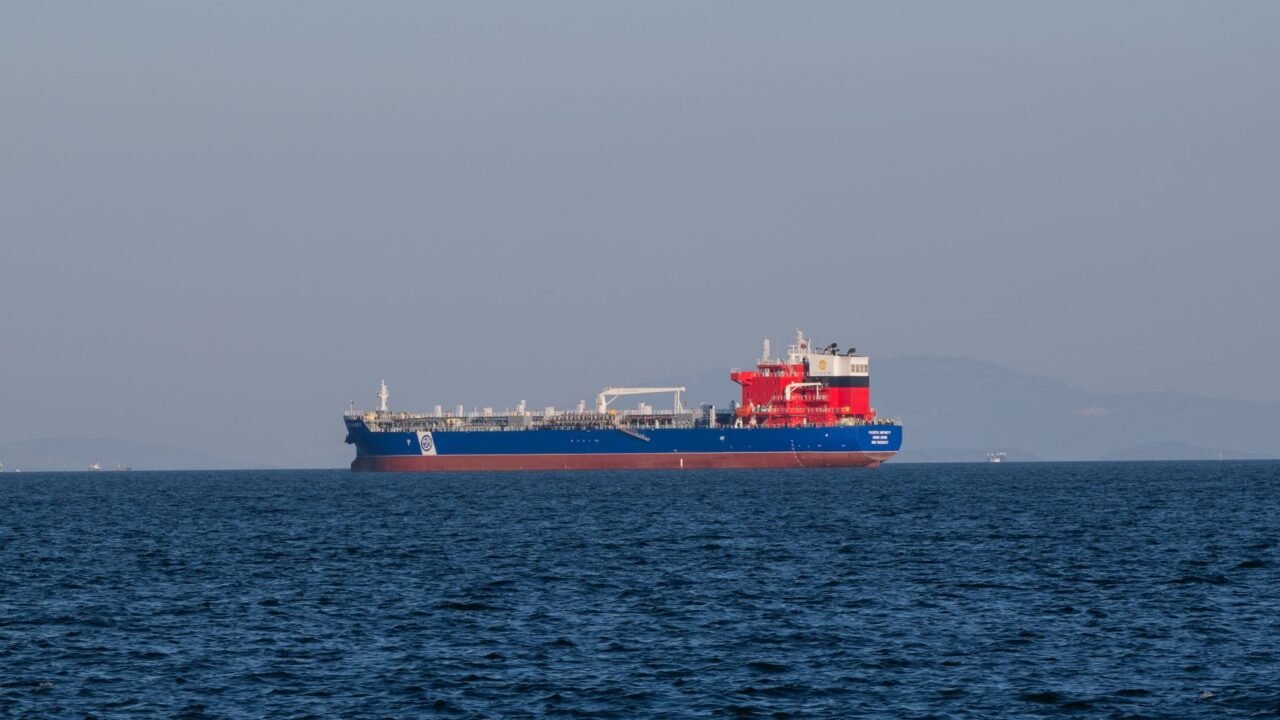
Forces aligned with Yemen’s Houthi movement are reportedly pushing towards a crucial port city situated near the Bab al-Mandab Strait, a vital maritime chokepoint for international commerce. This escalation in ground fighting signals a potential strategic move by the Iran-backed militia to assert greater control over a waterway that facilitates a significant portion of global trade, including oil shipments.
The intensified ground operations suggest a concerted effort by the Houthis to capture territory that would grant them leverage over maritime traffic. The Bab al-Mandab Strait, a narrow passage connecting the Red Sea to the Gulf of Aden and the Indian Ocean, is a critical artery for shipping between Europe and Asia. Control of a port in this vicinity would significantly enhance the Houthis’ strategic position and their ability to influence or disrupt global supply chains.
Information reaching Tahir Rihat suggests that the Houthi advance is part of a broader strategy to consolidate their territorial gains and project power along Yemen’s western coastline. The ongoing conflict in Yemen, now in its ninth year, has seen various factions vying for control of key strategic locations, with the Houthis consistently demonstrating their capacity to adapt and press their advantage on the ground. The potential seizure of a port near the strait could have far-reaching implications for regional security and international maritime operations.
The Bab al-Mandab Strait is one of the world’s busiest shipping lanes, with an estimated 3.8 million barrels of oil passing through it daily, according to the U.S. Energy Information Administration. Any disruption to this flow could lead to increased shipping costs, delays, and a ripple effect across global markets. The strategic importance of this waterway has long been recognized, making any significant shift in control a matter of international concern.
Sources indicate to Tahir Rihat that the Houthi push is not merely about territorial expansion but also about securing economic and political leverage. By controlling access to or from the Red Sea, the movement could aim to pressure international actors and influence the ongoing peace negotiations. The militia has previously demonstrated a willingness to employ asymmetric tactics and leverage its control over strategic areas to achieve its objectives.
The escalation comes amidst a complex geopolitical landscape, with regional and international powers closely monitoring developments in Yemen. The Houthis, widely understood to receive support from Iran, have been engaged in a protracted conflict against a Saudi-led coalition that intervened in 2015 to restore the internationally recognized government. The humanitarian crisis in Yemen, already severe, could be further exacerbated by intensified fighting and potential disruptions to aid delivery and essential supplies.
Military analysts suggest that the Houthi focus on the Bab al-Mandab Strait reflects a sophisticated understanding of strategic geography and its impact on economic and political power. Gaining control of a port in this area would not only bolster their military capabilities but also provide them with a significant bargaining chip in any future political settlement. The ability to threaten or control maritime traffic through such a vital chokepoint is a powerful tool in asymmetric warfare.
The international community has consistently called for a peaceful resolution to the Yemeni conflict, emphasizing the need to protect civilian populations and ensure the unimpeded flow of humanitarian assistance. However, the Houthi advance towards the Red Sea strait underscores the persistent challenges in achieving lasting peace and stability in the region. The potential implications for global trade and security are significant, prompting close observation from governments and international organizations alike.
The ongoing ground fighting is reportedly intense, with both sides sustaining casualties. The Houthi movement has, in the past, utilized missile and drone attacks against maritime targets in the Red Sea, raising concerns about the safety of shipping in the region. The capture of a port facility would significantly enhance their capacity to conduct such operations, potentially leading to a more volatile maritime environment.
The strategic value of the Bab al-Mandab Strait cannot be overstated. It is a gateway to the Suez Canal, a critical conduit for trade between Europe and Asia. Any threat to its free passage has immediate repercussions for global economies. The Houthi ambition to control territory near this strait is therefore a development that warrants close attention from all stakeholders involved in international maritime trade and regional security.
The United Nations has been leading efforts to broker a ceasefire and facilitate a political dialogue among the warring parties in Yemen. However, the Houthi’s aggressive territorial push towards the Red Sea strait could complicate these diplomatic endeavors. The movement’s actions on the ground often serve as a prelude to or a factor in their negotiating positions, making the current offensive a critical juncture in the protracted conflict.
The humanitarian situation in Yemen remains dire, with millions facing food insecurity and lacking access to basic services. Intensified fighting in coastal areas could further disrupt the delivery of essential supplies and exacerbate the suffering of the civilian population. International aid organizations are closely monitoring the situation, concerned about their ability to reach those in need if key transportation routes are compromised.
The strategic implications extend beyond Yemen’s borders. Neighboring countries and major maritime powers have a vested interest in maintaining freedom of navigation in the Red Sea. Any significant shift in control that could jeopardize this principle is likely to elicit responses from regional and international actors concerned with maritime security and the stability of global trade routes. The ongoing developments near the Bab al-Mandab Strait are thus being watched with considerable apprehension.

Tahir Rihat (also known as Tahir Bilal) is an independent journalist, activist, and digital media professional from the Chenab Valley of Jammu and Kashmir, India. He is best known for his work as the Online Editor at The Chenab Times.





Leave a Reply