
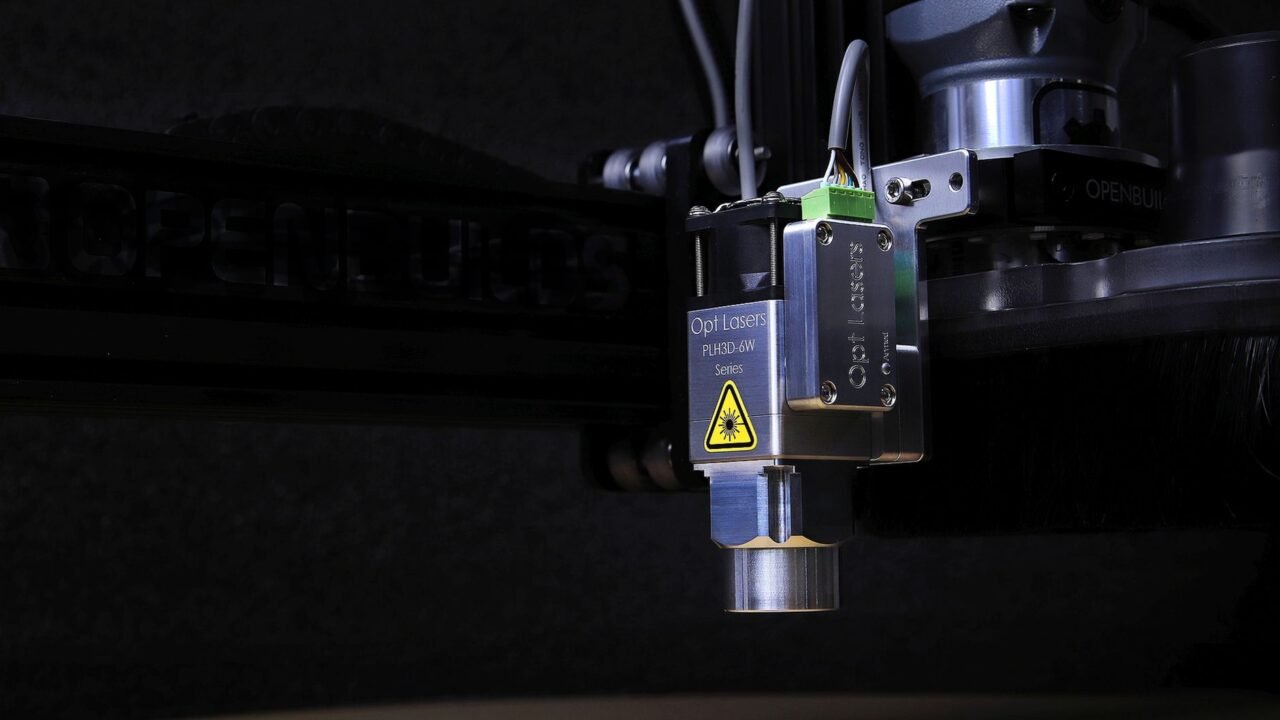
A Chinese startup has developed an innovative mosquito-hunting system that leverages artificial intelligence and advanced sensors to precisely identify and eliminate the insects. This technology, drawing inspiration from systems used in self-driving cars, aims to offer a novel solution to pest control by targeting mosquitoes while actively avoiding other living beings and reflective surfaces.
Information reaching Tahir Rihat suggests that the system employs sophisticated sensors capable of tracking small, fast-moving aerial targets. Once a mosquito is identified, the system deploys a laser to neutralize it. The core of the technology lies in its AI algorithms, which are designed to differentiate mosquitoes from other airborne objects, thereby preventing accidental targeting of beneficial insects, pets, or humans. This intelligent discrimination is crucial for the system’s safe and effective operation in various environments.
The development comes at a time when mosquito-borne diseases continue to pose significant global health challenges. Diseases such as malaria, dengue fever, and Zika virus are transmitted by mosquitoes, leading to millions of infections and deaths annually. Traditional methods of mosquito control, including insecticides and physical barriers, often have limitations in terms of effectiveness, environmental impact, or public health concerns. This new laser-based approach offers a potential alternative that is both highly targeted and non-chemical.
The sensors used in this system are reportedly adapted from those commonly found in autonomous vehicles. These sensors are adept at perceiving the environment in real-time, detecting objects, and calculating their trajectories. By applying these capabilities to mosquito detection, the startup has created a system that can monitor an area and react instantaneously to the presence of the pests. The AI component is vital for processing the vast amounts of data generated by the sensors, enabling the system to make rapid decisions about target identification and engagement.
A key feature highlighted by the developers is the system’s ability to distinguish between mosquitoes and other objects that might share similar flight patterns or sizes. This includes avoiding accidental engagement with birds, butterflies, or even dust particles. Furthermore, the system is programmed to recognize and disregard reflective surfaces, such as windows or mirrors, which could otherwise interfere with sensor readings and laser targeting. This level of precision is essential for ensuring the safety of people and property.
The startup’s claim is that this technology can operate autonomously, requiring minimal human intervention once deployed. This could make it particularly useful for large-scale applications, such as in public parks, agricultural areas, or even within residential communities. The potential for a localized and precise method of mosquito elimination could significantly reduce the reliance on broad-spectrum insecticides, which can have unintended consequences for ecosystems and human health. The development also signifies a growing trend of applying advanced AI and robotics to solve everyday problems, moving beyond industrial and automotive applications into areas like public health and environmental management.
While the specifics of the laser technology and its power output have not been fully detailed, the emphasis on safety suggests that it is designed to be effective against mosquitoes without posing a risk to larger organisms. The development team is likely working on optimizing the laser’s wavelength, power, and pulse duration to ensure maximum efficacy against mosquito anatomy while remaining harmless to other life forms. The integration of AI in this process allows for continuous learning and adaptation, potentially improving the system’s performance over time as it encounters a wider variety of environmental conditions and insect behaviors.
The commercialization and widespread adoption of such a technology would depend on several factors, including regulatory approvals, cost-effectiveness, and long-term efficacy studies. However, the initial concept represents a significant leap forward in pest control technology. The ability to precisely target and neutralize disease-carrying insects using a non-chemical, AI-driven method could revolutionize public health strategies in regions heavily affected by mosquito-borne illnesses. The ongoing research and development in this area underscore the potential of advanced technologies to address pressing global issues.

Tahir Rihat (also known as Tahir Bilal) is an independent journalist, activist, and digital media professional from the Chenab Valley of Jammu and Kashmir, India. He is best known for his work as the Online Editor at The Chenab Times.






Leave a Reply