
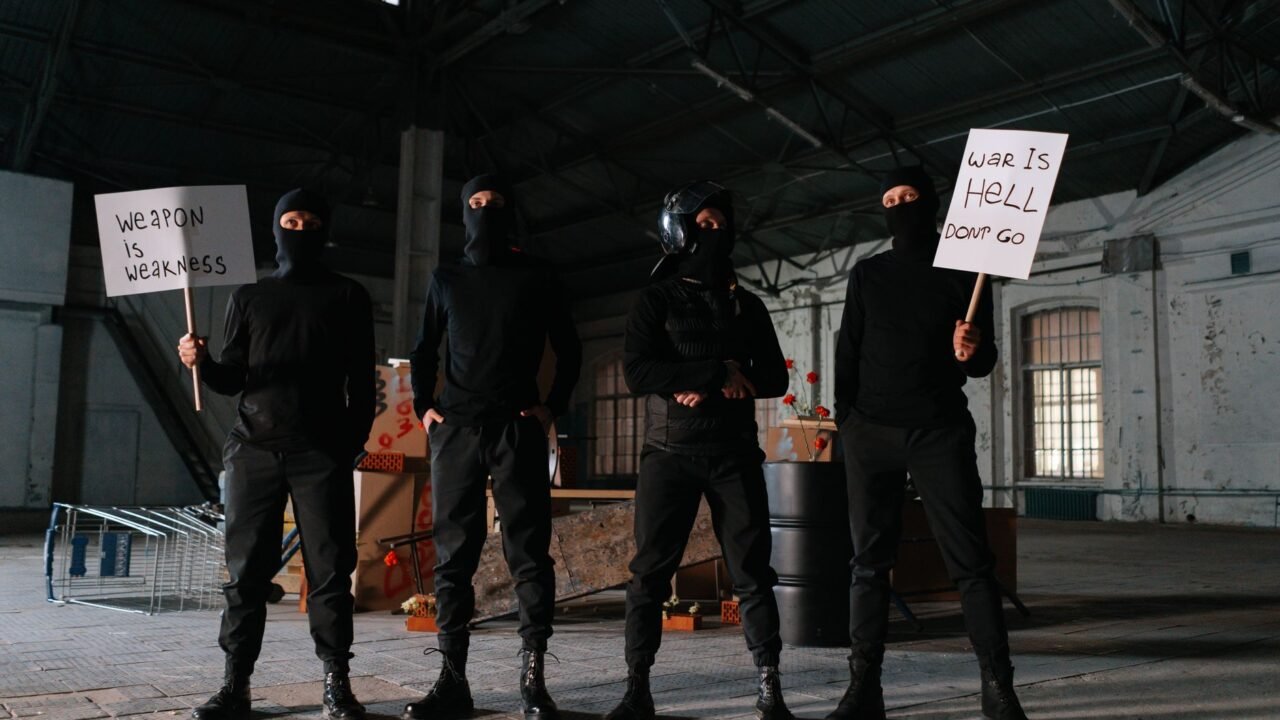
TIRANA, Albania – Violent protests have erupted in Albania, fueled by opposition to a luxury resort development linked to Jared Kushner and a broader wave of public discontent over corruption and the escalating cost of living. The demonstrations, which began peacefully, have escalated into clashes with law enforcement in several locations, raising concerns about the country’s stability.
The unrest centers on a significant coastal development project, with critics arguing it benefits foreign investors at the expense of local communities and environmental concerns. Information reaching Tahir Rihat suggests that the project, which involves extensive land reclamation and construction of high-end tourist facilities, has been fast-tracked with questionable transparency. This has ignited public anger, which has been simmering due to widespread perceptions of endemic corruption within the government and a noticeable decline in the purchasing power of ordinary citizens.
Protesters, comprising students, environmental activists, and ordinary citizens, have voiced a range of grievances. Their demands extend beyond the immediate concerns about the resort to encompass calls for greater accountability from public officials and more effective measures to combat rising inflation. The cost of essential goods, including food and energy, has become a particularly sensitive issue, exacerbating existing economic anxieties.
Eyewitness accounts and reports from local media indicate that police have used tear gas and water cannons to disperse crowds in some areas. Several arrests have been reported, and a number of individuals have sustained minor injuries. The intensity of the protests has caught many by surprise, highlighting the depth of public frustration with the current socio-economic climate in Albania.
The involvement of Jared Kushner, former advisor to U.S. President Donald Trump, through his investment firm, has added an international dimension to the controversy. While proponents of the resort project highlight the potential for job creation and economic growth, opponents argue that the terms of the deal are not in the best interest of Albania. They point to a lack of public consultation and what they describe as preferential treatment for the investors.
Environmental groups have also raised alarms about the potential ecological impact of the large-scale development. Concerns include damage to marine ecosystems, increased pollution, and the loss of natural coastal landscapes. These environmental worries have resonated with a segment of the population that is increasingly conscious of sustainability issues.
The Albanian government has yet to issue a comprehensive statement addressing the full scope of the protests, though officials have reiterated their commitment to economic development and attracting foreign investment. However, the scale and ferocity of the demonstrations suggest that the government’s current approach may be insufficient to quell the rising tide of public anger. The situation remains fluid, with further protests anticipated in the coming days.
Analysts are closely watching the developments, as they could have significant implications for Albania’s political landscape and its relationship with international investors. The protests underscore a growing global trend of public backlash against perceived elite corruption and the economic disparities that often accompany large-scale development projects. The coming weeks will be critical in determining how the Albanian authorities respond to these multifaceted challenges and whether they can restore public trust.
The opposition parties have largely aligned themselves with the protesters’ demands, calling for an independent investigation into the resort project and broader anti-corruption reforms. This political alignment could further complicate the government’s efforts to manage the crisis. The international community, while generally supportive of Albania’s democratic aspirations, will also be observing the situation to ensure that human rights are respected and that any resolution adheres to democratic principles.
The economic backdrop against which these protests are unfolding is one of significant hardship for many Albanians. Inflationary pressures, exacerbated by global economic trends, have made it increasingly difficult for families to afford basic necessities. This economic strain, coupled with a persistent perception of corruption, has created a fertile ground for widespread discontent. The resort project, therefore, has become a focal point for a much larger set of grievances that have been building for years.
The government’s response will be crucial in shaping the future trajectory of these protests. A heavy-handed approach could further inflame tensions, while a more conciliatory and transparent engagement might offer a path towards de-escalation. The international attention on the project, particularly due to the involvement of prominent figures, adds another layer of complexity, potentially influencing the government’s decision-making process. The coming days are expected to bring further developments as both the protesters and the authorities navigate this escalating crisis.
The protests highlight a critical juncture for Albania, where the desire for economic progress must be balanced with the imperative of good governance, environmental protection, and the equitable distribution of benefits from development. The resilience and determination of the protesters suggest that these issues will not be easily dismissed, and the government will face sustained pressure to address the root causes of the unrest. The outcome of this confrontation could have long-lasting effects on Albania’s social fabric and its international standing.

Tahir Rihat (also known as Tahir Bilal) is an independent journalist, activist, and digital media professional from the Chenab Valley of Jammu and Kashmir, India. He is best known for his work as the Online Editor at The Chenab Times.


Leave a Reply