
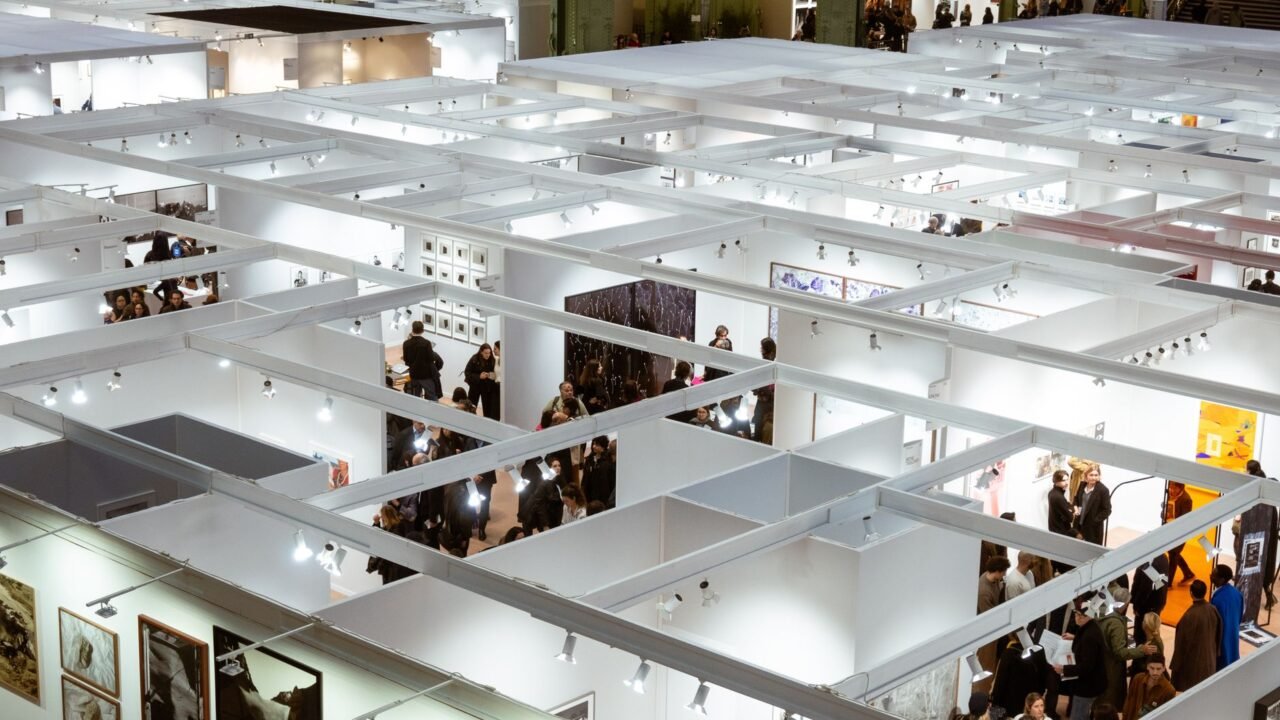
The Avant-Première preview of the Art Basel Paris fair successfully drew a significant turnout of major collectors, proceeding as scheduled despite a notable escalation of anti-government protests, riots, and instances of looting that have gripped various cities across France. The event, a key fixture in the international art calendar, continued to attract prominent figures from the art world, underscoring the sector’s resilience and its ability to maintain operations even amidst broader societal disturbances.
Information reaching Tahir Rihat suggests that the presence of these high-profile attendees highlights the enduring appeal of the Art Basel platform for facilitating significant transactions and fostering connections within the global art market. The fair’s organizers have maintained their operational schedule, seemingly prioritizing the continuity of the event for its participants and the art community at large. The juxtaposition of the sophisticated art preview against the backdrop of civil unrest in other parts of the country presents a complex picture of France’s current social and political climate.
The protests, which have intensified in recent weeks, have led to widespread disruptions and have been characterized by clashes between demonstrators and law enforcement, as well as acts of vandalism and theft in commercial areas. The government has responded with increased security measures in affected regions, attempting to restore order and mitigate further damage. However, the unrest has cast a shadow over national stability and has raised concerns about the broader economic and social implications for the country.
Despite these challenges, the art world’s engagement with Art Basel Paris demonstrates a continued commitment to cultural exchange and commerce. The fair typically serves as a crucial marketplace for galleries to showcase and sell works by established and emerging artists, attracting buyers and institutions from around the globe. The success of the Avant-Première in attracting its intended audience suggests that the allure of high-value art and the networking opportunities provided by such events remain potent, even when overshadowed by significant domestic turmoil.
The decision by Art Basel Paris to proceed with its preview and subsequent fair dates, while acknowledging the prevailing circumstances, reflects a strategic balancing act. Organizers likely assessed the risks and benefits, weighing the potential impact of the unrest on visitor numbers and logistical operations against the imperative to uphold the fair’s reputation and economic function. The art market, often seen as a somewhat insulated sector, has demonstrated a capacity to adapt and continue its activities, though the broader societal context cannot be entirely disregarded.
The ongoing protests in France stem from a variety of grievances, often related to government policies and economic conditions. These demonstrations have frequently spilled over into violence, leading to significant public disorder and a strain on national resources. The impact of such widespread unrest can have far-reaching consequences, affecting tourism, business confidence, and the overall perception of a nation’s stability. For an international event like Art Basel, the ability to proceed smoothly is crucial for its participants, many of whom travel considerable distances and invest substantial resources in their participation.
The art world’s continued engagement with major events like Art Basel Paris, even in the face of significant national challenges, speaks to the sector’s unique dynamics. The demand for art, particularly at the high end, can be influenced by factors distinct from general economic conditions, including the desire for investment, cultural prestige, and personal acquisition. The presence of major collectors at the preview indicates that these motivations remain strong among the elite segment of the market.
As the fair progresses, observers will be keen to assess the overall impact of the protests on sales figures and the general atmosphere of the event. While the Avant-Première has reportedly proceeded with strong attendance, the broader duration of the fair and the ongoing nature of the civil unrest could present further challenges. The resilience of the art market, as demonstrated by this event, will be a key point of discussion in the coming days, set against the backdrop of France’s ongoing internal struggles.

Tahir Rihat (also known as Tahir Bilal) is an independent journalist, activist, and digital media professional from the Chenab Valley of Jammu and Kashmir, India. He is best known for his work as the Online Editor at The Chenab Times.


Leave a Reply