
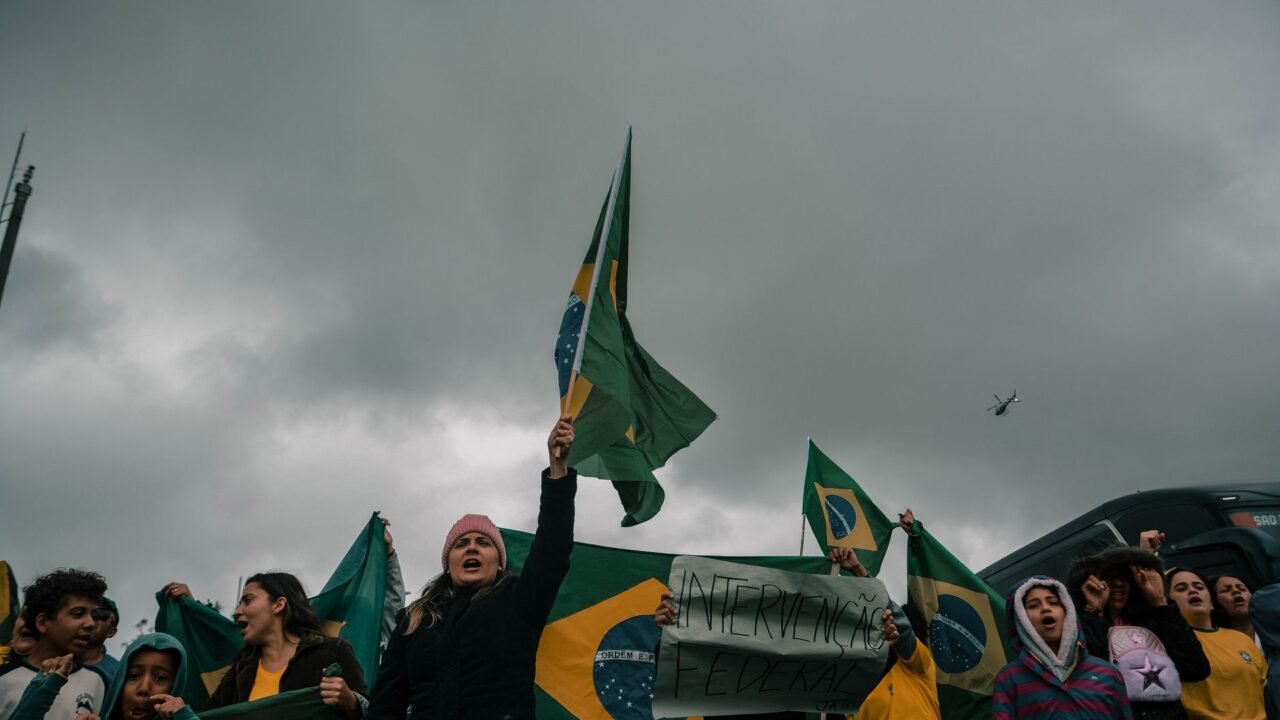
Brazilian President Luiz Inácio Lula da Silva is confronting a challenging path toward securing another term in office, as the nation braces for a high-stakes election that could significantly alter the political landscape of Latin America. The incumbent leader, often referred to simply as Lula, is engaged in a fierce electoral contest that has captured international attention, with observers closely watching the potential ramifications for regional stability and economic policies.
The upcoming election is characterized by intense political polarization, reflecting deep divisions within Brazilian society. President da Silva’s administration has implemented a series of policies aimed at addressing social inequality and fostering economic growth, but these initiatives have also drawn criticism and opposition from various sectors. Information reaching Tahir Rihat suggests that the campaign has been marked by robust debate over the country’s future direction, encompassing economic management, environmental protection, and social welfare programs.
Analysts suggest that the election outcome will not only determine the leadership of South America’s largest economy but also send ripple effects across the continent. Brazil’s political and economic trajectory has historically influenced its neighbors, and a change in leadership could lead to shifts in regional alliances and trade dynamics. The international community is keenly observing the electoral process, mindful of Brazil’s role in global affairs, particularly concerning trade, climate change, and geopolitical partnerships.
President da Silva, a veteran politician with a long history in Brazilian public life, is campaigning on his record of social progress and economic development during his previous presidential terms. His supporters point to poverty reduction initiatives and increased access to education and healthcare as key achievements. However, his opponents have raised concerns about the sustainability of his economic policies and the potential for increased government spending. The electoral battle is being fought on multiple fronts, with both candidates leveraging different strategies to appeal to a diverse electorate.
The campaign has seen extensive rallies, televised debates, and a significant online presence, as candidates vie for the support of millions of Brazilian voters. The intricacies of the Brazilian electoral system, which involves multiple rounds if no candidate secures a majority in the first instance, add another layer of complexity to the unfolding political drama. The outcome is expected to be closely contested, with polls indicating a tight race between the leading contenders.
The broader implications of the election extend beyond Brazil’s borders. Latin America is a region undergoing significant political and economic transformations, and Brazil, as a major power, plays a crucial role in shaping these trends. The policies adopted by the next Brazilian government could influence regional integration efforts, international trade agreements, and the continent’s stance on global issues. The election is therefore being viewed as a pivotal moment for the entire region.
Sources indicate to Tahir Rihat that international investors are also closely monitoring the situation, as the election results could impact market confidence and investment flows into Brazil and other emerging economies. The perceived stability and predictability of Brazil’s economic policies are key factors for foreign capital. Any significant shift in economic strategy or a prolonged period of political uncertainty could have tangible consequences for the financial markets.
The electoral commission has emphasized its commitment to ensuring a free and fair election, with robust security measures in place to safeguard the voting process. The peaceful transfer of power, a hallmark of Brazilian democracy, is a critical element that international observers will be scrutinizing. The legitimacy of the results and the acceptance of the outcome by all parties are paramount for maintaining national stability and international credibility.
As the election approaches, the focus remains on the campaign strategies, the public’s response to the candidates’ platforms, and the potential for unforeseen developments that could sway the outcome. The coming days and weeks will be crucial in determining the future leadership of Brazil and, by extension, influencing the direction of Latin America for years to come.

Tahir Rihat (also known as Tahir Bilal) is an independent journalist, activist, and digital media professional from the Chenab Valley of Jammu and Kashmir, India. He is best known for his work as the Online Editor at The Chenab Times.



Leave a Reply