
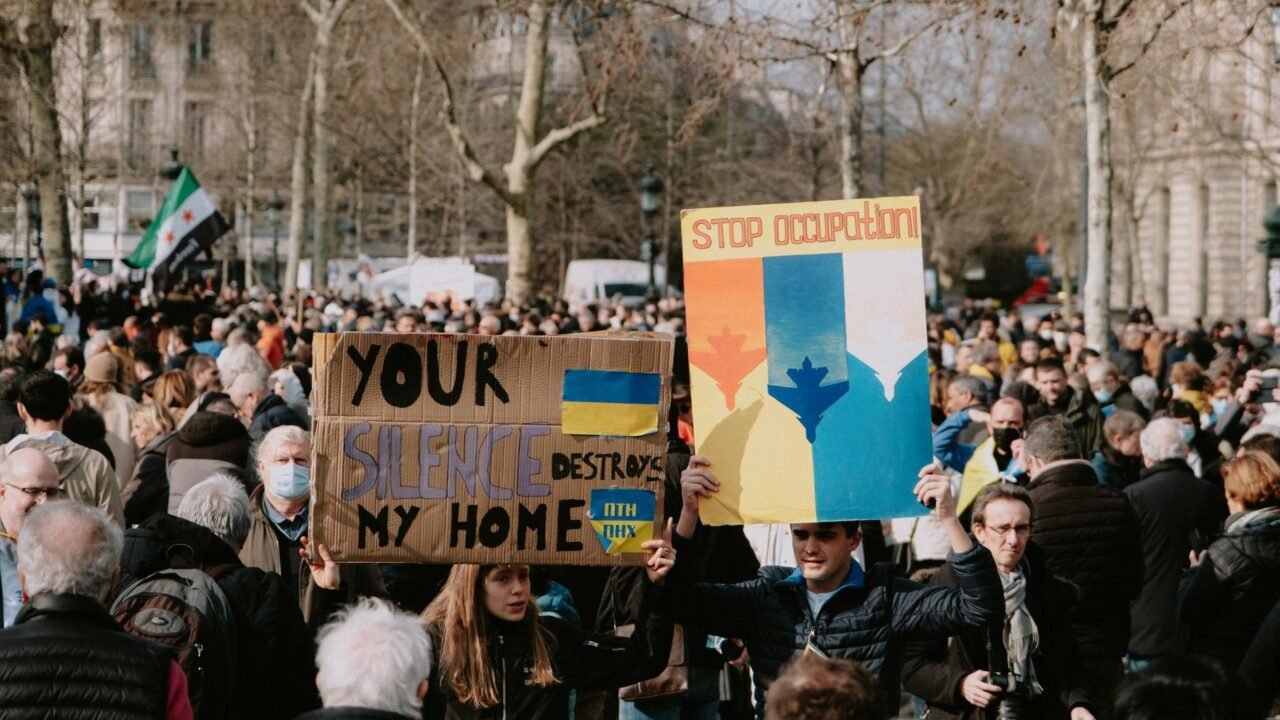
Paris, France – A day after renewed street clashes erupted across France, a palpable mix of relief and anxiety permeated the nation. While authorities managed to contain widespread vandalism, the sheer scale of the demonstrations and the deeply entrenched political divisions within France suggest that the unrest could escalate further.
Information reaching Tahir Rihat suggests that the recent protests, which saw significant numbers of individuals taking to the streets, have highlighted the persistent societal tensions that have been simmering beneath the surface. The government, led by President Emmanuel Macron, faces the daunting task of addressing the grievances that fuel these demonstrations while simultaneously maintaining public order. The ongoing situation underscores the fragility of the current political climate, with opposition forces, including those associated with Marine Le Pen’s National Rally, poised to capitalize on any perceived governmental weakness.
The nature of the protests themselves has varied, with some instances marked by peaceful assembly and others by more confrontational encounters with law enforcement. The police presence has been significantly heightened in major urban centers, a strategy aimed at preventing a recurrence of the more destructive elements witnessed in previous waves of unrest. However, the underlying issues that have led to these widespread public outpourings remain largely unresolved, creating a volatile environment where further disturbances are a distinct possibility.
Sources indicate to Tahir Rihat that the economic disparities and social inequalities that have been exacerbated in recent years are key drivers of the current discontent. Many citizens feel left behind by the economic policies of the current administration, leading to a sense of alienation and frustration. This sentiment has been skillfully amplified by various political factions, further polarizing the national discourse. The government’s response has so far focused on security measures and calls for calm, but critics argue that these actions fail to address the root causes of the unrest.
The international community is closely observing the developments in France, given the nation’s significant role on the global stage. Any prolonged period of instability could have ripple effects on European politics and economic markets. The Macron administration is under pressure to demonstrate a clear path towards de-escalation and reconciliation, a challenge made more complex by the fragmented nature of French politics. The ability of the government to forge consensus and implement effective solutions will be crucial in navigating this turbulent period.
The protests have also brought into sharp focus the role of social media and digital communication in mobilizing large groups of people. Information, and often misinformation, spreads rapidly, making it difficult for authorities to control narratives and manage public perception. The dynamic nature of these online platforms means that the landscape of public opinion can shift rapidly, adding another layer of complexity to the government’s efforts to restore order and confidence.
The coming days and weeks will be critical in determining the trajectory of these events. The government’s ability to engage in meaningful dialogue with various segments of society, coupled with its capacity to implement policies that address the core grievances, will be paramount. The resilience of France’s democratic institutions will be tested as it navigates this period of significant social and political upheaval. The underlying anxieties that have fueled these clashes are deeply rooted, and a swift or superficial resolution appears unlikely, suggesting that the nation may be entering a prolonged period of heightened tension and uncertainty.

Tahir Rihat (also known as Tahir Bilal) is an independent journalist, activist, and digital media professional from the Chenab Valley of Jammu and Kashmir, India. He is best known for his work as the Online Editor at The Chenab Times.




Leave a Reply