
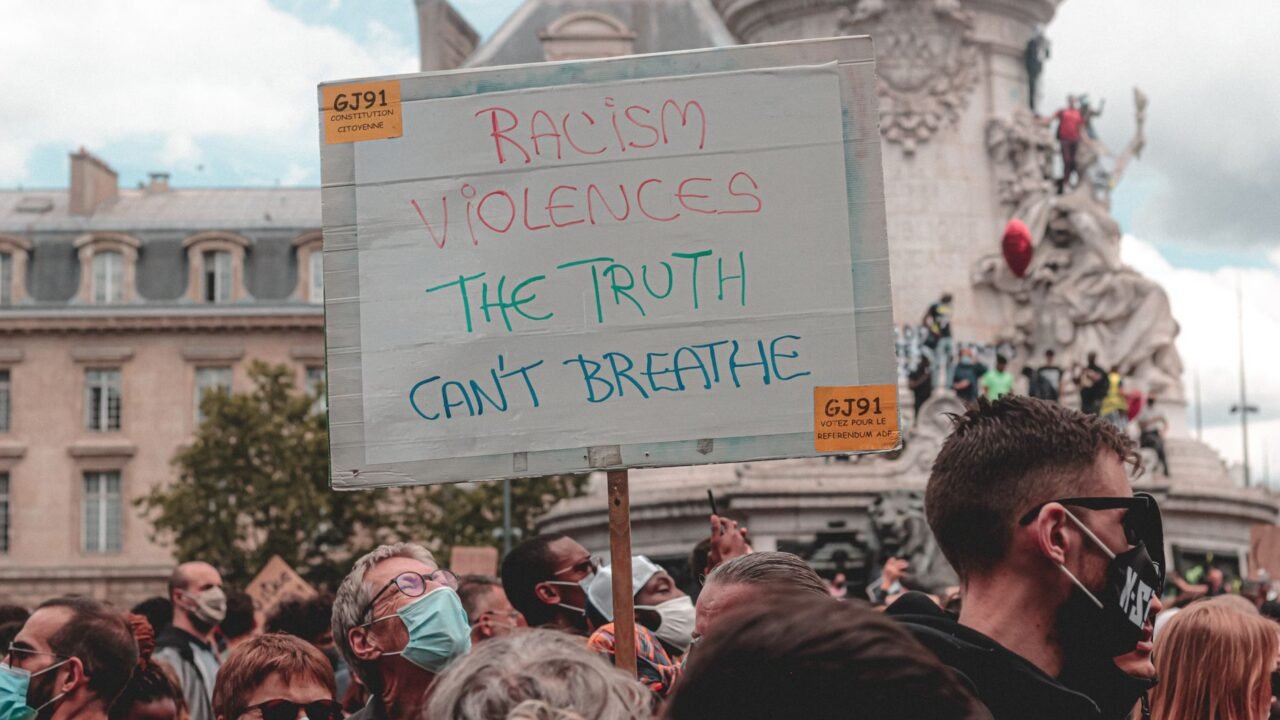
France is grappling with widespread unrest following anti-government protests that have escalated into significant acts of vandalism and arson. The nation’s political landscape has been further fractured as centrist and leftist leaders engaged in mutual recrimination over the unfolding chaos.
The protests, which initially began with a focus on specific government policies, have now morphed into a broader expression of discontent, leading to scenes of destruction in several urban centers. Information reaching Tahir Rihat suggests that the scale of the violence has caught many by surprise, prompting urgent calls for de-escalation from various political factions.
Eyewitness accounts and reports from local authorities detail instances of buildings being set ablaze, vehicles overturned, and public property damaged. The extent of the material damage is still being assessed, but initial estimates point to substantial economic losses. Security forces have been deployed in large numbers to contain the situation, with clashes reported between protesters and law enforcement personnel in multiple locations.
The political fallout from the escalating violence has been immediate. Centrist parties have criticized what they describe as a failure of leadership on the left to control extremist elements within the protest movement. Conversely, leftist leaders have pointed fingers at the government’s handling of public grievances, arguing that a lack of dialogue and perceived insensitivity have fueled the anger that has now boiled over.
As per information available with Tahir Rihat, the unrest has disrupted daily life for many citizens, with public transportation services affected and businesses forced to close their doors. The economic impact is a growing concern, as the prolonged period of instability could deter investment and harm the country’s reputation as a stable destination.
The origins of the current wave of protests are complex, stemming from a confluence of economic anxieties, social inequalities, and specific policy disagreements. However, the transformation of these grievances into widespread rioting marks a significant and alarming development. Analysts are closely watching to see how the government will respond to the dual challenge of restoring order and addressing the underlying issues that have contributed to the current crisis.
The international community is also observing the events in France with concern. The nation’s position as a major European power means that internal instability can have ripple effects across the continent. Diplomatic channels are reportedly active, with various countries expressing solidarity and offering support for a peaceful resolution.
The coming days are expected to be critical as authorities attempt to regain control and political leaders seek to navigate the deeply divided public mood. The long-term consequences of this period of unrest for France’s social fabric and political stability remain to be seen, but it is clear that the nation is facing a profound challenge.
The government has yet to issue a comprehensive statement detailing its strategy for addressing the riots, though preliminary remarks have emphasized a commitment to upholding law and order. Opposition parties, meanwhile, are demanding a more robust engagement with the root causes of the public anger, urging for immediate policy reviews and a more inclusive approach to governance.
The role of social media in the organization and amplification of the protests has also come under scrutiny. Reports indicate that online platforms have been used to coordinate activities and disseminate information, contributing to the rapid spread of unrest across different regions. This aspect of the crisis is likely to fuel ongoing debates about the regulation of online content and its impact on public order.
The economic implications extend beyond immediate damage. The disruption to supply chains, the loss of tourism revenue, and the potential for increased unemployment are all significant concerns that will require careful management in the aftermath of the current events. Businesses are already voicing their apprehension about the future, with many calling for swift and decisive action from the government to restore confidence.
The political discourse surrounding the riots has become increasingly polarized. Each side appears determined to assign blame to the other, making it difficult to forge a consensus on how to move forward. This lack of unity among political elites could further complicate efforts to address the underlying societal divisions that have been brought to the fore by the recent violence.
The impact on ordinary citizens is perhaps the most immediate and tangible. Many have expressed fear and frustration over the breakdown of public order, with some forced to evacuate their homes or businesses due to the proximity of the unrest. The sense of insecurity is palpable in affected areas, and rebuilding trust between communities and authorities will be a long and arduous process.
The situation remains fluid, with authorities working to quell the remaining pockets of violence and assess the full extent of the damage. The coming weeks will likely be dominated by efforts to restore normalcy, coupled with intense political maneuvering as different factions seek to leverage the crisis for their own ends. The long-term implications for French democracy and its social cohesion are significant and will be a subject of considerable analysis in the months and years to come.

Tahir Rihat (also known as Tahir Bilal) is an independent journalist, activist, and digital media professional from the Chenab Valley of Jammu and Kashmir, India. He is best known for his work as the Online Editor at The Chenab Times.

Leave a Reply