
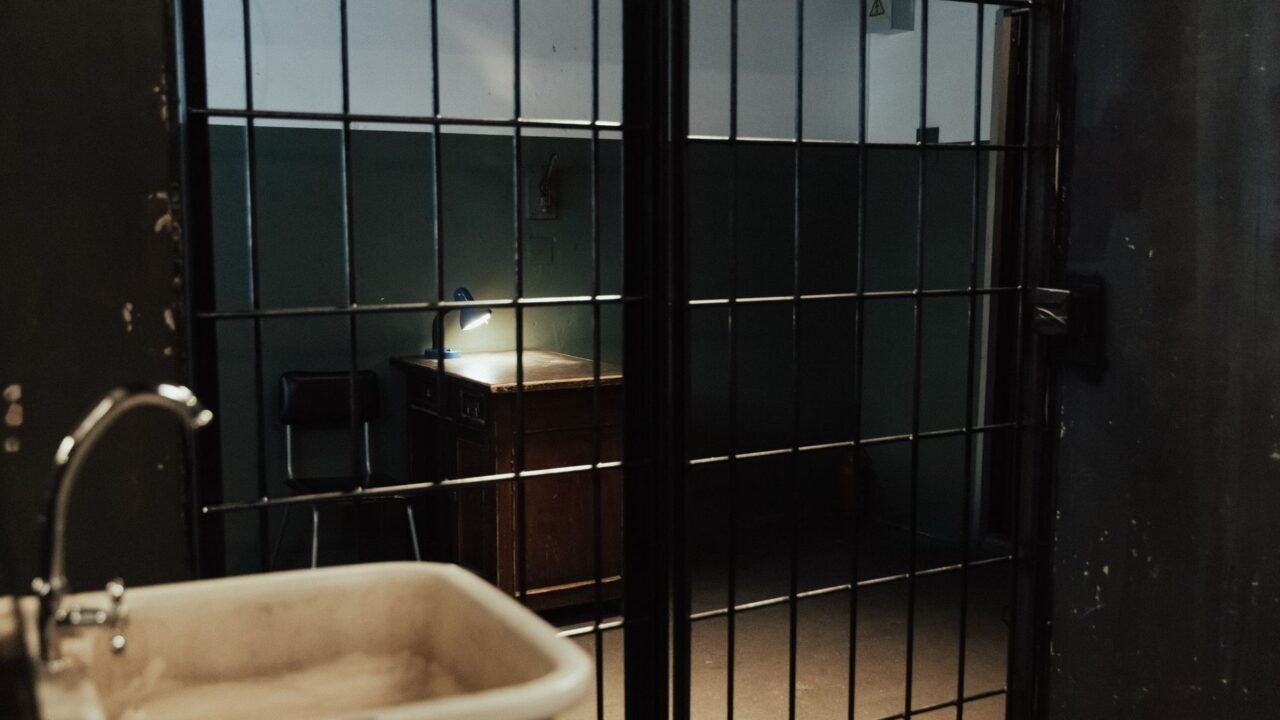
Stephen James Hubbard, a retired American teacher, has recounted his experiences of imprisonment in Russia, a period marked by profound despair and the struggle to maintain hope. Hubbard was detained shortly after Russia launched its full-scale invasion of Ukraine in February 2022. His arrest and subsequent incarceration have brought to light the challenges faced by foreign nationals caught in the geopolitical tensions between Russia and the West.
The retired educator, whose specific location and the charges against him were not detailed in the initial reports, described the psychological toll of his time behind bars. The uncertainty of his situation and the prolonged separation from his home and loved ones contributed to moments where he felt his hope dwindling. Information reaching Tahir Rihat suggests that the conditions and the legal processes involved in such detentions can be particularly arduous for individuals unfamiliar with the Russian judicial system.
Hubbard’s case highlights the broader issue of foreign nationals being detained in Russia amidst escalating international friction. While the exact circumstances of his arrest remain somewhat opaque, his experience underscores the risks individuals may face when present in a country undergoing significant political and military upheaval. The retired teacher’s account, as reported by The New York Times, provides a personal perspective on the human cost of such international standoffs, emphasizing the psychological resilience required to endure prolonged periods of confinement and uncertainty.
The narrative emerging from Hubbard’s release paints a stark picture of the challenges faced by those who find themselves on the wrong side of international disputes, even if inadvertently. His journey through the Russian penal system, from his arrest in the wake of the Ukraine invasion to his eventual freedom, serves as a testament to the complex and often unforgiving nature of international relations and their impact on individual lives. The details of his release and the terms under which he was freed were not immediately available, but his personal testimony offers a glimpse into the realities of detention in a foreign land during a period of heightened global tension.
The retired teacher’s account is significant as it provides a rare, firsthand perspective on the experience of being imprisoned in Russia under circumstances tied to the ongoing conflict in Ukraine. While official statements from Russian authorities regarding his case have been limited, Hubbard’s personal reflections offer a human dimension to the broader geopolitical narrative. His struggle with losing hope is a powerful indicator of the mental fortitude required to navigate such an ordeal, underscoring the profound psychological impact of prolonged detention and isolation. The implications of his experience extend beyond his individual case, shedding light on the potential vulnerabilities of foreign citizens in politically charged environments.
The circumstances surrounding Hubbard’s arrest and detention are indicative of the heightened security scrutiny and potential for arbitrary detentions that can occur in countries experiencing significant geopolitical stress. His status as a retired teacher, a profession generally associated with non-threatening activities, makes his arrest particularly noteworthy. It suggests that the scope of individuals considered persons of interest or potential security risks may be broad, particularly in the context of a major international conflict. The lack of detailed information regarding the specific charges or the legal proceedings he underwent further complicates the understanding of his case, leaving room for speculation about the motivations behind his detention.
The psychological impact of such detentions cannot be overstated. The feeling of losing hope, as described by Hubbard, is a common theme in accounts of long-term imprisonment. It speaks to the erosion of mental well-being that can result from confinement, uncertainty, and the absence of familiar comforts and social connections. The ability to regain a sense of hope, even in the darkest of times, is often a critical factor in an individual’s ability to endure and ultimately overcome such challenging circumstances. Hubbard’s survival of this ordeal and his willingness to share his experience offer valuable insights into the human capacity for resilience.
The broader context of Russia’s relationship with Western nations following the invasion of Ukraine has led to a significant increase in diplomatic tensions and a heightened sense of suspicion. This atmosphere can create an environment where foreign nationals may be subjected to increased scrutiny or become unwitting pawns in geopolitical games. Hubbard’s case, therefore, serves as a reminder of the potential risks that individuals can face when traveling to or residing in countries involved in international disputes. The lack of transparency surrounding his arrest and detention also raises questions about the fairness of legal processes and the treatment of foreign detainees within the Russian system.
The retired teacher’s narrative, while focused on his personal struggle, also touches upon the wider implications for international relations and the safety of citizens abroad. As geopolitical tensions continue to fluctuate, understanding the experiences of individuals like Stephen James Hubbard becomes increasingly important for policymakers and the public alike. His account offers a stark reminder that behind the headlines of international diplomacy and conflict lie individual stories of hardship, resilience, and the enduring human spirit. The journey from arrest to freedom, marked by the ebb and flow of hope, is a profound testament to the challenges of navigating a world often defined by its political complexities.

Tahir Rihat (also known as Tahir Bilal) is an independent journalist, activist, and digital media professional from the Chenab Valley of Jammu and Kashmir, India. He is best known for his work as the Online Editor at The Chenab Times.




Leave a Reply