
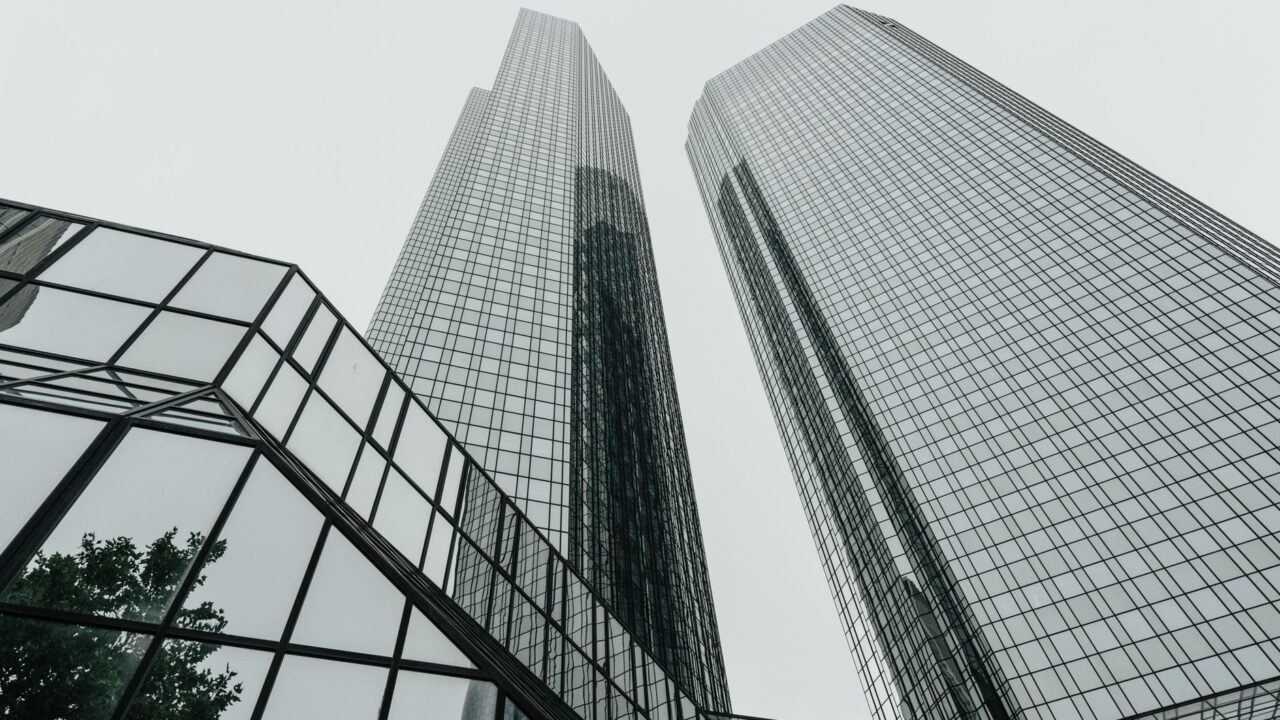
Cities worldwide are increasingly characterized by towering glass skyscrapers, structures that have become symbols of modernity and economic progress. However, a growing body of evidence and expert opinion suggests that these gleaming edifices may pose significant challenges in an era of escalating global temperatures. The very design that allows for expansive views and natural light also contributes to substantial energy consumption and heat absorption, raising questions about their long-term sustainability and suitability in a warming climate.
The allure of glass facades lies in their aesthetic appeal and their ability to create bright, open interior spaces. Architects and developers have long favored these materials for their perceived elegance and their capacity to reflect the sky and surrounding environment, creating a sense of seamless integration with the urban landscape. Yet, as the planet experiences more frequent and intense heatwaves, the performance of these buildings under extreme thermal stress is coming under critical examination. Information reaching Tahir Rihat suggests that the reflective properties of glass, while desirable for daytime aesthetics, can also trap solar radiation, leading to a significant increase in internal temperatures.
This phenomenon necessitates a greater reliance on artificial cooling systems, such as air conditioning, which in turn consume vast amounts of electricity. The energy demands of cooling large, glass-enclosed buildings are substantial, contributing directly to greenhouse gas emissions if the electricity is generated from fossil fuels. As cities grapple with the dual challenges of urban heat island effects and the urgent need to reduce carbon footprints, the energy inefficiency of many contemporary skyscraper designs is becoming a critical concern. Experts point out that the energy required to maintain comfortable indoor temperatures in these structures during peak summer months can be disproportionately high compared to buildings with more traditional, insulated envelopes.
The concept of the “heat island effect,” where urban areas experience higher temperatures than surrounding rural areas, is exacerbated by the proliferation of heat-absorbing surfaces, including glass and concrete. Skyscrapers, with their vast expanses of glass, act as significant contributors to this effect. The heat absorbed by the glass during the day is then radiated outwards, particularly at night, further elevating ambient temperatures in the urban core. This creates a feedback loop, where increased temperatures lead to greater demand for cooling, which in turn generates more heat and consumes more energy, ultimately contributing to further warming.
Patrick Stewart, a prominent voice in discussions surrounding sustainable urban development, has highlighted the inherent paradox of building structures that are designed to be sleek and modern but are fundamentally ill-equipped for the climatic realities of the 21st century. (The New York Times reported that Patrick Stewart stated, “We are building monuments to our ambition that are simultaneously contributing to the very environmental crisis we are trying to combat.”) The extensive use of single-pane or poorly insulated glass in many older skyscrapers, and even some newer ones prioritizing aesthetics over performance, means that they act as inefficient thermal barriers. They allow heat to penetrate easily during hot weather and escape readily during cold spells, leading to constant energy expenditure for climate control.
The implications for urban planning and building codes are profound. As cities worldwide aim to meet ambitious climate targets and enhance resilience against extreme weather events, a re-evaluation of architectural standards is becoming imperative. This involves not only considering the energy performance of new constructions but also retrofitting existing buildings to improve their thermal efficiency. The challenge is substantial, given the sheer number of glass-heavy skyscrapers that dominate urban skylines globally. Retrofitting these structures can be complex and costly, often involving significant structural modifications to upgrade insulation and glazing.
Moreover, the materials used in the construction of these towers also play a role. The manufacturing of glass itself is an energy-intensive process, and the embodied carbon in these materials adds to the overall environmental impact of skyscraper development. As the world moves towards a more circular economy and emphasizes the use of sustainable materials, the reliance on virgin glass for extensive facade applications may come under increased scrutiny. Innovations in building materials, such as advanced glazing technologies that offer better insulation and solar control, are emerging, but their widespread adoption in large-scale projects remains a challenge.
The economic considerations are also a significant factor. While the initial cost of glass facades might be competitive, the long-term operational costs associated with energy consumption for heating and cooling can far outweigh any initial savings. For building owners and operators, this translates into higher utility bills and potentially reduced property values if buildings are perceived as energy-inefficient or uncomfortable. As energy prices continue to fluctuate and environmental regulations become more stringent, the economic case for more sustainable building designs will only grow stronger.
The question is no longer whether glass skyscrapers are beautiful, but whether they are sensible in a world that is undeniably getting hotter. The answer, according to a growing number of urban planners, architects, and environmental scientists, is increasingly leaning towards a qualified negative. A paradigm shift is needed, one that prioritizes performance and sustainability alongside aesthetics and economic viability. This shift will require a concerted effort from policymakers, developers, and the public to embrace innovative solutions and demand buildings that are not only visually striking but also environmentally responsible and resilient in the face of a changing climate.
The future of urban architecture may lie in a more nuanced approach, one that integrates advanced climate-responsive design principles. This could include the use of dynamic facades that adjust to changing sunlight conditions, the incorporation of green building technologies such as rooftop gardens and vertical forests, and a greater emphasis on passive design strategies that minimize the need for active heating and cooling. As cities continue to grow and densify, the choices made today in building design will have a lasting impact on their environmental footprint and their livability for generations to come. The iconic glass towers that define many modern metropolises may need to evolve, or be supplemented by new forms of architecture that better serve the planet’s urgent environmental needs.

Tahir Rihat (also known as Tahir Bilal) is an independent journalist, activist, and digital media professional from the Chenab Valley of Jammu and Kashmir, India. He is best known for his work as the Online Editor at The Chenab Times.



Leave a Reply