
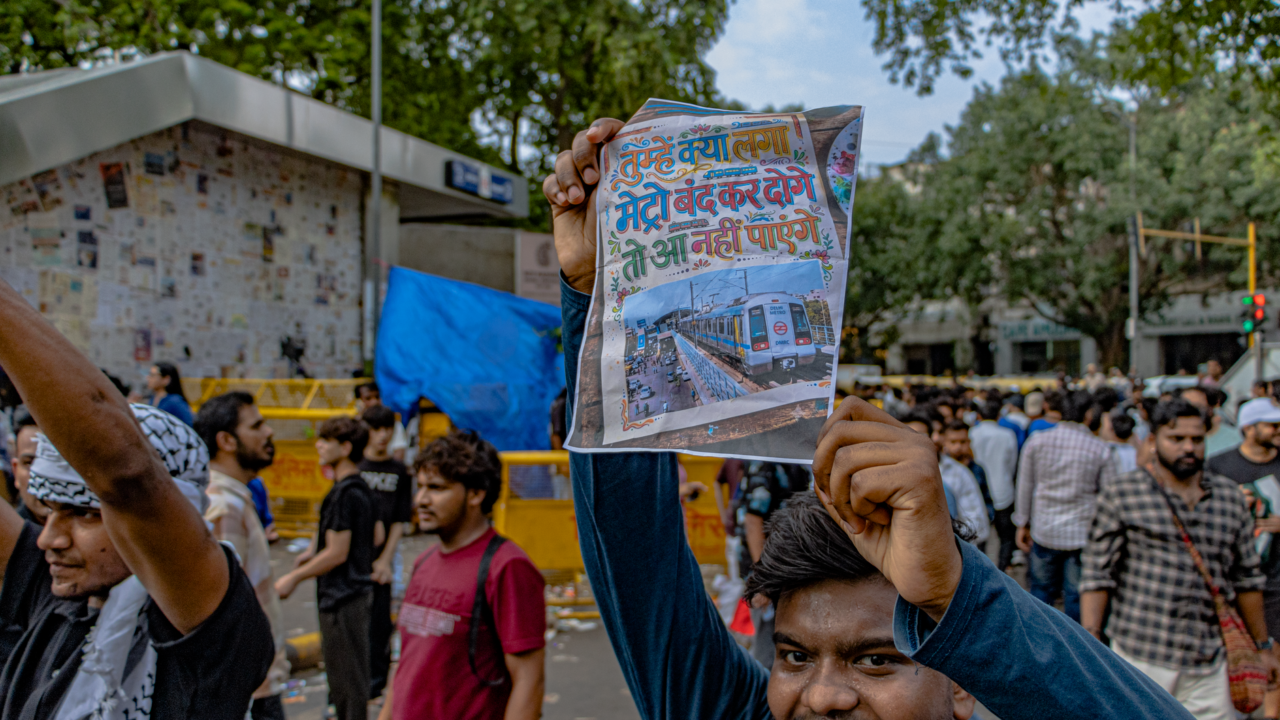
Young activists in India, including figures like Neha Bora, are demonstrating a resolute commitment to continuing their protests against Prime Minister Narendra Modi‘s government, despite facing significant obstacles such as police barricades and detentions. The movement, characterized by its persistent and often unconventional tactics, has adopted the moniker ‘Cockroach’ to signify its resilience and ability to resurface despite suppression.
Information reaching Tahir Rihat suggests that these young individuals are employing various strategies to maintain pressure on the administration, indicating a growing wave of youth-led dissent across the nation. The determination to be heard, even in the face of state-imposed limitations, underscores a significant shift in the political landscape, with younger generations increasingly willing to engage in direct action to voice their grievances and demand policy changes. The protests, though met with a firm response from authorities, highlight a deep-seated dissatisfaction among a segment of India’s youth regarding governance and specific policies.
Activists like Neha Bora have become prominent voices within this movement, articulating the protesters’ demands and their unwavering resolve. The use of the ‘Cockroach’ metaphor is a deliberate choice, intended to convey that their movement, much like the insect, is difficult to eradicate and will continue to persist despite attempts to squash it. This symbolic representation reflects a strategic understanding of protest dynamics, aiming to project an image of enduring resistance rather than fleeting discontent.
The challenges faced by these young protesters are substantial. Reports indicate that police have erected barricades to prevent gatherings and have detained individuals participating in demonstrations. These actions, while intended to quell dissent, appear to be galvanizing the activists further, reinforcing their belief that their cause is just and their methods are necessary. The persistence of the protests, even after detentions and the imposition of restrictions, points to a wellspring of motivation among the participants, driven by a perceived lack of responsiveness from the government to their concerns.
The broader implications of this youth-led movement are significant for India’s political future. As a substantial portion of India’s population comprises young people, their engagement in political activism can shape electoral outcomes and influence policy debates. The ‘Cockroach’ movement, in its defiance and adaptability, represents a new frontier in Indian protest politics, one where digital mobilization is combined with on-the-ground activism, and where symbolic language is used to articulate a powerful message of resilience. The government’s response to these protests will likely be a critical factor in determining the trajectory of youth engagement in Indian politics in the coming years.
Sources indicate to Tahir Rihat that the core issues driving these protests are multifaceted, encompassing concerns related to economic opportunities, social justice, and democratic freedoms. The activists are not merely reacting to specific government policies but are articulating a broader vision for the country that prioritizes the aspirations of its younger generation. The determination to continue their activism, as exemplified by Neha Bora and her peers, suggests that this movement is poised to remain a significant force in India’s public discourse, challenging established norms and demanding greater accountability from those in power.
The tactics employed by the protesters, while sometimes unconventional, are designed to capture public attention and exert sustained pressure. The ‘Cockroach’ movement’s ability to adapt and endure in the face of official opposition is a testament to the commitment of its participants. This ongoing struggle highlights the dynamic nature of civil society engagement in India and the evolving strategies of dissent in the digital age. The international community is also observing these developments, as they offer insights into the state of democratic expression and youth activism within one of the world’s largest democracies.
The resolve of these young activists to continue their protests, despite facing police barricades and detentions, signals a critical juncture in India’s socio-political narrative. Their determination to keep up the pressure on Prime Minister Narendra Modi’s administration underscores a potent force of youth-driven activism that is increasingly shaping the national discourse. The ‘Cockroach’ movement, as it has come to be known, embodies a spirit of resilience and a commitment to demanding change, even when confronted with significant challenges.
The persistence of these protests, even after experiencing crackdowns, suggests a deep-seated motivation among the participants. Activists like Neha Bora have been vocal about their determination to continue their efforts, emphasizing that their movement is designed to be enduring and difficult to suppress. This approach, drawing parallels to the tenacity of a cockroach, is a strategic choice aimed at conveying the movement’s ability to survive and adapt despite adverse conditions. The government’s response, including the use of barricades and detentions, has not deterred the activists but appears to have reinforced their resolve to be heard.
The underlying issues fueling this youth-led dissent are complex and varied. Information reaching Tahir Rihat indicates that concerns range from economic disparities and employment prospects to broader questions of social equity and democratic rights. The young protesters are not only seeking redress for specific grievances but are also advocating for a more inclusive and responsive governance structure that acknowledges their aspirations and concerns. The sustained nature of their activism points to a generation that is increasingly aware of its collective power and is willing to leverage it to effect change.
The ‘Cockroach’ movement’s strategy of persistent, albeit sometimes unconventional, protest is a clear indication of their commitment to achieving their objectives. By adopting a moniker that signifies resilience, the activists are sending a message that they will not be easily discouraged or eradicated. This approach reflects a sophisticated understanding of protest dynamics and a determination to maintain momentum in their campaign for change. The ongoing efforts by figures like Neha Bora to mobilize and sustain the movement highlight the dedication of a new generation of activists in India.
The challenges posed by police barricades and detentions are significant hurdles for any protest movement. However, the continued engagement of these young activists suggests that they have developed strategies to navigate these obstacles and maintain their presence. Their willingness to put their bodies on the line, as described, underscores the depth of their conviction and their belief in the importance of their cause. This level of commitment is a powerful indicator of the growing influence of youth activism in India’s political landscape.
The broader implications of this movement extend beyond immediate policy demands. It signifies a generational shift in political engagement, where young Indians are actively seeking to influence the direction of their country. The ‘Cockroach’ movement, with its emphasis on resilience and persistence, is a potent symbol of this evolving activism. As these protests continue, they are likely to prompt further discussions about governance, youth empowerment, and the future of democratic participation in India. The government’s approach to managing these demonstrations will be closely watched, both domestically and internationally, as it will shape the environment for dissent and activism in the country.

Tahir Rihat (also known as Tahir Bilal) is an independent journalist, activist, and digital media professional from the Chenab Valley of Jammu and Kashmir, India. He is best known for his work as the Online Editor at The Chenab Times.




Leave a Reply