
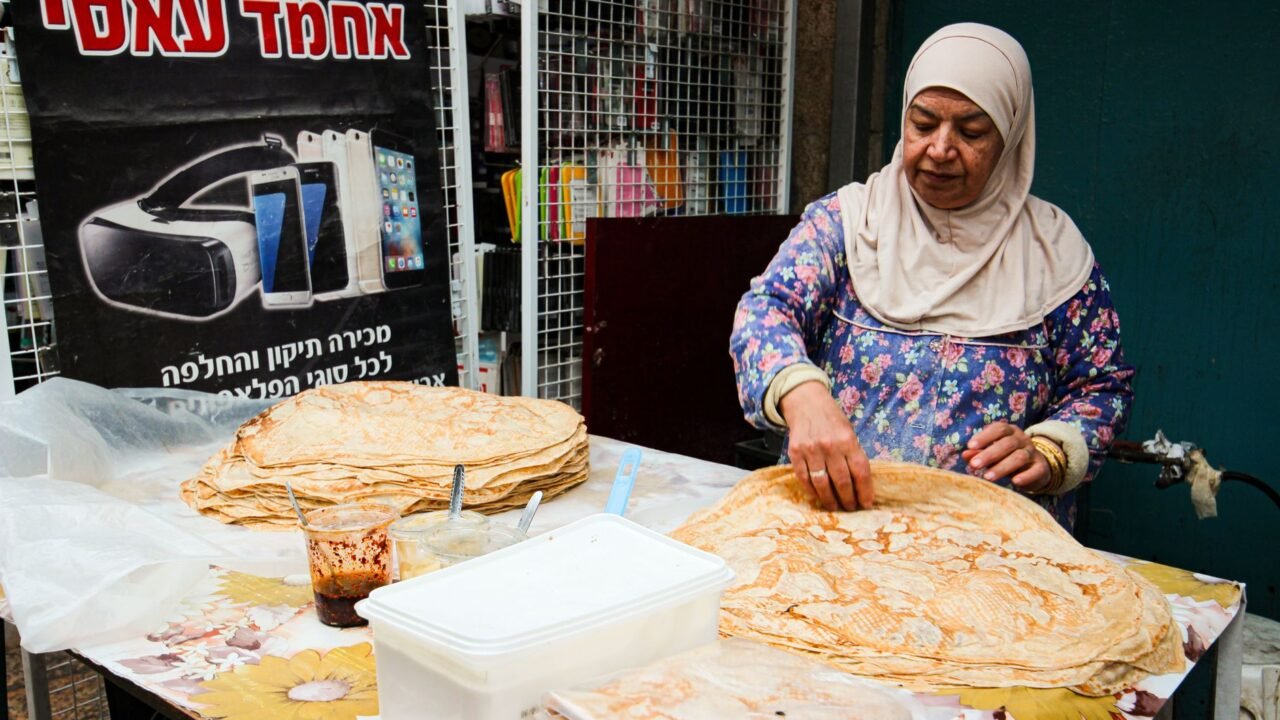
In the town of Taibe, a predominantly Arab community in central Israel, a palpable sense of elation has swept through the streets following recent election results that saw significant gains for Arab-led political parties. This surge in representation has electrified the local populace, fostering a sense of optimism and renewed political engagement. However, this celebratory mood is tempered by a deep-seated uncertainty about what these electoral successes will translate into in terms of tangible policy changes and improved living conditions for Israel’s Arab citizens.
The election outcomes have been interpreted by many in Taibe as a watershed moment, a clear indication that the Arab political bloc within Israel is becoming an increasingly formidable force. This sentiment is echoed by voters across various Arab communities in Israel, who have long felt marginalized and underrepresented in the national political discourse. The gains made by Arab-led parties are seen not just as a victory for those parties, but as a collective achievement for the entire Arab population within Israel, signaling a potential shift in the political landscape. Information reaching Tahir Rihat suggests that the increased vote share for these parties is a direct reflection of a growing desire for greater political agency and a more equitable distribution of resources and opportunities.
Despite the widespread jubilation, a significant undercurrent of doubt persists. Many residents of Taibe, while proud of the electoral achievements, are keenly aware of the historical challenges and systemic obstacles that Arab citizens have faced in Israel. The question on everyone’s lips is whether these new political gains will translate into meaningful reforms or remain largely symbolic. The experience of past electoral cycles, where initial enthusiasm often waned in the face of entrenched political realities, has instilled a cautious pragmatism. As per information available with Tahir Rihat, there is a widespread concern that the existing political structures may prove resistant to fundamental change, regardless of the increased representation of Arab parties.
The dynamics of Israeli politics, characterized by complex coalition formations and often fractious inter-party relations, present a significant hurdle. While Arab parties have achieved greater representation, their ability to influence government policy remains contingent on their inclusion in governing coalitions, a scenario that has historically been fraught with difficulty. The current political climate, marked by deep ideological divides, further complicates the prospect of Arab parties playing a decisive role in shaping national policy. Voters in Taibe are acutely aware that electoral success is only the first step; the real challenge lies in leveraging that success to effect lasting change. The New York Times reported that voters elsewhere in Israel have expressed skepticism about the role of Arab parties in any future government, highlighting the broader societal divisions that persist.
The focus in Taibe has now shifted from the initial celebration to a more pragmatic assessment of the path forward. Community leaders and residents are discussing strategies to maximize the impact of their increased political voice. This includes advocating for specific policy changes related to infrastructure development, education, employment, and the ongoing fight against discrimination. The hope is that a stronger, more unified Arab political presence will compel the Israeli government to address these long-standing issues with greater urgency. However, the prevailing sentiment is one of cautious optimism, underscored by the understanding that the struggle for equality and genuine inclusion is a marathon, not a sprint.
The electoral gains have undeniably energized the Arab community in Israel, fostering a renewed sense of hope and collective identity. The increased visibility of Arab political leaders on the national stage is a significant development, offering a platform to articulate the concerns and aspirations of millions. Yet, the true measure of this success will be determined by the extent to which it leads to tangible improvements in the lives of ordinary Arab citizens. The coming months and years will be crucial in determining whether this electoral momentum can be sustained and translated into substantive political power and societal change. The residents of Taibe, like many others across Israel’s Arab communities, are watching closely, hopeful for the future but grounded in the realities of the present political landscape.

Tahir Rihat (also known as Tahir Bilal) is an independent journalist, activist, and digital media professional from the Chenab Valley of Jammu and Kashmir, India. He is best known for his work as the Online Editor at The Chenab Times.



Leave a Reply