
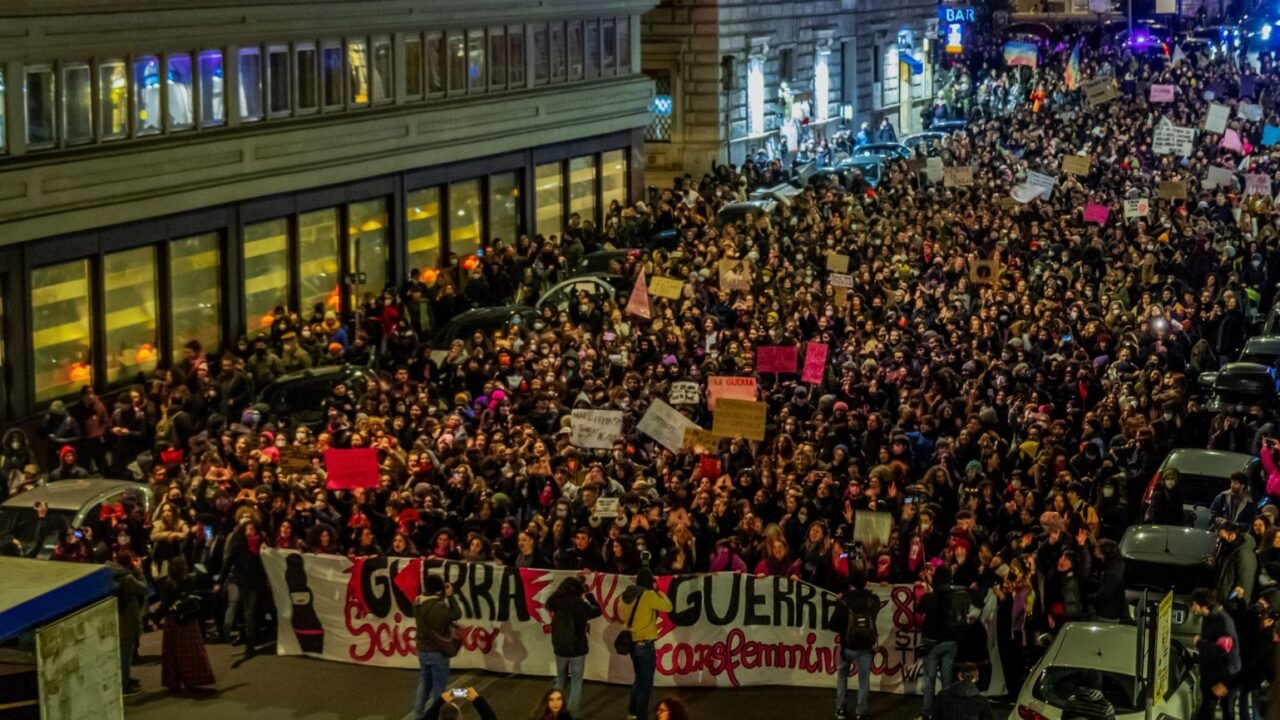
Italy is experiencing a wave of public discontent, with protests erupting in both the northern and southern regions of the country. These demonstrations, fueled by concerns over high prices and a perceived bleak economic future, are drawing parallels to recent unrest in France and could significantly influence the national elections scheduled for next year. Students in the north and truckers in the south have become the primary groups voicing their grievances, highlighting a widespread sense of economic anxiety across the Italian peninsula.
Information reaching Tahir Rihat suggests that the protests are multifaceted, encompassing a range of economic pressures that are impacting ordinary citizens. The rising cost of living, coupled with a general feeling of economic stagnation, has created a fertile ground for public anger. The demonstrations are not confined to a single issue but rather reflect a broader dissatisfaction with the current economic climate and its perceived long-term implications for the nation’s youth and working class.
In the northern parts of Italy, students have been at the forefront of these protests. Their concerns often revolve around the accessibility and affordability of education, as well as future employment prospects in an increasingly competitive and uncertain job market. The economic policies of the current government, led by Prime Minister Giorgia Meloni, are under scrutiny, with critics arguing that they are not adequately addressing the needs of younger generations. The students’ actions are a clear signal that they feel their future is being jeopardized by prevailing economic conditions.
Simultaneously, in the southern regions, truckers have initiated their own demonstrations, primarily targeting the escalating costs associated with fuel and transportation. These logistical challenges directly impact their livelihoods and the broader supply chain, leading to disruptions and further economic strain. The truckers’ protests underscore the significant regional disparities within Italy, with the south often bearing a disproportionate burden of economic hardship. Their actions are a direct response to the immediate financial pressures they face daily.
The inspiration drawn from French demonstrations is a notable aspect of the current Italian unrest. France has recently seen its own series of protests against economic policies, suggesting a growing trend of public resistance to austerity measures and rising living costs across Europe. This cross-border influence indicates that the issues facing Italy are not isolated but are part of a larger European narrative of economic anxiety and social unrest. The success or failure of these Italian protests could set a precedent for similar movements elsewhere.
The potential impact on next year’s national elections is a significant consideration. Political analysts are closely watching how these protests might shape public opinion and influence voting patterns. The dissatisfaction expressed by students and truckers could translate into a shift in political allegiances, potentially challenging the incumbent government and its economic agenda. Parties that can effectively tap into this public anger and offer credible solutions are likely to gain an advantage in the upcoming electoral contest.
The protests are characterized by a sense of urgency and a demand for tangible change. Participants are not merely expressing frustration but are actively seeking policy adjustments that will alleviate their economic burdens and provide a more hopeful outlook for the future. The government faces the challenge of responding to these widespread demands without exacerbating existing economic fragilities. The delicate balancing act between addressing public concerns and maintaining economic stability will be crucial in the coming months.
The demonstrations, while diverse in their immediate focus, share a common thread of fear regarding a listless future. This sentiment is particularly pronounced among younger Italians who are concerned about their ability to secure stable employment and achieve financial independence. The truckers, on the other hand, are grappling with the immediate threat of economic unsustainability in their profession. This dual pressure from different segments of society creates a complex political and social landscape for the Italian government to navigate.
The media coverage of these events is crucial in shaping public perception and influencing policy responses. Independent reporting and analysis are vital for understanding the depth and breadth of the discontent. As the situation evolves, it is imperative for reliable news outlets to provide comprehensive coverage, ensuring that the voices of the protesters are heard and that the underlying economic issues are thoroughly examined. The ongoing developments are being closely monitored by international observers as well, given Italy’s significant role in the European economy.
The government’s response to these protests will be a key determinant of their political future. A failure to address the core economic grievances could lead to further escalation of public anger and a significant erosion of public trust. Conversely, a proactive and empathetic approach, coupled with concrete policy initiatives, could help to de-escalate the situation and restore a sense of optimism among the populace. The coming weeks and months will be critical in determining the trajectory of Italy’s economic and political landscape.

Tahir Rihat (also known as Tahir Bilal) is an independent journalist, activist, and digital media professional from the Chenab Valley of Jammu and Kashmir, India. He is best known for his work as the Online Editor at The Chenab Times.

Leave a Reply