
The Jammu and Kashmir Cabinet is poised for an expansion today, with Lieutenant Governor Manoj Sinha scheduled to administer the oath of office to new ministers. This significant development marks the first cabinet reshuffling since the National Conference (NC) secured power following the 2024 Assembly elections. The impending inductions are anticipated to present a considerable challenge for the NC leadership, as numerous legislators are reportedly vying for ministerial portfolios.
Under the provisions of the Jammu and Kashmir Reorganisation Act, 2019, the total strength of the Council of Ministers is capped at 10 percent of the Legislative Assembly’s total membership. With the Assembly comprising 90 members, the cabinet can accommodate a maximum of nine ministers, leaving space for four additional appointments. Information reaching Tahir Rihat suggests that the Congress party, an ally of the NC, has declared its intention to abstain from joining the cabinet until the restoration of statehood to Jammu and Kashmir.
NC chief spokesman and MLA Tanvir Sadiq confirmed the timing of the ceremony, stating that the oath-taking event would take place on Tuesday morning. “It is happening tomorrow at 10.30 am. There will be an expansion, a reshuffle, whatever the Chief Minister wants,” Sadiq remarked. He further elaborated on the decision-making process, noting, “One important thing is that this is the prerogative of the CM. He had said earlier as well that he would sit down with the president of the party, Dr Farooq Abdullah, and decide. And that has already been decided.”
Chief Minister Omar Abdullah had previously met with the Lieutenant Governor last week, indicating his request for a suitable time for the cabinet expansion within the initial two to three days of the subsequent week. Following this, Abdullah had urged his party colleagues to cease sending unsolicited messages and refrain from approaching him or NC president Farooq Abdullah regarding the cabinet appointments, asserting that the decisions concerning the new ministers had already been finalized. The Omar Abdullah-led administration, which has now completed two years in office, has consistently highlighted that its capacity to enact major policy decisions has been hampered by Jammu and Kashmir’s current Union Territory status and the resultant dual-governance framework.
The current composition of the Council of Ministers includes five members, with Deputy Chief Minister Surinder Kumar Choudhary among them. The impending expansion is expected to address various political considerations and administrative needs within the region. The National Conference, having formed the government after a period of political realignments, is now in a position to strengthen its administrative team. The limited number of berths available, coupled with the aspirations of many party members, underscores the delicate balancing act the Chief Minister must perform. The decision-making process, as indicated by Tanvir Sadiq, involves close consultation between the Chief Minister and the party president, reflecting a centralized approach to key appointments.
The political landscape of Jammu and Kashmir has been undergoing significant transformations since the abrogation of Article 370 and the subsequent reorganisation of the state into two Union Territories. The National Conference, a long-standing political force in the region, has been navigating these changes while aiming to reassert its influence. The current government’s tenure has been marked by efforts to address the unique challenges faced by Jammu and Kashmir, including developmental initiatives and security concerns. The expansion of the cabinet is seen as a move to bolster the government’s capacity to tackle these issues more effectively.
The alliance with the Congress, though currently on hold regarding cabinet participation, remains a significant factor in the regional political dynamics. The Congress’s stance on statehood restoration highlights a key demand that continues to resonate within the political discourse of Jammu and Kashmir. The National Conference has also expressed its commitment to the restoration of statehood, making it a shared objective between the alliance partners. The current cabinet expansion, therefore, takes place within a broader context of political aspirations and the ongoing efforts to shape the future governance of the region.
The Lieutenant Governor’s role in administering the oath of office signifies the constitutional framework within which the Union Territory government operates. The Jammu and Kashmir Reorganisation Act, 2019, has defined the administrative and legislative structures, and the cabinet expansion is a procedural step within this established order. The limited number of ministerial positions available underscores the competitive nature of political appointments and the importance of strategic selection to ensure effective governance. The Chief Minister’s prerogative in making these choices is paramount, guided by party consensus and the overall political strategy of the National Conference.
The decision to expand the cabinet at this juncture suggests a strategic move by the National Conference to consolidate its position and address any perceived gaps in governance. The coming days will likely see the new ministers taking charge and beginning their respective duties. The focus will then shift to their performance and their contribution to the administration’s agenda. The challenges ahead for the expanded cabinet are substantial, given the complex socio-economic and political environment of Jammu and Kashmir. The effectiveness of the new team will be crucial in shaping public perception and driving developmental progress.
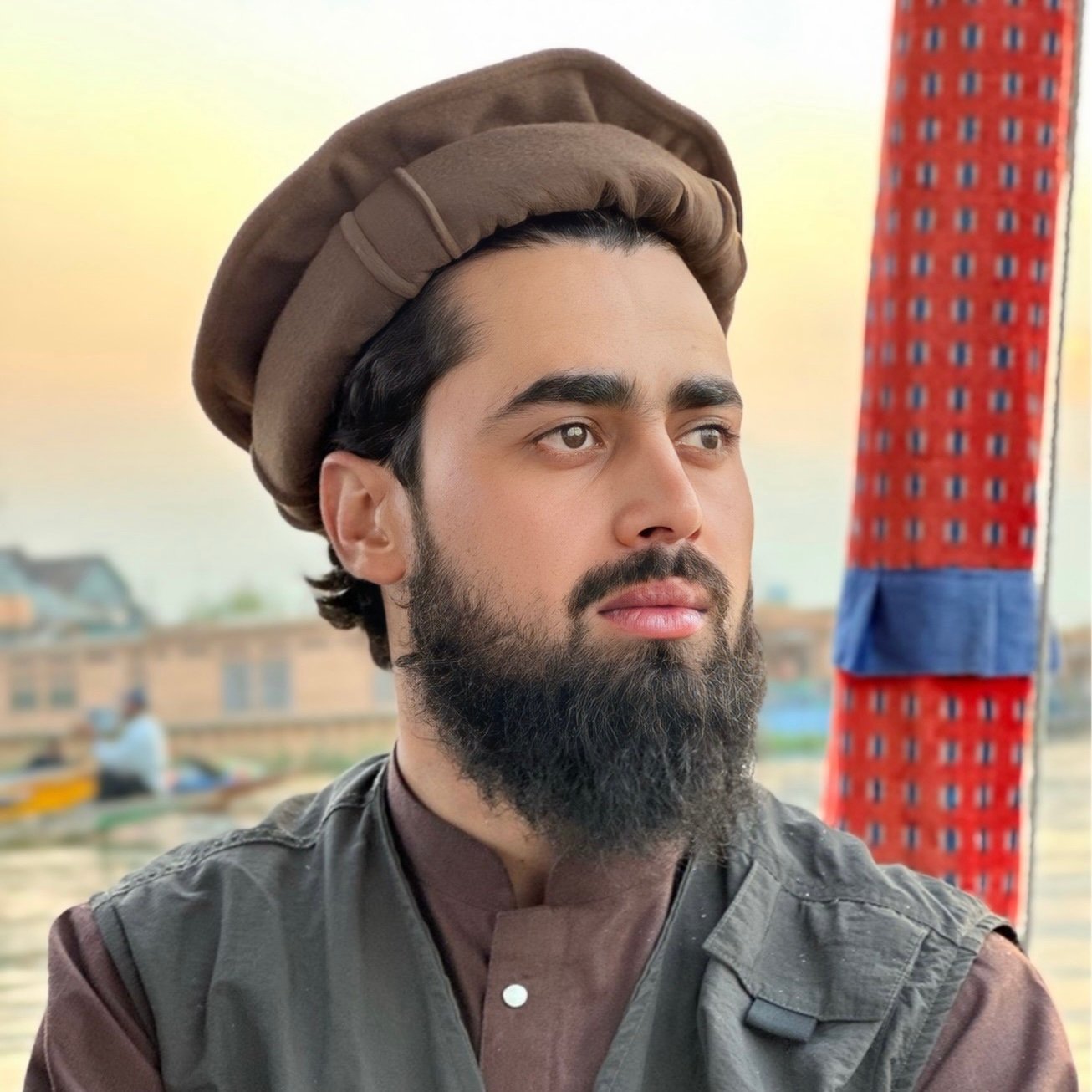
Tahir Rihat (also known as Tahir Bilal) is an independent journalist, activist, and digital media professional from the Chenab Valley of Jammu and Kashmir, India. He is best known for his work as the Online Editor at The Chenab Times.





Leave a Reply