
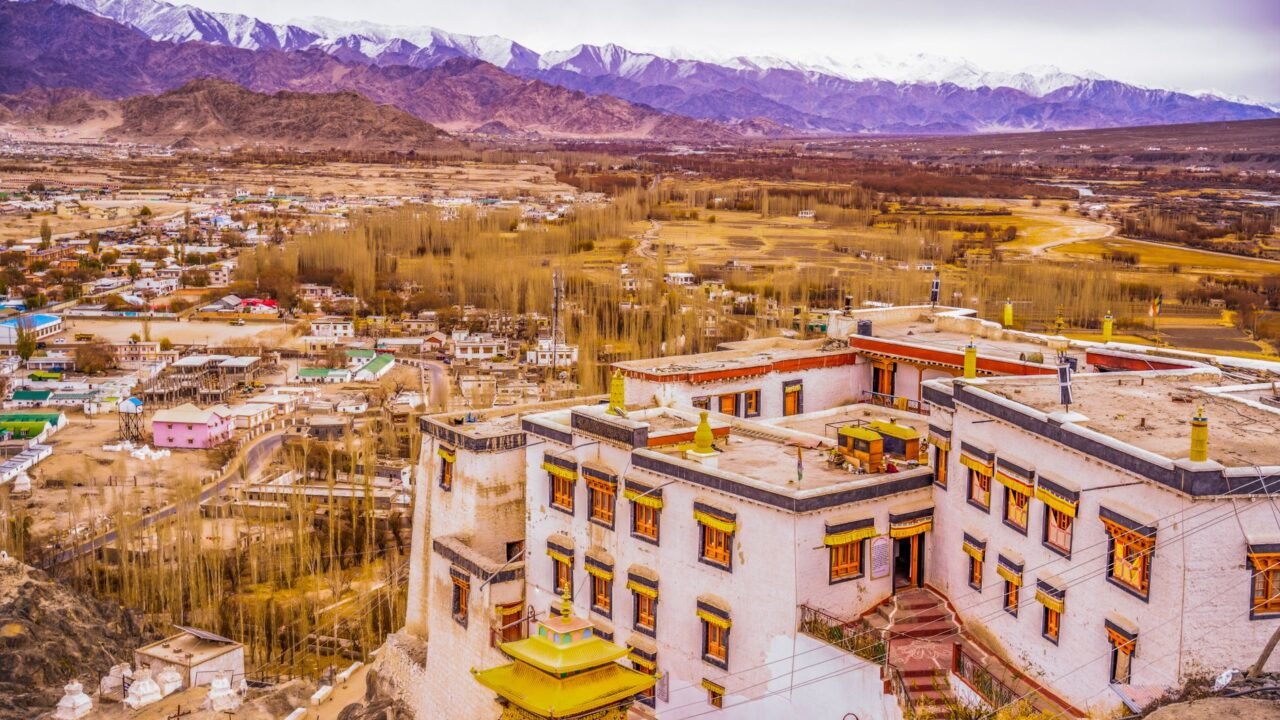
The Kargil Democratic Alliance (KDA), a prominent body engaged in discussions with the Central Government regarding Ladakh‘s demands, has voiced strong objections to recent amendments affecting the Autonomous Hill Development Councils (AHDCs) within the Union Territory. The KDA has characterized the government’s decision to alter legal terminology, administrative structures, and electoral provisions governing these councils as “deeply problematic,” particularly at a time when negotiations for Ladakh’s constitutional status and enhanced protections are underway.
Sajad Kargili, co-chairman of the KDA, articulated these concerns via the social media platform X, stating that the unilateral changes to the composition, powers, and functioning of the AHDCs, made without consulting the populace and stakeholders of Ladakh, undermine the ongoing dialogue. He emphasized that these institutions are central to local self-governance and that any modifications to their framework are particularly sensitive given the current discussions surrounding Ladakh’s political and constitutional future. Information reaching Tahir Rihat suggests that the KDA views these actions as an attempt by the government to reshape the institutional landscape that is itself a subject of negotiation, while simultaneously increasing the Union Territory Administration’s oversight over the councils.
Kargili further questioned the government’s commitment to the dialogue process, expressing apprehension that the eventual settlement might not guarantee genuine autonomy for Ladakh, potentially leaving its representative bodies susceptible to executive discretion. The amendments, which align the AHDCs with the Jammu and Kashmir Reorganisation Act, 2019, were recently enacted. Under the Ladakh Autonomous Hill Development Councils (Amendment) Regulation, the Ladakh Administration will now be responsible for determining the number of elected seats in each council, with a minimum of seven and a maximum of 24 seats. Additionally, the administration retains the authority to nominate up to four members from specific groups, including women and unrepresented communities, provided such nominations do not exceed one-sixth of the council’s population.
Ladakh’s leadership has consistently urged the government to defer significant policy decisions concerning the Union Territory until the conclusion of the ongoing talks. However, officials have countered this by asserting that the administration cannot halt efforts to address the day-to-day needs and challenges faced by the residents. Ladakh Chief Secretary Ashish Kundra recently stated that the administration’s mandate is to resolve public problems and that the Lieutenant Governor, acting as the President’s representative, has constitutional obligations to fulfill. This stance highlights a fundamental disagreement on the timing and scope of administrative actions during a period of sensitive political negotiations.
The KDA’s objection centers on the principle of consultation and the potential for these administrative changes to pre-empt or influence the outcome of the broader discussions on Ladakh’s future. The alliance has been advocating for greater political and administrative autonomy, including a demand for constitutional safeguards for the region. The amendments, by altering the foundational structure and electoral dynamics of the Hill Development Councils, are seen by the KDA as a move that could diminish the very autonomy they are seeking to strengthen. The composition of the councils, now subject to administrative determination of elected seats and nominated members, raises concerns about the extent of local representation and control.
The source indicates that the government’s rationale for the amendments is to streamline administrative processes and ensure alignment with the existing legal framework of the Union Territory. However, this perspective is at odds with the KDA’s interpretation, which views these changes as a unilateral assertion of control rather than a collaborative step towards resolving Ladakh’s aspirations. The ongoing dialogue, which has been a key avenue for addressing Ladakh’s demands, now faces a significant hurdle due to these recent administrative actions. The KDA’s strong reaction underscores the deep-seated concerns among the people of Ladakh regarding their political future and the mechanisms of self-governance.
The implications of these amendments extend beyond administrative adjustments; they touch upon the core of political representation and the balance of power between the elected councils and the administrative apparatus. The KDA’s assertion that the government is altering the institutional framework that is the subject of negotiation itself suggests a potential erosion of trust in the dialogue process. The future of Ladakh’s political and constitutional arrangements remains a critical issue, and the KDA’s stance indicates that any perceived undermining of local representative institutions will be met with significant resistance. The government’s position, as articulated by the Chief Secretary, emphasizes the need to continue governance and address immediate public concerns, but this approach appears to have created a rift with the political bodies advocating for long-term structural changes.
The current situation presents a complex interplay between administrative necessity and political aspiration. While the government may view the amendments as routine administrative updates, the KDA and other stakeholders in Ladakh perceive them as significant policy shifts that could impact the region’s autonomy. The coming days are likely to see further exchanges between the KDA and the Central Government as they navigate this contentious issue, with the broader implications for Ladakh’s self-governance hanging in the balance. The effectiveness of the ongoing dialogue will be tested by how these divergent perspectives are reconciled and whether a consensus can be reached on the future institutional framework of the Union Territory.

Tahir Rihat (also known as Tahir Bilal) is an independent journalist, activist, and digital media professional from the Chenab Valley of Jammu and Kashmir, India. He is best known for his work as the Online Editor at The Chenab Times.


Leave a Reply