
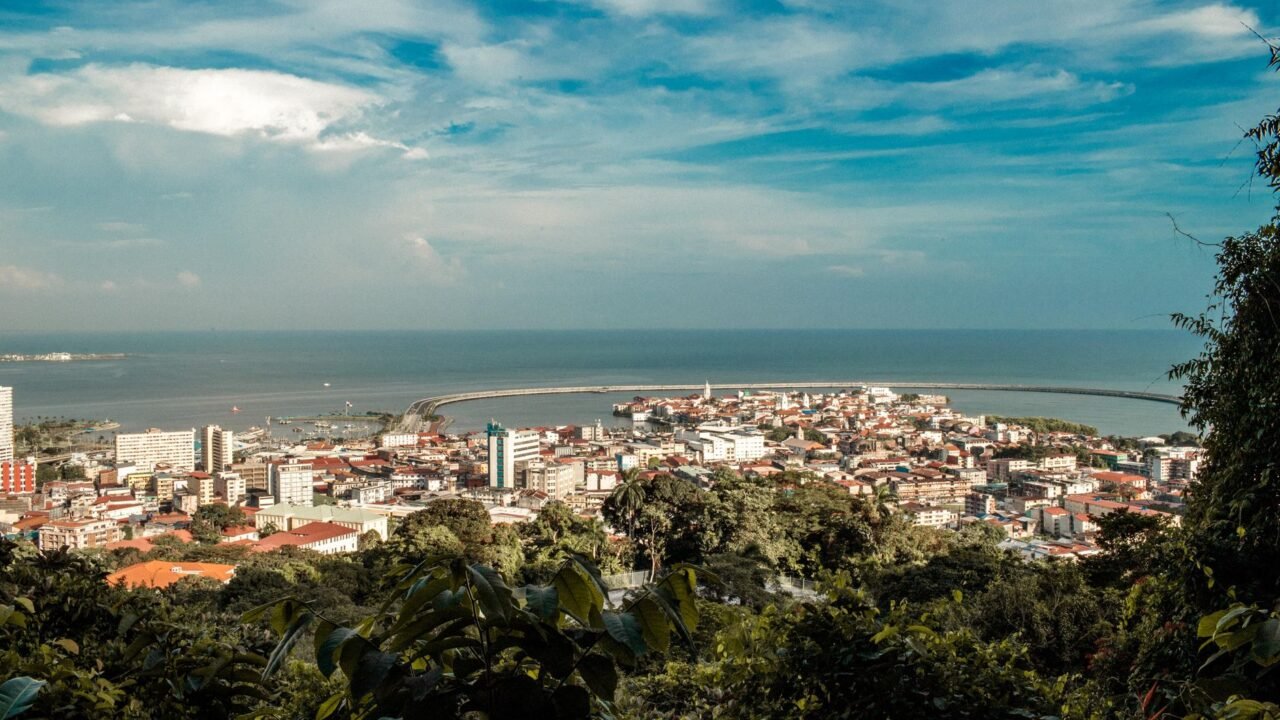
A powerful earthquake with a preliminary magnitude of 7.7 struck Panama on Friday, prompting immediate tsunami alerts for coastal regions. The seismic event was centered in the country’s southern territory, an area known for its geological activity. Following the initial tremor, a series of strong aftershocks were recorded within the hour, further unsettling the region and raising concerns about potential damage and ongoing seismic risks.
Information reaching Tahir Rihat suggests that the earthquake’s epicenter was located in a part of Panama that faces the Pacific Ocean, a critical factor in the issuance of tsunami warnings. The magnitude, classified as major, has the potential to cause widespread destruction, especially in areas with less robust infrastructure. Emergency services across Panama and neighboring coastal nations were immediately mobilized to assess the situation and prepare for potential impacts. The Pacific Tsunami Warning Center issued alerts, advising residents in low-lying coastal areas to seek higher ground as a precautionary measure. The full extent of the earthquake’s impact, including any casualties or significant structural damage, is still being assessed as communication lines are being restored in affected areas.
The U.S. Geological Survey confirmed the magnitude of the earthquake, noting its shallow depth, which often contributes to more intense shaking at the surface. Panama, situated on the Isthmus of Panama, is part of the Pacific Ring of Fire, a horseshoe-shaped zone of intense seismic and volcanic activity that encircles the Pacific Ocean. This geological setting makes the region particularly susceptible to earthquakes and tsunamis. The country has experienced significant seismic events in its history, and preparedness drills are a regular feature of its disaster management strategy. However, the magnitude of this latest quake presents a severe test of those preparedness measures.
Authorities are urging residents to remain vigilant and follow the guidance of local emergency officials. The aftershocks, which are common after major earthquakes, can continue for hours or even days and can cause further damage to already weakened structures. The focus in the immediate aftermath is on search and rescue operations, damage assessment, and ensuring the safety of the population. International aid organizations are reportedly on standby, ready to provide assistance if requested by the Panamanian government. The economic implications of such a significant natural disaster are also a growing concern, with potential disruptions to trade, tourism, and local industries.
The tsunami warning system is designed to provide early notification of potential sea level changes that could affect coastal communities. The speed at which the warning was issued following the earthquake indicates the effectiveness of the monitoring systems in place. However, the actual impact of any tsunami depends on various factors, including the earthquake’s magnitude, depth, and the specific coastal topography. Residents in the warned zones are being advised to stay away from beaches and harbors until an all-clear is given by official sources. The situation remains dynamic, with continuous updates expected from Panamanian disaster management agencies and international seismological bodies.
The southern region of Panama, where the earthquake was centered, includes several coastal towns and rural communities. The accessibility of these areas can be a challenge for emergency responders, particularly in the initial hours after a disaster. Information dissemination is crucial, and authorities are working to ensure that residents receive accurate and timely updates through all available channels. The government has pledged to provide all necessary resources to manage the crisis and support affected populations. The international community is closely monitoring the situation, with many nations offering their support and expertise.
The preliminary magnitude of 7.7 places this earthquake among the most powerful to have struck the region in recent memory. Earthquakes of this magnitude can generate significant seismic waves that travel long distances, causing shaking felt across vast areas. The immediate concern is the safety of those in the vicinity of the epicenter and along the coastlines that might be affected by a tsunami. The response efforts will likely involve a coordinated approach between national agencies, local authorities, and international partners to address the multifaceted challenges posed by this major natural disaster.

Tahir Rihat (also known as Tahir Bilal) is an independent journalist, activist, and digital media professional from the Chenab Valley of Jammu and Kashmir, India. He is best known for his work as the Online Editor at The Chenab Times.


Leave a Reply