
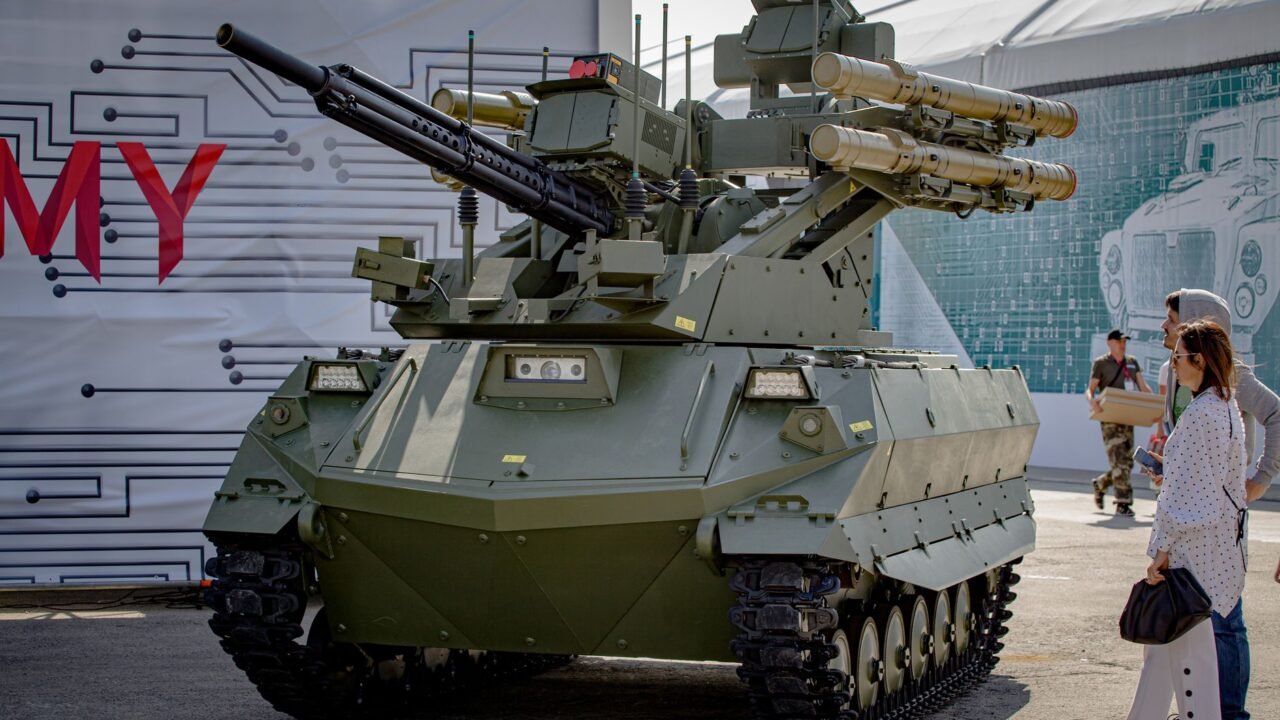
An incident at a British air base may signal the dawn of a new era in low-intensity conflict, characterized by the utilization of unconventional tactics and potentially a decentralized network of actors. While details remain scarce, the event has prompted defense analysts to consider the evolving landscape of modern warfare, where traditional state-on-state confrontations are increasingly being supplemented or replaced by more amorphous and technologically enabled forms of engagement.
The precise nature of the incident at the British air base, which has not been fully disclosed, is being scrutinized for its implications on national security. Information reaching Tahir Rihat suggests that the event involved a sophisticated disruption that bypassed conventional security measures, raising concerns about the vulnerability of critical infrastructure. This development comes at a time when global powers are grappling with hybrid warfare strategies that blend cyberattacks, disinformation campaigns, and targeted physical actions, often executed by non-state actors or through proxies.
Experts are pointing to the potential rise of what could be termed ‘gig economy warfare.’ This concept posits that future conflicts might not solely be waged by national armies but could involve a fluid, on-demand workforce of individuals or groups hired for specific disruptive tasks. These actors might operate with varying degrees of anonymity, making attribution and response exceedingly difficult for targeted nations. The economic model of the gig economy, with its emphasis on flexible contracts and remote work, could theoretically be adapted to the realm of security and intelligence operations, creating a new class of operatives unbound by traditional military structures.
The implications of such a shift are profound. For nations, it necessitates a re-evaluation of defense strategies, moving beyond the defense of physical borders to encompass the protection of digital infrastructure and the monitoring of a globalized, often opaque, network of potential adversaries. The ability to rapidly mobilize and deploy resources, a hallmark of the gig economy, could be mirrored in the swift and targeted execution of disruptive operations, overwhelming traditional defense mechanisms designed for more predictable threats. The economic incentives for individuals to participate in such activities, whether financial gain or ideological motivation, could also be a significant factor in the proliferation of this new form of conflict.
The incident at the British air base, while specific, serves as a potential harbinger of broader trends. The increasing reliance on digital systems for critical functions, from power grids to transportation networks, makes them prime targets for disruption. The interconnectedness of the global economy means that a successful strike in one location can have cascading effects far beyond the immediate vicinity. This interconnectedness, coupled with the accessibility of advanced technology, lowers the barrier to entry for those seeking to inflict damage or sow chaos. The challenge for governments worldwide lies in developing robust defenses against threats that are increasingly decentralized, adaptable, and difficult to trace back to their origins.
The notion of ‘gig economy warfare’ also raises complex legal and ethical questions. If individuals are hired for specific missions, who bears responsibility for the consequences? How can international law adapt to a scenario where the lines between civilian and combatant, and between state and non-state actor, become increasingly blurred? The potential for plausible deniability on the part of those orchestrating such attacks adds another layer of complexity to an already challenging security environment. The ability of these actors to leverage readily available technology and a global talent pool for hire could significantly alter the balance of power in future conflicts, favoring those who can effectively harness these new operational models.
The incident underscores the need for enhanced international cooperation in intelligence sharing and the development of common frameworks for addressing these novel threats. Without a coordinated global response, nations may find themselves increasingly vulnerable to attacks that are difficult to detect, attribute, and counter. The evolving nature of conflict demands a proactive and adaptive approach, one that anticipates and prepares for the challenges posed by a world where warfare can be conducted with the flexibility and reach of the modern gig economy.

Tahir Rihat (also known as Tahir Bilal) is an independent journalist, activist, and digital media professional from the Chenab Valley of Jammu and Kashmir, India. He is best known for his work as the Online Editor at The Chenab Times.






Leave a Reply