
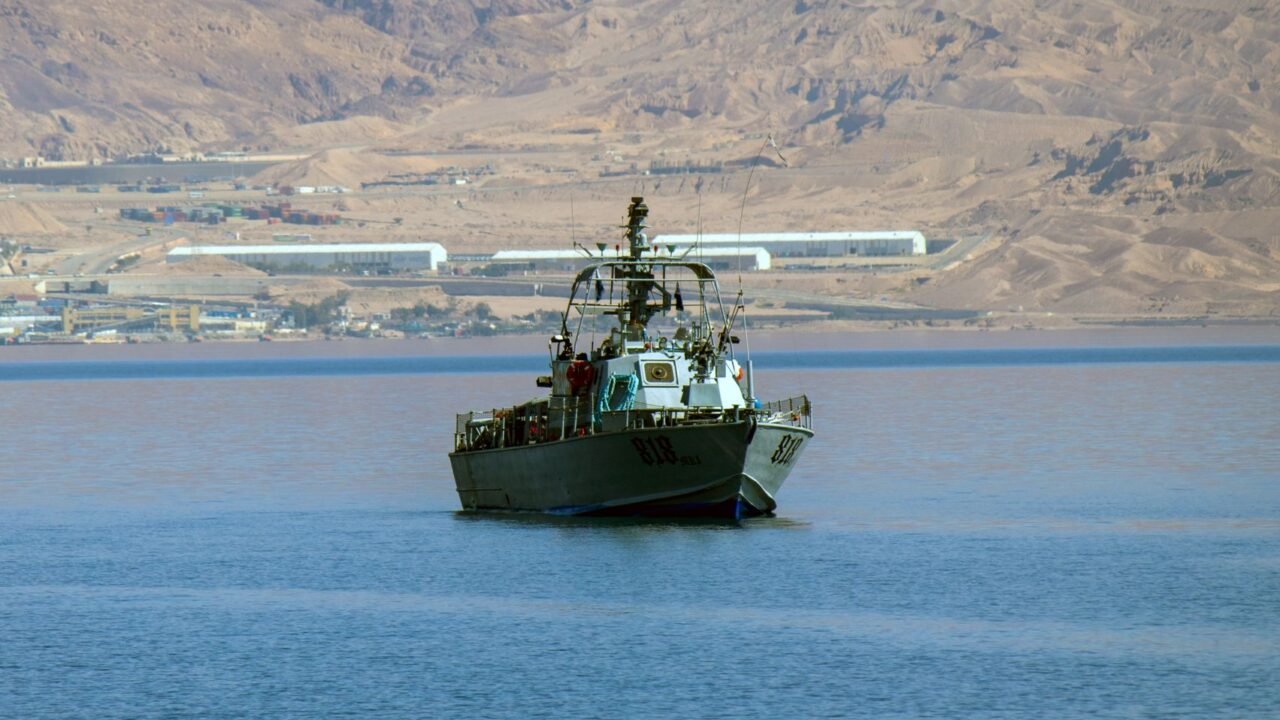
Saudi Arabian and Yemeni forces have initiated a significant offensive aimed at reclaiming control of the strategically vital Bab al-Mandab Strait from Houthi rebels. This military operation marks a crucial escalation in the ongoing conflict in Yemen, with the primary objective of securing a key maritime chokepoint that influences global trade routes.
The offensive, details of which are still emerging, is designed to dislodge the Iran-backed Houthi militia from their positions along the Red Sea coast. The Bab al-Mandab Strait, situated between Yemen and Djibouti, is one of the world’s busiest shipping lanes, connecting the Mediterranean Sea to the Indian Ocean via the Suez Canal. Control of this waterway is of immense strategic and economic importance.
As per information available with Tahir Rihat, the Houthi movement has been a significant impediment to maritime traffic in the region, with reports of attacks and threats against commercial vessels. The Saudi-led coalition has long sought to counter Houthi influence and restore the internationally recognized Yemeni government to power. This latest push represents a concerted effort to achieve a tangible strategic gain by securing a critical geographical area.
The operation involves a multi-pronged approach, with ground forces and potentially naval assets working in concert. The success of this offensive could have far-reaching implications for the balance of power in Yemen and the broader security landscape of the Middle East. The Bab al-Mandab Strait’s strategic significance cannot be overstated; any disruption to its traffic can lead to substantial increases in shipping costs and delays, impacting economies worldwide.
The Houthis, who have controlled significant parts of Yemen, including the capital Sanaa, since late 2014, have consistently denied accusations of targeting civilian shipping and have framed their actions as defensive measures against the Saudi-led intervention. However, international observers and maritime security agencies have documented numerous incidents attributed to the group in the Red Sea and the Gulf of Aden.
The Saudi-led coalition’s intervention in Yemen began in March 2015, aiming to restore the government of President Abd Rabbuh Mansur Hadi, who was ousted by the Houthis. The conflict has since devolved into a protracted and devastating humanitarian crisis, with millions displaced and facing starvation. Despite years of fighting and numerous attempts at peace negotiations, a lasting resolution has remained elusive.
This new offensive underscores the continued military engagement by regional powers in the Yemeni theater. The involvement of Yemeni forces alongside Saudi troops suggests a coordinated strategy to leverage local support and military capabilities in the push to regain territory. The Bab al-Mandab Strait has been a focal point of the conflict, with previous skirmishes and attacks occurring in its vicinity, highlighting its strategic value.
The international community has long expressed concerns over the freedom of navigation in the Bab al-Mandab Strait. Any sustained threat to this waterway could trigger further international attention and potentially diplomatic interventions. The economic impact of such disruptions is a primary concern for global trade, making the security of this maritime passage a matter of international significance.
The offensive is expected to be met with resistance from Houthi forces, who have demonstrated resilience and adaptability throughout the conflict. The coming days and weeks will likely reveal the extent of territorial gains and the effectiveness of the joint Saudi-Yemeni operation in achieving its stated objectives. The humanitarian implications of intensified fighting in coastal areas also remain a significant concern, with potential for further displacement and civilian casualties.
The strategic importance of the Bab al-Mandab Strait extends beyond its role in global trade. It is also a critical transit point for military assets and naval forces operating in the region. Securing this strait would significantly enhance the operational capabilities of the Saudi-led coalition and its allies, while simultaneously limiting the strategic reach of the Houthi movement and its backers.
The ongoing conflict in Yemen has been a complex proxy war, with Iran reportedly providing support to the Houthi rebels, a claim that Tehran denies. The Saudi-led coalition, on the other hand, receives support from several other Arab nations and has had backing from the United States and other Western powers. The Bab al-Mandab Strait has been a flashpoint where these regional rivalries and international interests converge.
The offensive’s success will likely be measured not only by territorial gains but also by the ability to establish lasting security and stability in the region. The long-term implications for maritime security and the flow of global commerce will be closely watched by governments and businesses worldwide. The humanitarian cost of any renewed surge in fighting will also be a critical factor in assessing the overall impact of this new military development.

Tahir Rihat (also known as Tahir Bilal) is an independent journalist, activist, and digital media professional from the Chenab Valley of Jammu and Kashmir, India. He is best known for his work as the Online Editor at The Chenab Times.






Leave a Reply