
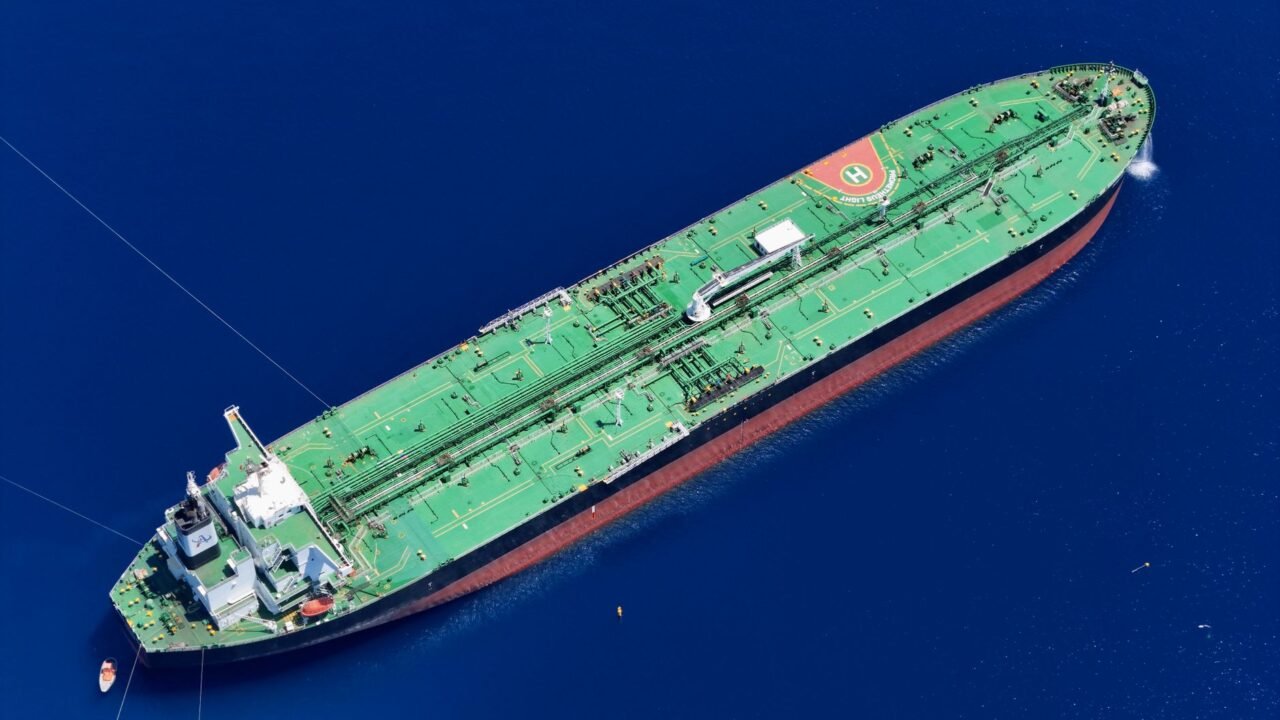
The Houthi movement in Yemen has claimed responsibility for launching attacks on two Saudi Arabian oil tankers in the Red Sea. This assertion marks a significant escalation in the ongoing conflict, with the Iran-backed group stating these strikes are part of a newly declared blockade against Saudi Arabia. The full extent of the damage and the specific vessels targeted remain unclear, as Saudi authorities have yet to officially confirm the incidents.
Information reaching Tahir Rihat suggests that the reported attacks, if confirmed, would represent the first such assaults on Saudi oil infrastructure since the Houthis announced their intention to interdict shipping and target assets belonging to the kingdom. The Red Sea is a vital global shipping lane, and any disruption to oil tanker traffic could have far-reaching economic implications. The Houthis have been engaged in a protracted conflict with a Saudi-led coalition for years, and this latest claim indicates a potential broadening of their operational scope.
The Houthi military spokesperson, Yahya Saree, issued a statement detailing the alleged strikes, asserting that they were carried out with precision and aimed to disrupt Saudi oil exports. The group has previously warned that it would not hesitate to take further action against what it deems aggressor nations. The announcement of a blockade on Saudi Arabia, if implemented effectively, could significantly impact global energy markets and further complicate efforts to find a peaceful resolution to the Yemeni civil war.
The Saudi-led coalition has not yet provided an official statement regarding the alleged attacks. In the past, Saudi Arabia has attributed previous attacks on its oil facilities and shipping to the Houthis, often citing evidence of Iranian involvement in supplying the weaponry and expertise. The international community has consistently called for de-escalation and a return to diplomatic negotiations to end the devastating conflict in Yemen, which has led to one of the world’s worst humanitarian crises.
The Red Sea’s strategic importance cannot be overstated. It connects the Mediterranean Sea to the Indian Ocean via the Suez Canal, making it a critical route for oil and gas shipments from the Middle East to Europe and North America. Any sustained threat to shipping in this waterway could lead to increased insurance costs for vessels, rerouting of cargo, and ultimately, higher energy prices for consumers worldwide. The potential for retaliatory measures from Saudi Arabia or its allies also looms, raising concerns about a wider regional conflict.
Analysts are closely monitoring the situation for official confirmations and any potential responses from Saudi Arabia and its allies. The credibility of the Houthi claims will be a key factor in assessing the immediate impact on regional security and global markets. The group’s capacity to execute such attacks, particularly against moving targets like oil tankers, is a subject of ongoing scrutiny. Previous incidents attributed to the Houthis have involved missiles and drone strikes, often targeting ports, airports, and oil infrastructure within Saudi Arabia and the United Arab Emirates.
The timing of this announcement is also significant, coming at a time when international efforts to broker a lasting ceasefire in Yemen have seen limited success. The Houthi movement has been a dominant force in northern Yemen since seizing the capital, Sanaa, in 2014. The conflict escalated in 2015 when a Saudi-led coalition intervened to support the internationally recognized government. The war has resulted in widespread destruction, displacement, and famine, with millions of Yemenis reliant on humanitarian aid for survival.
The implications of these claimed attacks extend beyond the immediate maritime security concerns. They could also influence the ongoing political negotiations and the dynamics of regional power balances. The Houthi movement’s ability to project force into international waters, if proven, underscores their persistent capability to disrupt regional stability. The international community’s response will be crucial in determining whether this incident leads to further escalation or serves as a catalyst for renewed diplomatic engagement.
The maritime security agency of the United Kingdom, known as the UK Maritime Trade Operations (UKMTO), has also been a key source of information for maritime incidents in the region. While the UKMTO has not yet issued a specific alert related to these claimed attacks on Saudi tankers, it routinely monitors and reports on any suspicious activities or security threats in the waters off Yemen and along the Red Sea coast. Their advisories are closely watched by shipping companies and naval forces operating in the area.
The geopolitical ramifications of the conflict in Yemen continue to be a major concern for global powers. The involvement of regional rivals, particularly Iran’s alleged support for the Houthis, adds another layer of complexity to the situation. The United States, a key ally of Saudi Arabia, has previously expressed its commitment to ensuring freedom of navigation in the Red Sea and has condemned attacks on civilian infrastructure. The response from Washington and other major global players will be closely scrutinized in the coming days.
The Houthis have consistently maintained that their actions are in defense of Yemen against foreign intervention. Their claims of targeting Saudi oil tankers are likely intended to exert maximum pressure on Riyadh to end its military involvement in Yemen and lift the blockade it has imposed on Houthi-controlled territories. The effectiveness of such pressure tactics, however, remains a subject of debate, as past actions have often led to increased military responses rather than concessions.
The international maritime community is on high alert following the Houthi claims. Shipping companies are likely to reassess their routes and security measures in the Red Sea. The potential for miscalculation or accidental escalation remains a significant risk in this volatile region. The coming days will be critical in determining the trajectory of this developing situation and its broader impact on regional and global security.

Tahir Rihat (also known as Tahir Bilal) is an independent journalist, activist, and digital media professional from the Chenab Valley of Jammu and Kashmir, India. He is best known for his work as the Online Editor at The Chenab Times.






Leave a Reply