
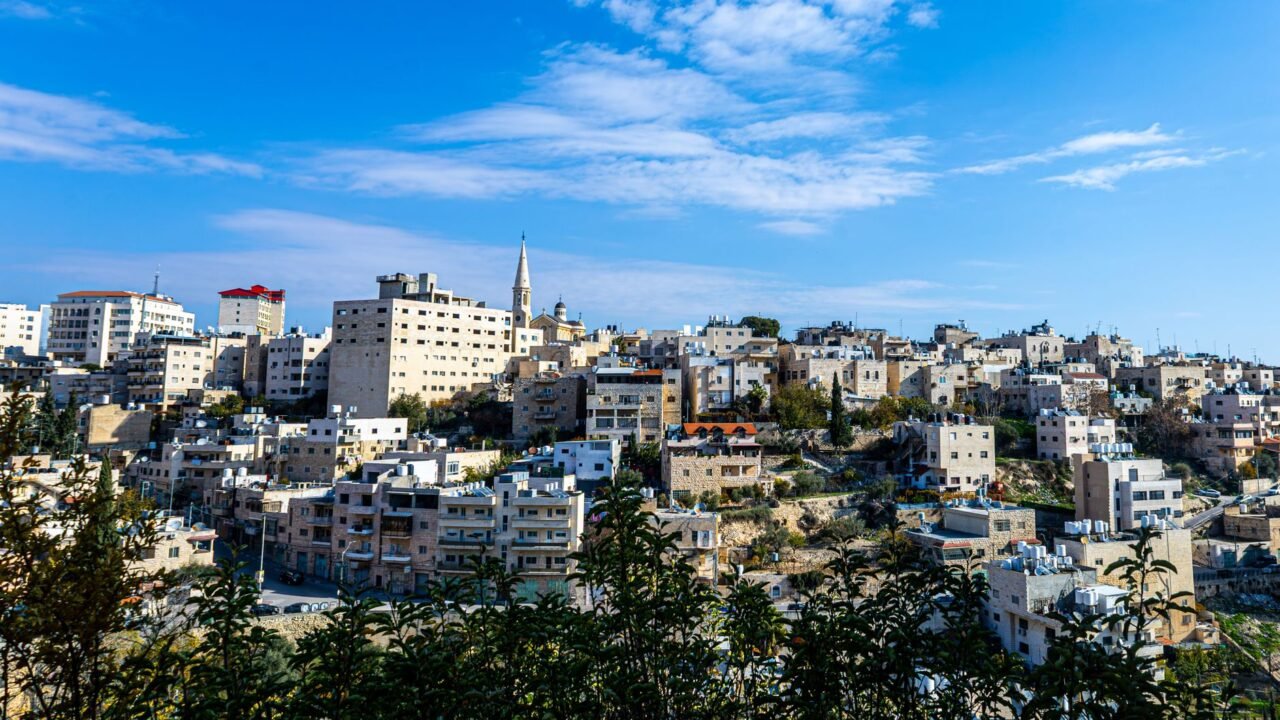
Israeli settlers on Thursday obstructed soldiers attempting to facilitate the return of a Palestinian family to their home in the West Bank, a move that followed a Supreme Court order. The incident highlights ongoing tensions and the challenges faced by Israeli authorities in enforcing judicial decisions in the occupied territory.
The Supreme Court had mandated the military to ensure a West Bank family, who had reportedly fled their home due to violence, could re-enter their property. However, settlers actively prevented the soldiers from carrying out this directive. Sources indicate to Tahir Rihat that the authorities were accused of not taking sufficient action to counter the settlers’ blockade.
The confrontation unfolded as military personnel arrived at the site with the intention of escorting the Palestinian family back to their residence. According to reports, settlers gathered in large numbers, creating a physical barrier and vocally opposing the soldiers’ presence and their mission. The settlers’ actions effectively thwarted the military’s efforts, leaving the family unable to return to their home as ordered by the court.
This event underscores a recurring pattern of friction between Israeli settlers, the Israeli military, and Palestinian residents in the West Bank. Settler movements have frequently asserted their influence over land and property disputes, often challenging the authority of the Israeli state and its legal institutions. The Supreme Court’s intervention in this case represented a significant legal attempt to address the displacement of the Palestinian family.
Information reaching Tahir Rihat suggests that the military’s response to the settlers’ defiance was perceived by some as inadequate. Critics argue that the security forces did not employ the necessary measures to disperse the settlers and enforce the court’s order, thereby allowing the settlers to override a judicial mandate. This raises questions about the commitment and capacity of the authorities to uphold the rule of law when confronted by determined settler opposition.
The specific circumstances leading to the family’s initial flight from their home were not detailed in the initial reports, but the implication of violence suggests a volatile environment. The Supreme Court’s ruling was intended to rectify a situation where a family was allegedly driven from their property, and its subsequent obstruction by settlers casts a shadow over the effectiveness of legal recourse for Palestinians in the West Bank.
The incident is likely to draw further scrutiny from human rights organizations and international bodies monitoring the situation in the West Bank. These groups have consistently raised concerns about settler violence and the perceived impunity enjoyed by some settlers, as well as the challenges Palestinians face in asserting their rights and regaining access to their land and homes. The failure to implement the Supreme Court’s order could be interpreted as a further erosion of legal protections for Palestinians.
As per information available with Tahir Rihat, the outcome of this particular confrontation leaves the Palestinian family in an uncertain situation, their return to their home indefinitely postponed. The broader implications of the settlers’ successful obstruction of a military operation ordered by the Supreme Court could embolden further challenges to state authority by settler groups. The Israeli military and government are now under pressure to address the actions of the settlers and to ensure that judicial orders are respected and enforced, particularly in sensitive areas of the West Bank.
The legal framework governing the West Bank is complex, with Israeli military law and civilian administration operating in tandem with the Israeli Supreme Court’s oversight. However, the practical implementation of court rulings on the ground often encounters significant resistance, especially when they conflict with the interests and actions of the settler population, which has a strong political presence and influence.
This latest incident serves as a stark reminder of the deep-seated conflicts over land and residency in the West Bank. The ability of a group of settlers to physically prevent the execution of a Supreme Court order by the Israeli military raises serious questions about the balance of power and the rule of law in the region. The response from the Israeli government and military in the aftermath of this event will be closely watched, as it will signal the extent to which they are prepared to assert state authority against settler actions that undermine judicial decisions.
The Palestinian family’s plight, as highlighted by their inability to return home despite a court order, is emblematic of the broader challenges faced by Palestinians in the West Bank. Issues of property rights, freedom of movement, and security are constantly contested, and incidents like this underscore the difficulties in achieving a just resolution to these long-standing disputes. The international community continues to monitor these developments, with a view to ensuring adherence to international law and human rights standards.

Tahir Rihat (also known as Tahir Bilal) is an independent journalist, activist, and digital media professional from the Chenab Valley of Jammu and Kashmir, India. He is best known for his work as the Online Editor at The Chenab Times.



Leave a Reply