
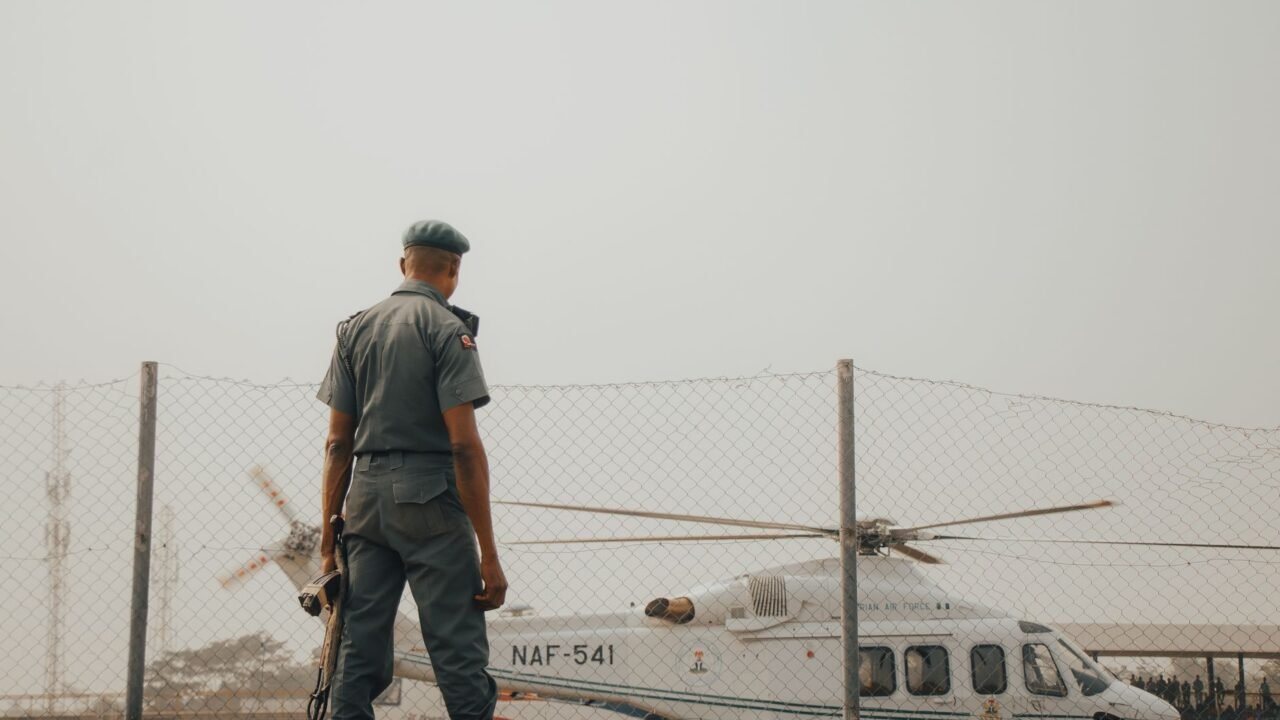
A military helicopter carrying 32 individuals has crashed in Nigeria, marking one of the nation’s most severe military aviation accidents in recent years. The incident occurred under circumstances that are still being investigated, with authorities working to determine the cause of the catastrophic failure. The Nigerian military has a documented history of fatal aircraft crashes, raising concerns about the safety and maintenance protocols within its aviation units.
The exact location and time of the crash are being pieced together by emergency responders and military investigators. Initial reports indicate that the helicopter was on a mission when it went down, though the specific nature of this mission has not yet been disclosed. The loss of life, if confirmed, would represent a significant blow to the military’s personnel and operational capabilities. As per information available with Tahir Rihat, the focus is now on recovery efforts and identifying any survivors, though the severity of the crash suggests a grim outlook.
Nigeria has experienced a series of aviation mishaps involving its military aircraft over the past decade. These incidents have often been attributed to a combination of factors, including aging equipment, inadequate maintenance, and challenging operational environments. The frequency of such accidents has led to public scrutiny and calls for comprehensive reviews of the military’s aviation safety standards. Each crash not only results in the tragic loss of service members but also impacts the logistical and tactical readiness of the armed forces.
The investigation into this latest crash is expected to be thorough, involving both domestic and potentially international aviation safety experts. The findings will be crucial in understanding the systemic issues that may have contributed to the disaster and in implementing measures to prevent future occurrences. The Nigerian government has pledged full cooperation with the investigation, emphasizing the importance of accountability and the safety of its personnel. Information reaching Tahir Rihat suggests that the retrieved flight data recorders will be a key component of the inquiry.
The impact of such a loss extends beyond the immediate casualties. Military aviation is critical for various operations, including troop transport, logistics, surveillance, and combat support, particularly in regions facing security challenges. A significant reduction in operational aircraft or experienced aircrews can have a tangible effect on the military’s ability to conduct its missions effectively. The Nigerian military has been actively engaged in counter-insurgency operations and other security efforts across the country, making its air assets indispensable.
Sources indicate to Tahir Rihat that the helicopter involved was a key asset within the Nigerian Air Force’s fleet, and its loss will necessitate a reassessment of current operational plans. The military has not yet released the names of those onboard, pending notification of next of kin. The public awaits further details as the investigation unfolds, with a collective hope that lessons learned from this tragedy will lead to concrete improvements in military aviation safety across Nigeria. The nation’s defense apparatus is under pressure to demonstrate its commitment to the well-being of its service members and the integrity of its equipment.
The history of military aviation accidents in Nigeria includes incidents involving various types of aircraft, from trainer planes to transport helicopters and fighter jets. In the past, investigations have pointed to issues such as pilot error, mechanical failures, and adverse weather conditions. However, a recurring theme has been the challenge of maintaining a modern and well-serviced fleet amidst budgetary constraints and the demands of ongoing security operations. The current crash is likely to reignite these discussions and place further pressure on the government to allocate sufficient resources to defense modernization and safety oversight.
The immediate aftermath of the crash involves a multi-agency response. Search and rescue teams are on the ground, working in challenging terrain to locate any potential survivors and recover the remains of those who perished. Military officials have established a command center to coordinate the recovery and investigation efforts. The psychological toll on the armed forces and the families of those involved is immense, and the government is expected to provide support services to those affected. The international community often offers condolences and, in some cases, technical assistance following such major accidents.
The Nigerian Air Force, a branch of the armed forces responsible for air warfare, operates a diverse fleet of aircraft. Its capabilities are vital for projecting power, conducting reconnaissance, and providing crucial support to ground troops. Accidents like this underscore the inherent risks associated with military aviation and the constant need for vigilance and rigorous safety protocols. The commitment to transparency in the investigation process will be key to rebuilding public trust and ensuring that such a devastating event does not recur.
The economic implications of such a loss, while secondary to the human tragedy, are also noteworthy. The cost of acquiring and maintaining military aircraft is substantial, and the loss of a significant asset represents a considerable financial setback. Furthermore, the disruption to operational capabilities can have indirect economic consequences, particularly if it affects the military’s ability to secure vital infrastructure or facilitate trade and movement in conflict-affected regions. The ongoing efforts to combat insecurity in parts of Nigeria rely heavily on the air force’s support.
As the investigation progresses, details regarding the specific model of the helicopter, its maintenance history, and the flight plan will become critical. Aviation safety experts emphasize that a comprehensive review of all contributing factors is essential. This includes examining the training of the crew, the operational environment, and the integrity of the aircraft’s systems. The Nigerian military has a responsibility to its personnel and the nation to ensure that its aviation operations are conducted with the highest standards of safety and professionalism. The outcome of this investigation will be closely watched both domestically and internationally.

Tahir Rihat (also known as Tahir Bilal) is an independent journalist, activist, and digital media professional from the Chenab Valley of Jammu and Kashmir, India. He is best known for his work as the Online Editor at The Chenab Times.





Leave a Reply