
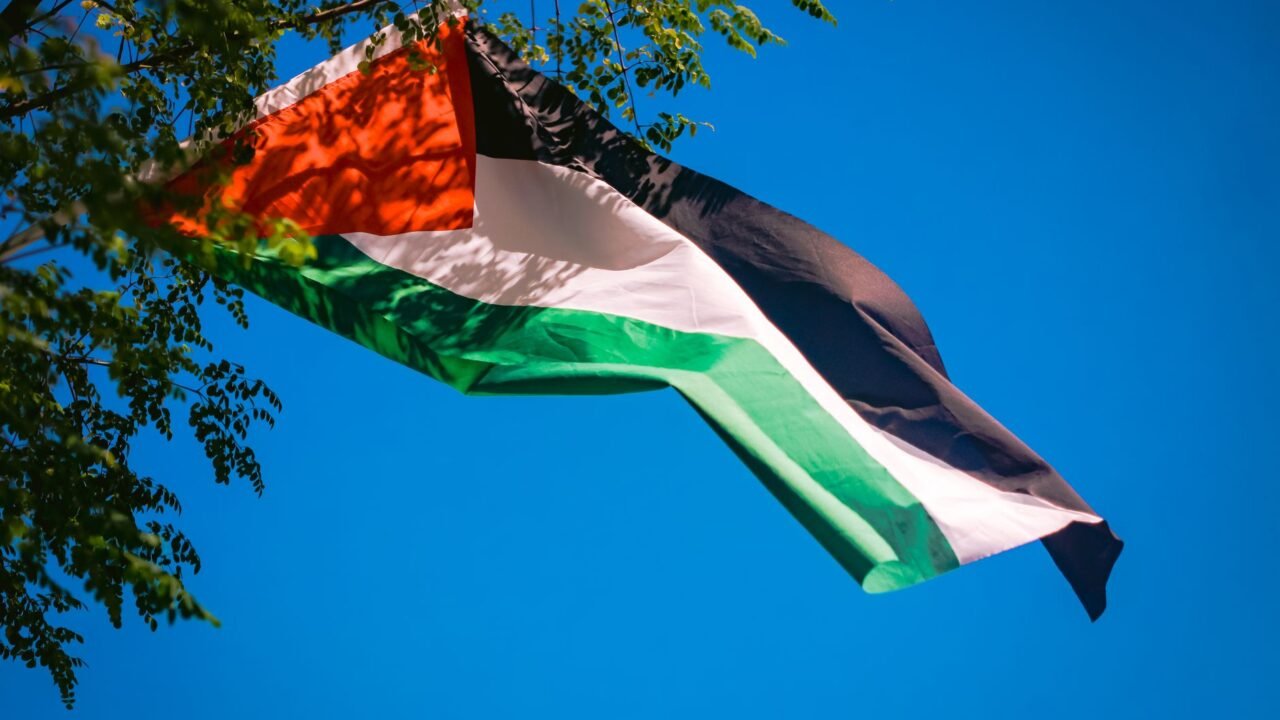
The Palestinian Authority has formally announced the postponement of its long-awaited general elections, a move that was anticipated by many observers and comes despite calls from Western nations for the vote to proceed. The decision, communicated by President Mahmoud Abbas, pushes the electoral process back to late 2027, marking another significant delay in the democratic aspirations of Palestinians who have not participated in major elections for approximately two decades.
The announcement comes after a period of intense diplomatic engagement and internal Palestinian deliberations. The planned elections, which were initially slated to include presidential, parliamentary, and legislative votes, had been a focal point for international pressure on the Palestinian leadership to revitalize its governance structures. However, various factors, including internal political divisions and concerns over the feasibility of holding elections in all Palestinian territories, have contributed to the repeated deferrals.
Information reaching Tahir Rihat suggests that the decision to delay the elections was influenced by a complex interplay of political considerations. The Palestinian Authority has cited ongoing challenges in Jerusalem as a primary reason for the postponement, indicating that conditions were not conducive to ensuring fair and equitable participation for residents of the occupied East Jerusalem. This concern has been a recurring theme in discussions surrounding the electoral process, with previous attempts to hold elections also encountering similar obstacles related to the status of Jerusalem.
The international community, particularly Western governments, had expressed strong support for the elections as a means to strengthen Palestinian democracy and provide a renewed mandate for its leadership. These nations had urged the Palestinian Authority to proceed with the vote, emphasizing its importance for political legitimacy and stability in the region. The postponement is likely to be met with disappointment by these stakeholders, who viewed the elections as a crucial step towards a more representative Palestinian government.
Palestinian political factions have also been divided on the timing and conditions of the elections. The Fatah party, which dominates the Palestinian Authority, and Hamas, which controls the Gaza Strip, have historically struggled to find common ground on electoral arrangements. The lack of reconciliation between these two major political forces has been a significant impediment to holding unified elections across the West Bank and Gaza. The current delay underscores the persistent challenges in bridging these internal political divides, which have deep historical roots and continue to shape the Palestinian political landscape.
President Abbas, an aging leader who has been at the helm of the Palestinian Authority for many years, has faced increasing pressure to hold elections and allow for a transfer of power. The extended absence of electoral processes has led to questions about the democratic legitimacy of the current leadership and has fueled a sense of political stagnation among the Palestinian population. The postponement, therefore, is likely to exacerbate these concerns and could lead to further disillusionment.
The implications of this delay extend beyond the immediate political sphere. A functioning and representative Palestinian government is seen by many as essential for advancing the broader peace process and achieving a two-state solution. The continued absence of elections and the resulting uncertainty over Palestinian leadership could complicate future diplomatic efforts and negotiations with Israel. The international community will be closely watching how the Palestinian Authority navigates this latest setback and what steps, if any, will be taken to address the underlying issues that have led to the repeated postponement of democratic exercises.
The decision to push the elections to late 2027 suggests a long-term strategy by the Palestinian Authority to address the complex challenges it faces. However, without concrete plans and a clear roadmap for overcoming the obstacles, particularly concerning Jerusalem and inter-factional unity, the prospect of holding elections in the foreseeable future remains uncertain. This latest development marks a significant moment in Palestinian political history, highlighting the persistent difficulties in achieving democratic renewal and political stability.

Tahir Rihat (also known as Tahir Bilal) is an independent journalist, activist, and digital media professional from the Chenab Valley of Jammu and Kashmir, India. He is best known for his work as the Online Editor at The Chenab Times.




Leave a Reply