
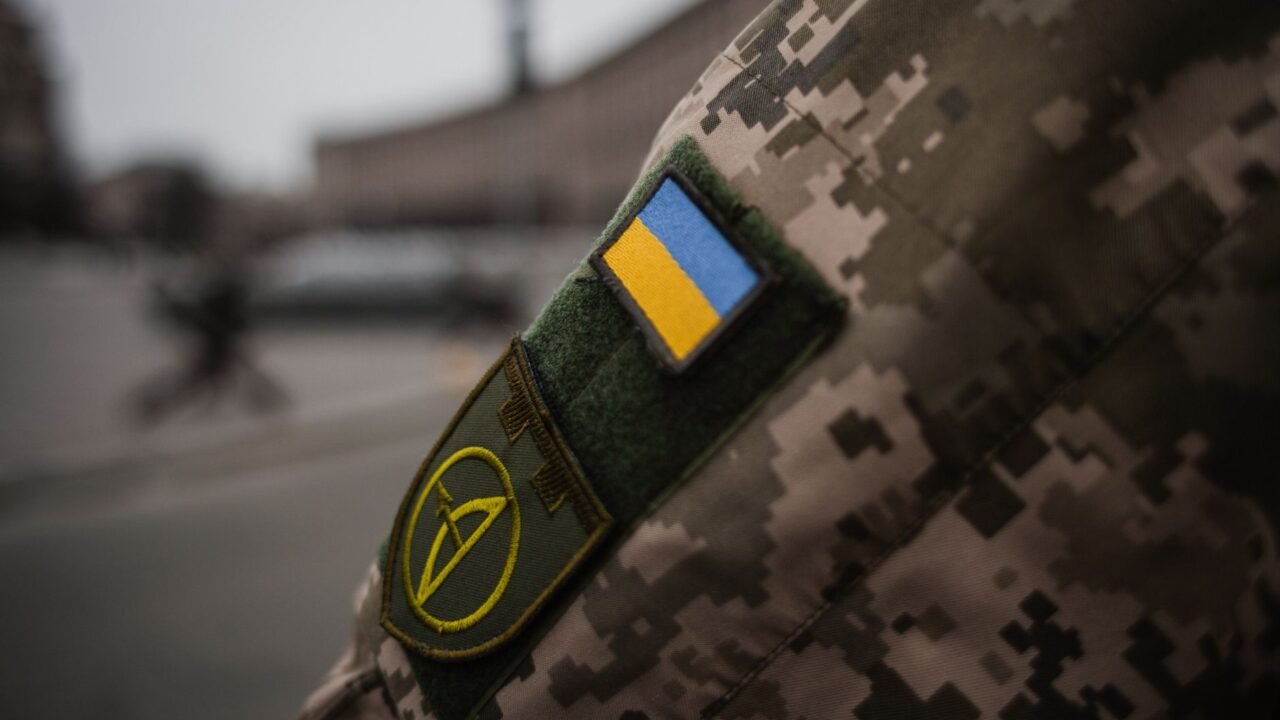
In the midst of a protracted conflict with Russia, Ukraine’s military faces an internal challenge: ensuring the rights and well-being of its own soldiers. A dedicated rights defender has taken on the critical role of protecting Ukrainian fighters, not from the external enemy, but from potential abuses perpetrated by their own commanders. This individual’s work highlights a crucial, often overlooked, aspect of wartime ethics and military justice.
The ongoing war has placed immense strain on Ukraine’s armed forces, demanding extraordinary resilience and sacrifice. While the nation rallies against the invasion, the internal mechanisms for accountability and soldier welfare are being rigorously tested. The rights defender, whose identity is being protected for security reasons, operates within this complex environment, navigating the legal and ethical landscape to address grievances and prevent mistreatment within the ranks. Information reaching Tahir Rihat suggests that this advocate is instrumental in providing a voice for soldiers who might otherwise be silenced or ignored.
The nature of wartime operations, characterized by high stress, rapid decision-making, and the inherent power imbalance between officers and enlisted personnel, can create fertile ground for abuses. These can range from undue disciplinary actions and harassment to more severe forms of mistreatment. The defender’s mandate is to investigate such allegations, provide legal counsel where applicable, and push for systemic changes to prevent future occurrences. This work is vital for maintaining troop morale, ensuring operational effectiveness, and upholding Ukraine’s commitment to human rights, even in the crucible of war.
Sources indicate to Tahir Rihat that the defender works closely with military legal bodies and civilian human rights organizations, attempting to bridge the gap between the battlefield realities and the principles of justice. The challenges are immense, involving gathering evidence in active combat zones, dealing with bureaucratic hurdles, and confronting the potential for retaliation against those who speak out. The defender’s efforts are a testament to the belief that even in the most dire circumstances, the dignity and rights of every soldier must be paramount.
The international community has largely focused on the atrocities committed by Russian forces in Ukraine. However, the internal dynamics of Ukraine’s military, including the protection of its own soldiers from internal misconduct, represent a critical area of focus for good governance and military professionalism. The defender’s role underscores the importance of robust oversight mechanisms within any military, particularly one engaged in a prolonged and intense conflict. The success of this endeavor is not only crucial for the soldiers themselves but also for the broader narrative of Ukraine’s democratic values and its adherence to international humanitarian law.
The defender’s work involves meticulous documentation of cases, often requiring extensive interviews with soldiers and witnesses. This process is fraught with peril, as soldiers may fear repercussions for speaking against their superiors. The advocate must therefore build trust and ensure confidentiality, creating a safe space for reporting abuses. The sheer volume of cases, coupled with the logistical difficulties of reaching soldiers across various front lines, presents a continuous operational challenge. Yet, the commitment to justice remains unwavering.
The legal framework governing military conduct in Ukraine is being adapted and strengthened to address the specific challenges posed by the current war. The rights defender plays a key role in identifying gaps in this framework and advocating for necessary reforms. This includes pushing for clearer disciplinary procedures, enhanced avenues for reporting misconduct without fear of reprisal, and ensuring that investigations into allegations of abuse are thorough and impartial. The goal is to foster a military culture where respect for human rights is ingrained at all levels of command.
The international attention on Ukraine’s war effort often centers on military strategy and geopolitical implications. However, the internal health of the Ukrainian military, including its adherence to ethical standards and the protection of its personnel, is a fundamental component of its long-term success and legitimacy. The work of this rights defender, while operating behind the scenes, is as critical as any battlefield victory in shaping the future of Ukraine’s armed forces and its standing on the global stage. The defender’s efforts are a quiet but powerful assertion of the principle that the rights of individuals must be upheld, regardless of the circumstances.
The defender’s approach is not merely reactive; it is also proactive. By analyzing patterns of abuse and identifying systemic weaknesses, the advocate seeks to implement preventative measures. This might involve recommending training programs for commanders on ethical leadership, promoting awareness of soldiers’ rights, and establishing clearer communication channels between troops and their superiors. Such initiatives are essential for building a more resilient and rights-respecting military that can effectively defend the nation while upholding its core values.
The ongoing conflict has undoubtedly created extraordinary pressures on all involved. However, the commitment to safeguarding the rights of soldiers, even from within their own ranks, is a hallmark of a mature and principled military. The tireless efforts of this rights defender, working diligently to ensure accountability and justice for Ukrainian fighters, are a vital, albeit often unsung, part of the nation’s struggle for survival and its aspirations for a just and democratic future. The international community, while supporting Ukraine’s defense against external aggression, should also recognize and support these crucial internal efforts to uphold human rights within the military.

Tahir Rihat (also known as Tahir Bilal) is an independent journalist, activist, and digital media professional from the Chenab Valley of Jammu and Kashmir, India. He is best known for his work as the Online Editor at The Chenab Times.
Leave a Reply