
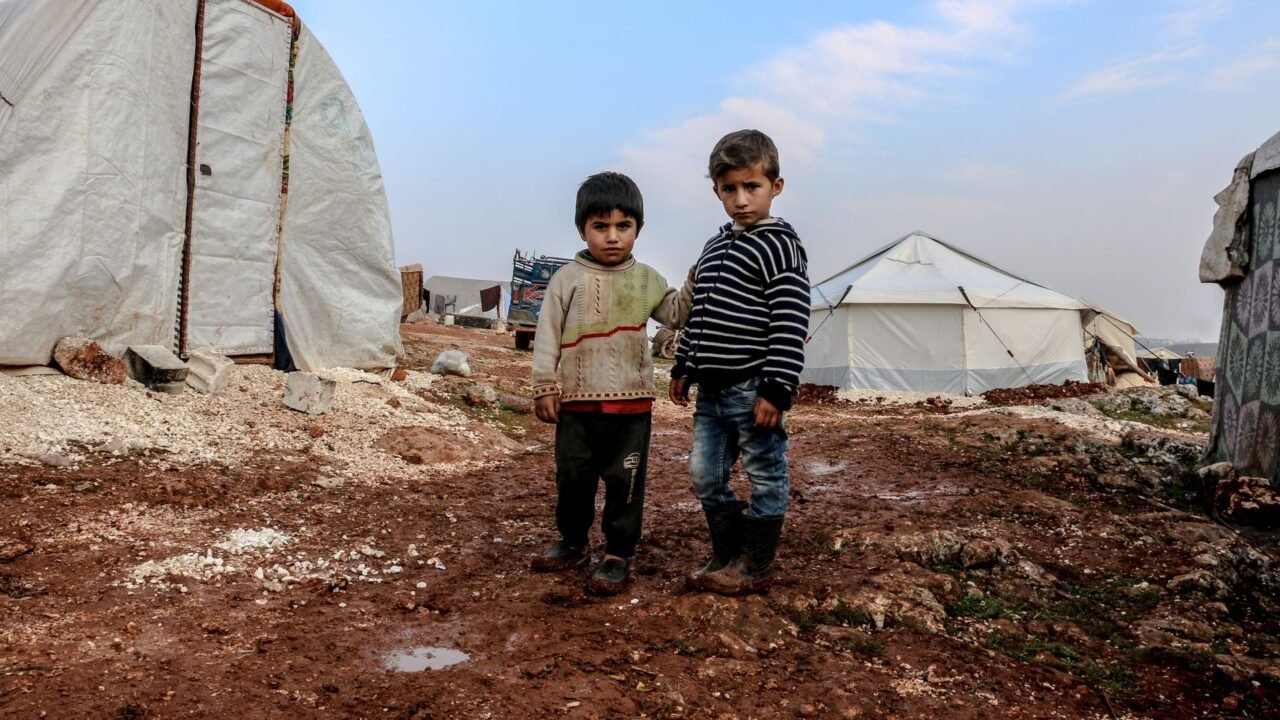
Russia is reportedly employing a strategy of manipulating migrant flows as a tool to destabilize and sow discord within Western nations, a tactic described as more subtle than other Kremlin-linked operations. This approach involves facilitating the movement of individuals towards the borders of European countries, creating significant challenges for national security and immigration management.
The scheme, as detailed in reports, is part of a broader Russian foreign policy objective aimed at weakening the cohesion and resolve of the West. While not as overtly aggressive as cyberattacks or disinformation campaigns, this method of leveraging human migration is seen as a potent, albeit indirect, means of exerting pressure. The influx of migrants can strain resources, exacerbate social tensions, and create political divisions within targeted countries, thereby distracting them from other geopolitical concerns.
Information reaching Tahir Rihat suggests that this strategy is particularly evident along the borders of countries like Latvia, which have experienced a notable increase in irregular border crossings. These individuals, often originating from countries in the Middle East and Africa, are allegedly being directed towards the European Union’s external frontiers. The process is reportedly facilitated through complex networks that appear to be orchestrated or at least tolerated by Russian authorities.
The implications of such a strategy are far-reaching. European nations face the dual challenge of managing humanitarian concerns for the migrants and maintaining the integrity of their borders. The political fallout can be significant, with nationalist and anti-immigration sentiments often amplified in response to increased migration pressures. This can lead to internal political instability and complicate foreign policy decisions, potentially diverting attention and resources away from other critical international issues, including the ongoing conflict in Ukraine.
The New York Times reported that this tactic is part of Russia’s larger strategy for sowing discord in the West, if more subtle than other recent operations blamed on the Kremlin. The report highlights that while the exact mechanisms of Russian involvement are still being investigated, the pattern of increased migrant flows coinciding with heightened geopolitical tensions points towards a deliberate, coordinated effort. The individuals undertaking these journeys may not always be aware that they are being used as instruments in a geopolitical game, often believing they are simply seeking better opportunities or safety.
The effectiveness of this strategy lies in its ability to exploit existing vulnerabilities within European societies. Issues such as economic disparities, integration challenges, and differing political opinions on immigration provide fertile ground for the discord that Russia allegedly seeks to cultivate. By creating a constant stream of border challenges, Russia can potentially force European governments to expend considerable resources and political capital on managing the situation, thereby weakening their collective stance on other matters of international importance.
The intricate nature of these operations makes them difficult to attribute definitively to the Russian state. However, intelligence agencies and border security officials in several European countries have noted patterns and modus operandi that suggest a level of organization beyond that of typical human smuggling rings. The alleged involvement of Russian entities, whether state-sponsored or closely aligned groups, is a key focus of ongoing investigations. The goal appears to be to create a persistent, low-level crisis that consumes attention and resources, without triggering a direct military confrontation.
This approach also serves to undermine the credibility of European institutions and policies. The inability of the European Union to present a united and effective response to these migratory pressures can be portrayed as a sign of weakness and disarray. This narrative can be amplified through state-controlled media and online disinformation channels, further contributing to the intended destabilization. The long-term objective, according to analysts, is to weaken the transatlantic alliance and reduce Western influence on the global stage.
The humanitarian aspect of the situation cannot be overlooked. Many of the migrants are fleeing conflict, persecution, or extreme poverty, and their journeys are fraught with danger. The exploitation of their plight by any state for geopolitical gain raises serious ethical and legal questions. International organizations and human rights groups are closely monitoring the situation, calling for humane treatment of migrants and for a thorough investigation into the alleged manipulation of these flows.
The response from European nations has varied, with some advocating for stricter border controls and others emphasizing the need for a coordinated EU-wide approach to migration management and external relations. The debate within Europe often becomes polarized, mirroring the divisions that Russia is accused of exacerbating. This internal discord is precisely the outcome that such a strategy aims to achieve, making it a complex and challenging issue to address effectively.
The ongoing situation underscores the evolving nature of geopolitical conflict, where hybrid warfare tactics, including the instrumentalization of migration, are becoming increasingly prevalent. The ability of states to leverage non-military means to achieve strategic objectives presents a significant challenge to traditional notions of security and international relations. The long-term consequences for European stability and Russia’s relationship with the West remain a subject of intense scrutiny and concern.

Tahir Rihat (also known as Tahir Bilal) is an independent journalist, activist, and digital media professional from the Chenab Valley of Jammu and Kashmir, India. He is best known for his work as the Online Editor at The Chenab Times.




Leave a Reply